





Technological developments have given parents and their adult children new options to support living at home longer in a safer environment. Devices and Internet-based solutions are available to keep an unobtrusive, high-tech eye on family members.
Services
- Electronic Home Monitoring Systems
- Appliance Alert Systems
- Stove and oven have automatic shutoffs
- Reports if normal routine e.g. coffee maker is not followed
- Personal Emergency Response Systems
- Portable telephone / cell phone
- Display phones for reading the callers conversation
- Touch-screen home monitoring systems
- Alarm systems bedside, in bathrooms, or throughout entire homes
- Medical alert
- Alert of a fall reminder for medications
Specialization
Look for individual vendors to have won specific safety awards for the design of their product.
Preparation
- Describe the situation at home with the loved one and major concerns:
- Daily routine
- Diagnosis of illnesses
- Medications
- Needs on a daily/weekly basis
- Describe the home itself and access to appliances; phone; television
Evaluation
Know the length of time company has been in business.
Review outstanding complaints with the BBB.
Understand requirements of the contract for the technology:
- What is the term
- How can I get out of the contract upon dysfunctionality or death
- What happens in case of flood or fire
- Have penalty fees defined
- Who owns the equipment?
Request your exact desire of technology for possibility of being referred to something better than what your calling about.

Home Monitoring Radio Show Segments
- CareBLOOM Brings Peace of Mind to Family Caregivers Through Smart Senior Monitoring Technology
For millions of families, one of the biggest questions isn’t whether an aging parent needs help—it’s whether they’re safe when no one is there. Adult children often worry about falls, changes in daily routines, missed medications, or whether Mom or Dad is quietly struggling alone at home.
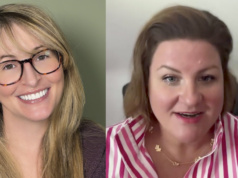
In this episode of Answers for Elders Radio, host Suzanne Newman welcomes Lindsay Friedman, Founder and CEO of CareBLOOM and LT Care NAV, along with Shannon Lyons, Chief Operating Officer of CareBLOOM. Together they discuss how technology is transforming the way families support older adults who are aging in place or living in senior communities. Rather than replacing caregivers, CareBLOOM is designed to give families greater peace of mind through continuous monitoring, real-time insights, and personalized support that helps older adults remain independent for as long as possible.
As America’s senior population continues to grow, innovative solutions like CareBLOOM are becoming valuable tools for family caregivers looking to balance safety, independence, and quality of life.
Helping Seniors Age Safely at Home with Smart Technology
Most older adults want to remain in their own homes for as long as possible. Aging in place provides familiarity, comfort, and independence, but it also presents challenges for family members who may live hours—or even states—away.
That’s where CareBLOOM fills an important gap.
Rather than functioning as a traditional emergency alert device, CareBLOOM combines a discreet smartwatch with strategically placed home sensors that work together to provide a more complete picture of an older adult’s daily activities.
The wearable doesn’t look like a medical device, which makes it much more appealing for seniors who prefer something that resembles an everyday watch. Behind the scenes, the technology tracks movement throughout the home while allowing authorized family members to monitor activity through an easy-to-use mobile app.
Instead of wondering whether Mom got out of bed, had breakfast, or has been unusually inactive all morning, caregivers can see meaningful activity updates that help them determine whether everything appears normal or whether it’s time to check in.
This type of monitoring provides reassurance without sacrificing independence.
Beyond Emergency Alerts: Monitoring Daily Activities That Matter
One of the most impressive aspects of CareBLOOM is its focus on everyday routines rather than only emergency situations.
The system provides indoor location tracking, allowing caregivers to know where a loved one is inside the home—not just whether they’re at home.
For example, if someone has remained in the basement for an unusually long period or hasn’t left the bedroom for several hours, family members receive information that may prompt a phone call or visit.
CareBLOOM also tracks important health and wellness indicators, including:
- Movement throughout the home
- Sleep patterns
- Step counts
- Bathroom activity
- Vital signs
- General daily routines
These activities—often called Activities of Daily Living (ADLs)—can reveal subtle changes in health before they become medical emergencies. If bathroom visits suddenly increase or decrease, mobility changes dramatically, or normal routines are interrupted, caregivers have valuable information that can help them respond sooner rather than later.
Rather than waiting for a crisis, families gain early insight into changing needs.
Technology That Supports Caregivers Instead of Replacing Them
Throughout the conversation, Suzanne Newman emphasizes an important point: there are no “one-size-fits-all” solutions in senior care. Every family has unique circumstances. Some older adults live independently. Others reside in assisted living or independent living communities. Still others require memory care or additional support due to chronic medical conditions. CareBLOOM is designed to adapt to those different environments.
Whether someone lives in a private home, a retirement community, or assisted living, the technology follows them and provides continuous monitoring that keeps loved ones informed.
Lindsay and Shannon also explain that CareBLOOM is just one piece of a much larger senior care ecosystem.
Working alongside services like LT Care NAV, local senior care advisors, healthcare providers, and caregivers, technology becomes another valuable resource that helps families make informed decisions instead of reacting during emergencies.
It truly takes a team approach to helping older adults age successfully.
Innovation That Could Help Shape the Future of Dementia Care
One of the most exciting updates shared during the episode involves CareBLOOM’s participation in clinical research. Shannon discusses how the company is beginning a clinical trial involving a treatable form of dementia that may be identified through movement monitoring.
While CareBLOOM was originally developed as a safety and caregiving platform, researchers recognized that the technology’s ability to monitor movement patterns could potentially contribute to earlier identification of certain neurological conditions. Although the clinical trial is still underway, it highlights how innovative technologies originally created for caregiving may also contribute to future medical research.
It’s another reminder that technology continues to evolve—not only to improve quality of life today but also to support better healthcare tomorrow.
Peace of Mind Is One of the Greatest Gifts Families Can Give
Caregiving often comes with uncertainty.
Adult children frequently wonder whether they’re doing enough, whether they’re missing warning signs, or whether their loved one is truly safe while living independently. Technology can’t replace family involvement. It can’t replace healthcare professionals. And it certainly can’t replace human connection. But it can provide valuable information that helps families make better decisions and respond more quickly when something changes.
As Suzanne, Lindsay, and Shannon explain, peace of mind isn’t just about knowing where someone is. It’s about helping older adults maintain their independence while giving families confidence that someone is always looking out for the people they love most.
Watch on YouTube
Listen at Apple Podcasts
Frequently Asked Questions
What is CareBLOOM?
CareBLOOM is a senior monitoring system that combines a discreet smartwatch with home sensors to help families monitor an older adult’s daily activities, location inside the home, vital signs, and overall wellness.
Who can benefit from CareBLOOM?
The system is designed for older adults aging in place, individuals living in independent or assisted living communities, and families who want additional peace of mind while supporting loved ones remotely.
What are Activities of Daily Living (ADLs)?
Activities of Daily Living include routine tasks such as walking, sleeping, toileting, dressing, bathing, eating, and other everyday activities that help caregivers understand a person’s overall health and level of independence.
Does CareBLOOM replace professional caregivers?
No. CareBLOOM is designed to support caregivers by providing useful information and monitoring. It complements professional care rather than replacing healthcare providers or family involvement.
Why is continuous monitoring important for seniors?
Changes in movement, sleep, bathroom habits, or daily routines can sometimes indicate emerging health concerns. Continuous monitoring helps families recognize those changes early so they can respond before small issues become larger problems.
As families navigate the challenges of caring for aging loved ones, having reliable information can make all the difference. Technologies like CareBLOOM offer an innovative way to bridge the distance between independence and safety, helping caregivers stay connected while allowing older adults to continue living with dignity. Combined with thoughtful care planning and trusted professional guidance, these tools represent an important step toward making aging in place safer, more confident, and more connected for everyone involved.
- Fall Prevention: Checking In, with Tracy Marcom
During Fall Prevention month, be a watchdog for your senior loved one. Tracy Marcom at Cascade In-Home Care asks: What is a family’s role to check in with their loved ones? Some are hands-off, and may not realize how their love ones are declining. If Mom or Dad don’t live nearby, they can put on a good front because they don’t want to burden their children. Have a service that can come in, even in the beginning, as an in-home care agency before you really need it, is a peace of mind both to your loved one and your family.
- Fall Prevention: Being a Watch Dog with Tracy Marcom
During Fall Prevention month, Regional Business Development Manager Tracy Marcom at Cascade In-Home Care suggests acting as a watchdog for your senior loved one. Some of the things we notice in the house are throw rugs on top of carpet, which is a huge tripping risk. Also, a rug in the bathroom should have a rubber bottom so it doesn’t lift up and cause a hazard. In-Home Care agencies are able to do non-medical in-home care, but we have a home health license, and we can do fall-and-risk assessments, wheelchair certification and have a nurse on duty. We can provide that fourth or fifth day of would care, but we wouldn’t do occupational therapy or physical therapy.
- Fall Prevention with Beth Deems
Beth Deems at Mission Health Care discusses fall prevention, one of the best things we as caregivers can do for our senior parents. And while it may not be possible to prevent all falls, mitigating that risk is so important. One in five falls results in a serious injury, such as broken bone or head injury, according to the Center for Disease Control.