





Artificial intelligence is becoming part of everyday life, but what does AI mean for older adults, caregivers and families navigating senior care?
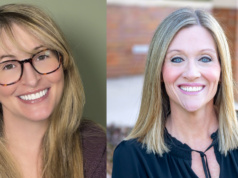
In this special two-part conversation on Answers for Elders Radio Network, host Suzanne Newman talks with Kim Elliott, Chief Clinical Advisor at Teton.AI, about how artificial intelligence and computer vision are changing the way senior care can be delivered. Kim brings more than 30 years of experience in senior care and clinical leadership to the conversation, giving her a unique perspective on how technology can complement — rather than replace — the human side of caregiving.
The discussion focuses on an especially important question for families: Can technology help older adults stay safer, healthier and independent longer?
The answer may be yes, particularly when AI is used to identify changes in an older adult’s normal patterns before those changes become emergencies.
AI in Senior Care: Moving From Fall Detection to Fall Prevention
Falls are one of the greatest safety concerns for older adults. A single fall can lead to a serious injury, hospitalization, loss of independence and, in some cases, a permanent change in a person’s living situation. That’s why Suzanne and Kim make an important distinction between fall detection and fall prevention.
Traditional fall detection technology is designed to recognize that a fall has already happened. That’s valuable, but by then the person may already be on the floor and injured. AI-powered monitoring offers another possibility: recognizing behaviors and circumstances that may indicate an increased risk of falling before the fall occurs.

Kim explains how Teton.AI uses ceiling-mounted sensors and computer vision to understand what is happening within an older adult’s room. Rather than requiring the person to wear a device, the system can continuously monitor movement and activity. Teton says its sensors can understand room activity in real time while processing information locally with privacy in mind.
One example discussed in the program is a walker or wheelchair that has been left out of reach. An older adult may wake up in the middle of the night and attempt to get out of bed. If their walker has been moved across the room, that simple distance can create a dangerous situation. An AI system can potentially recognize the risk and alert a caregiver before the person attempts to walk without the assistance they normally need.
That’s a significant shift in thinking: Instead of simply asking whether someone fell, caregivers can begin asking why that person might be at risk of falling in the first place. Teton currently describes its approach as proactive care, using patterns such as sleep, mobility, respiration and other signals to help care teams identify changes earlier.
Aging in Place and Senior Safety Technology
One of the biggest goals for many older adults is to remain in their own homes for as long as possible. But aging in place works best when safety and support evolve along with a person’s needs. Suzanne and Kim discuss how AI could become part of that safety net.
Consider an older adult who has always been independent. Their family may live several hours away and visit only occasionally. During those visits, Mom may seem perfectly fine. But between visits, subtle changes may be occurring. Perhaps she is getting up more frequently at night. Maybe she has become less steady when walking. She may be spending much more time sitting in a chair or in bed. Perhaps she is making more frequent trips to the bathroom or becoming unusually restless at night.
Individually, these changes might not seem significant. Taken together, however, they could indicate that something has changed. This is where continuous monitoring can potentially provide information that families simply cannot gather through occasional visits.
The goal isn’t to replace family involvement. Instead, it can give families and professional caregivers a clearer picture of what is happening between visits. Teton describes this type of monitoring as creating a deeper understanding of resident activity over time, including room-level information about sleep and mobility. That information can also help move senior care from reactive to proactive.
Instead of waiting for a fall, hospitalization or major health crisis, care teams may be able to recognize warning signs and determine whether an older adult needs additional support.
A safety net without a wearable
Another advantage discussed in the episode is that the technology doesn’t require an older adult to remember to wear or charge a device. Wearable technology can be extremely useful, but it isn’t always practical for every older adult. A person with memory impairment may forget to put on a smartwatch. Someone may remove it. The battery may run down.
Ambient monitoring takes a different approach. Teton says its system uses ceiling-mounted sensors rather than wearables and can operate continuously without requiring residents to manage a device. For some older adults, that simplicity could make technology much more practical.
Privacy and Dignity Matter in AI-Powered Senior Care
Of course, the idea of technology monitoring an older adult’s room raises an important question: What about privacy? For many families, the idea of a camera watching Mom or Dad 24 hours a day would be uncomfortable. Older adults deserve privacy, dignity and control over their own lives. That’s why the way monitoring technology works matters.
Teton describes its system as privacy-preserving. According to the company, processing occurs locally on the device, and the original image information is deleted after the relevant activity has been extracted. Care teams receive behavioral information rather than traditional continuous video footage.
The distinction is important. The purpose isn’t necessarily to have someone sitting in front of a screen watching an older adult. Instead, AI can analyze activity and surface information that requires attention. For example, a care team may need to know that a resident got out of bed and was walking without a mobility aid. They don’t necessarily need to watch everything that happened in the room throughout the night.
This approach also connects with one of the central themes of the conversation: technology should support human care, not eliminate it. AI can gather information continuously, but people still need to interpret that information, make decisions and provide compassionate care.
What Should Families Ask When Choosing a Senior Living Community?
Perhaps one of the most useful parts of Suzanne and Kim’s conversation is their discussion of what families should ask when touring senior living and memory care communities. Families often concentrate on what they can see: the dining room, activities, landscaping, apartments, décor and amenities. Those things matter.
But technology and care practices deserve attention, too. When evaluating a senior living community, consider asking: What technology do you use to improve resident safety?
Don’t be afraid to ask for specifics. Is the community using technology for emergency response, fall detection, fall prevention, sleep monitoring or other forms of resident monitoring? Is your technology designed to prevent falls or simply detect them?
This is one of the most important distinctions from the conversation. A system that alerts staff after a fall has value. A system that can potentially identify a dangerous transition before a fall occurs represents a different approach.
How do you protect residents’ privacy?
Ask whether the technology involves traditional video, anonymized monitoring or another approach. Families should understand exactly what information is collected, who can access it and how it is protected.
How does technology help your staff provide better care? The best technology should make care teams more informed and efficient — not simply add another stream of alerts.
What is your vision for the future? Technology is changing rapidly. A community’s willingness to evaluate and adopt useful innovations can tell families something about its broader approach to improving care.
Teton’s current platform, for example, has expanded beyond basic monitoring to provide care teams with tools for understanding sleep, mobility, incidents and other patterns. Its newer AI agent, Samwise, is designed to let care teams ask questions about monitoring data and receive answers more quickly.
For families, the larger lesson is simple: Don’t just tour the building. Ask how the community delivers care. The Future of Senior Care May Be Proactive, Personalized and Technology-Assisted
Toward the end of the conversation, Suzanne asks Kim to look five or ten years into the future. Kim envisions a world in which families can have greater confidence that someone is watching for meaningful changes in their loved one’s condition — whether that person lives at home, in an independent living apartment, assisted living or memory care.
That doesn’t mean replacing caregivers with machines. Instead, it means using technology to help human caregivers know where their attention is needed most. That’s particularly important as senior care organizations face staffing challenges and caregivers manage increasingly demanding workloads. Teton says its goal is to give frontline teams real-time information that can help them prioritize care and respond sooner.
The technology is also continuing to evolve. Teton’s current systems are designed to identify subtle changes in areas such as sleep and mobility and provide care teams with information that can support earlier intervention. For families, that could ultimately mean fewer emergencies, better communication with care providers and greater peace of mind.
AI isn’t a replacement for a daughter calling her mother, a caregiver holding a senior’s hand, or a nurse sitting down to listen to a resident. But it may become an increasingly powerful safety net around those human relationships.
And perhaps that’s the most important takeaway from this Answers for Elders conversation: The future of senior care isn’t necessarily about choosing between technology and human connection. It may be about using technology wisely so that the people providing care have better information, more time and more opportunities to focus on what older adults need most.
Watch on YouTube
Part 1. Preventing Falls: Smarter Ways for Aging in Place & Keeping Seniors Safer
Part 2. What Families Should Ask Senior Living Communities About AI
Listen on Apple Podcasts
Frequently Asked Questions About AI and Senior Care
Can artificial intelligence help prevent falls in older adults?
AI-powered monitoring can identify movement patterns and circumstances associated with fall risk, potentially allowing caregivers to intervene before a fall occurs. This differs from traditional fall detection, which primarily alerts caregivers after a fall has happened. Teton currently describes its technology as using AI to identify risk and support proactive interventions.
Does AI senior care technology require an older adult to wear a device?
Not necessarily. Teton’s ambient monitoring system uses ceiling-mounted sensors rather than requiring residents to wear a smartwatch or other wearable device.
Does AI monitoring mean someone is watching my parent on a camera?
Not necessarily. Teton says its system is designed around privacy-preserving processing, with information analyzed locally and image data deleted after analysis. Families considering any monitoring technology should ask the provider exactly what is captured, stored and shared.
What should I ask a senior living community about AI?
Ask what technology the community uses for resident safety, whether it supports fall prevention or only fall detection, how resident privacy is protected, what information is available to caregivers, and how the community plans to use technology to improve care in the future.
Can AI replace human caregivers?
No technology should be viewed as a substitute for compassionate human care. The more useful question is how AI can support caregivers by continuously gathering information, identifying meaningful changes and helping staff focus their attention where it is most needed. Teton describes its technology as a tool for frontline care teams rather than a replacement for them.
The future of senior care is changing — and families have an important role in making sure technology is used thoughtfully, safely and with older adults’ dignity at the center.