





For many older adults, their home represents much more than a place to live. It’s where memories were made, families were raised, and often it’s the largest financial asset they’ll ever own. But without careful planning, that same home can become the source of family conflict, unnecessary taxes, probate delays, and financial hardship.
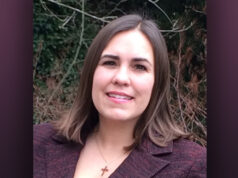
In this three-part episode of the Answers for Elders Radio Show, host Suzanne Newman welcomes Cory Boldhoff, a Certified Senior Real Estate Planner with The Complete Real Estate Group and Complete Senior Solutions, to discuss how seniors and their families can protect their homes, preserve generational wealth, and avoid many of the common pitfalls that occur when estate planning is overlooked.
Whether you’re planning for your own future or helping aging parents navigate these important decisions, this conversation offers practical guidance that could save your family years of stress.
Your Home Is More Than an Asset—It’s Part of Your Legacy
For many Americans, their home is their single largest asset. Yet many families spend years planning for retirement while giving very little thought to what will happen to that home if illness, disability, or death occurs. Cory explains that estate planning isn’t simply about deciding who receives your belongings after you’re gone. It’s about making sure you remain in control of your decisions while you’re alive and making life easier for those you love.
One of the biggest misconceptions he encounters is that estate planning is only necessary for wealthy families. ccording to Cory, that’s simply not true. Anyone over the age of 18 should have some form of estate plan, especially homeowners. Without one, families often find themselves navigating expensive legal processes, delayed access to assets, and difficult decisions during an already emotional time.
Planning ahead allows families to:

- Protect their home from unnecessary legal complications
- Clarify their wishes before a crisis occurs
- Reduce stress for loved ones
- Preserve more wealth for future generations
- Make healthcare and financial decisions easier if incapacity occurs
The earlier these conversations begin, the more options families typically have.
Why Waiting Can Create Bigger Problems
Suzanne points out that many seniors want to remain in their homes for as long as possible. In fact, most older adults prefer aging in place rather than moving into assisted living. But remaining safely at home often requires planning.
Cory says many homeowners also hope to downsize eventually but don’t know where to begin. Decades of accumulated belongings can feel overwhelming, leading many families to postpone difficult decisions. Unfortunately, delaying these conversations often shifts the burden onto adult children.
Instead of helping parents gradually declutter and organize over several years, families are frequently left sorting through entire households after a loved one has passed away. The emotional toll can be enormous. Adult children often spend months—or even years—trying to divide possessions, clean out homes, settle estates, and resolve disagreements while still grieving the loss of a parent.
Starting early allows seniors to make these decisions themselves instead of leaving them for someone else.
Understanding Probate—and Why Families Try to Avoid It
One of the biggest topics discussed during the series is probate. Many people have heard the word but don’t fully understand what it means. Probate is the legal process that settles a person’s estate after death—or, in some cases, during incapacity through conservatorship proceedings.
Cory explains that probate can be:
- Public
- Expensive
- Time-consuming
- Emotionally draining
Depending on the state, probate can take months—or even several years—to complete. During that time, creditors may file claims against the estate, courts oversee many decisions, and family members may have limited authority to sell or manage property.
One surprising fact many families don’t realize is that probate proceedings generally become public record. That means details about assets, debts, beneficiaries, and estate administration can often be viewed by others. For homeowners, probate can create additional challenges. Vacant homes often sit unused for months while legal proceedings continue.
Meanwhile, property taxes, insurance, maintenance, and mortgages continue accumulating. Without proper upkeep, homes may experience:
- Water damage
- Plumbing failures
- Mold
- Pest infestations
- Deferred maintenance
- Reduced market value
Planning ahead can often help families avoid many of these complications.
Why Trusts Matter
Throughout the conversation, Cory emphasizes that properly prepared trusts can provide significant advantages for many homeowners. A living trust can allow property to transfer more efficiently while helping families avoid many probate delays. However, he cautions that simply having a trust isn’t enough. It must be properly written, updated, and funded. He shares examples of families who believed they had everything in order only to discover important legal powers had been omitted from their documents. That can leave loved ones unable to sell property, refinance homes, or access needed funds for long-term care.
Cory also advises against relying solely on generic online legal templates for complex estate planning. Every family’s circumstances are different, making individualized professional guidance especially valuable.
Preventing Family Conflict Before It Starts
Perhaps the most powerful discussion in this series centers around family communication. Cory says that most inheritance disputes aren’t really about money. They’re about uncertainty. Questions quickly arise:
- Who gets the house?
- Should it be sold?
- Should someone keep living there?
- Who pays the expenses?
- What did Mom really want?
Without clear instructions, siblings often interpret situations differently. Even families that have always gotten along can find themselves divided. To help avoid this, Cory encourages what he calls a Family Feud Prevention Plan. Rather than waiting until after death, families meet together while parents are still healthy enough to explain their wishes. These conversations can include:
- Distribution of real estate
- Responsibilities of the executor or trustee
- Caregiving expectations
- Long-term housing plans
- Legacy goals
- Financial intentions
Open communication often prevents years of misunderstanding later.
Estate Planning Is About More Than Documents
Suzanne reminds listeners that protecting seniors also means protecting their quality of life today. Planning isn’t limited to wills and trusts. Families should also regularly evaluate whether an aging parent’s home remains safe. Cory recommends checking in several times each year to look for issues such as:
- Fall hazards
- Poor lighting
- Loose railings
- Slippery walkways
- Expired food
- Home maintenance concerns
- Signs of declining health or memory
Simple observations during routine visits can identify problems before they become emergencies. Sometimes these visits reveal that additional support—or even a different living arrangement—may improve both safety and independence.
Creating a Legacy Instead of Leaving a Burden
Perhaps the greatest takeaway from this three-part series is that estate planning isn’t really about legal paperwork.
It’s about love. It’s about removing uncertainty. It’s about protecting family relationships. It’s about making sure the people you care about spend their time remembering you—not arguing over paperwork, court filings, or property decisions.
Whether your estate is modest or substantial, thoughtful planning today can provide peace of mind for everyone tomorrow.
As Cory reminds listeners, the goal isn’t simply transferring wealth. It’s transferring your legacy exactly the way you intend.
Frequently Asked Questions
Is estate planning only for wealthy families?
No. Every adult should have a basic estate plan, especially homeowners. Proper planning can simplify healthcare decisions, financial management, and asset transfers regardless of estate size.
What is probate?
Probate is the legal process used to administer an estate after someone dies. It can involve validating wills, paying debts, distributing assets, and obtaining court approval for many financial decisions.
Can a trust help avoid probate?
In many situations, yes. A properly prepared and funded living trust may allow assets to transfer outside of probate. Because laws vary by state, it’s important to consult qualified legal professionals.
Why shouldn’t parents simply add their children to the title of their home?
Doing so can create unintended legal, tax, creditor, and ownership complications. Many estate planning professionals recommend exploring other options that better protect both parents and children.
When should families begin these conversations?
The best time is before a crisis occurs. Early planning provides more choices and allows seniors to communicate their wishes clearly while they’re able to do so.
Watch on YouTube
Listen on Apple Podcasts
Planning ahead may feel overwhelming, but taking even small steps today can spare your family significant stress in the future. As Suzanne Newman and Cory Boldhoff emphasize throughout this series, protecting your home is about more than preserving an asset—it’s about preserving your legacy, your independence, and the relationships that matter most.