




When you picture memory care for someone with Alzheimer’s or dementia, what comes to mind? For many families, it may be a large senior living building with a secured memory care wing, long hallways, common areas, and locked doors designed to keep residents safe. But what if memory care could feel less institutional and more like a neighborhood? What if safety could coexist with freedom, familiar routines, outdoor spaces, meaningful relationships, and a sense of purpose?
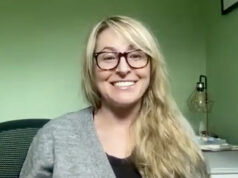
On this episode of North Star Leaders & Innovators from Answers for Elders, host and Answers for Elders founder Suzanne Newman talks with Forrest Stepnowski, Regional Executive Director at Vineyard Park Senior Living communities, about rethinking the way we care for people living with Alzheimer’s and other forms of dementia.
Their conversation begins with Vineyard Park’s cottage-style approach to memory care, but it quickly becomes a much larger discussion about what families should look for when choosing care for someone they love. From the physical environment and caregiver relationships to dementia behaviors, family involvement, Medicaid, senior living costs, and caregiver burnout, Suzanne and Forrest explore an important question: What does quality memory care really look like?
A Different Approach to Memory Care for Alzheimer’s and Dementia
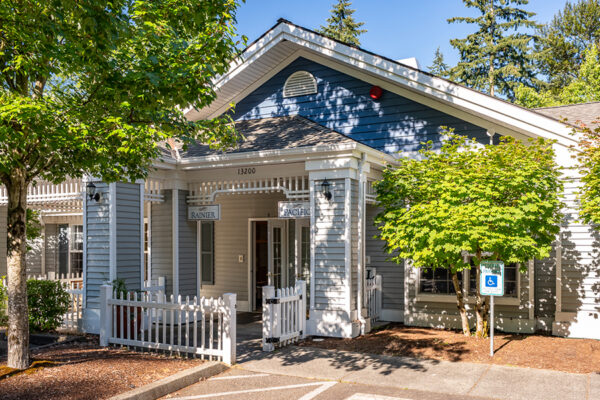
Vineyard Park’s memory care cottages were created to offer an alternative to the traditional large-building model. Rather than putting many residents together in one large memory care wing, the cottage approach creates smaller, more home-like settings. Residents can gather in familiar living spaces, safely spend time outdoors, visit neighboring cottages, participate in activities, and develop relationships with caregivers and other residents.
Forrest describes this as creating more of a neighborhood. That distinction can become especially important for someone experiencing cognitive decline. A person with dementia may already be struggling to understand where they are, what is happening around them, and what others are asking them to do. A large, busy or unfamiliar environment can add another layer of complexity. The smaller cottage setting is intended to provide safety while still allowing residents opportunities to move around and engage with their surroundings.
Even familiar household activities can have meaning. Suzanne recalls visiting one of the cottages and seeing residents folding towels. On the surface, it may seem like an ordinary chore. But for someone who spent decades caring for a home and family, folding laundry may represent something much more important: familiarity, contribution and purpose. As Forrest explains, good dementia care isn’t simply about doing things for someone. It is about being with them and meeting them where they are.

Dementia Wandering, Overstimulation and Behavior as Communication
One of the most interesting ideas in the conversation involves a word families commonly hear in dementia care: wandering. Forrest prefers another word: exploring.
Someone walking through a memory care community may appear to be wandering aimlessly. But what if there is a reason behind the movement? Perhaps that person believes they need to find a child. Maybe they’re looking for a garden because gardening was an important part of their life. Perhaps they’re trying to find something familiar but cannot explain what it is.
Instead of beginning with, “How do we stop this behavior?” caregivers can sometimes begin with another question: What might this person be trying to communicate? That philosophy carries into the discussion about agitation and other dementia-related behaviors.
Suzanne and Forrest discuss research concerning the physical environment and dementia, including evidence supporting smaller settings, home-like environments, wayfinding assistance, and access to gardens and outdoor spaces. They also ask listeners to imagine what overstimulation feels like even without cognitive impairment. Think about a packed store on Black Friday, a crowded event or an extremely loud room. Now imagine experiencing that environment while also having difficulty processing information or expressing why you are uncomfortable.
Creating quieter spaces and smaller groups can give caregivers more opportunities to understand the individual rather than simply react to a behavior. For families, this raises an important consideration when touring memory care: don’t only look at what the building looks like. Pay attention to what it might feel like to live there with dementia.
Choosing Memory Care: Look Beyond the Beautiful Lobby
Families naturally want the best for Mom or Dad. That can make beautiful senior living communities incredibly appealing. There may be chandeliers, fountains, elegant artwork, restaurant-style dining rooms and impressive amenities. But Suzanne and Forrest encourage families to look deeper. The person moving into the community isn’t going to live in the lobby. What will their everyday environment be like?
Watch what is happening around the residents. Are caregivers interacting with them? Are people participating in activities, or is there simply an impressive activity calendar hanging on the wall? Does the environment appear comfortable? What kind of attention are residents receiving? What is the food like? Do staff members seem to know the people they are caring for?
One story from the conversation illustrates what personalized care can look like. A resident named Jack loved Monte Cristo sandwiches. After learning this from his family, the community didn’t simply add the sandwich to the menu. It became “Jack’s Monte Cristo Sandwich,” accompanied by a themed celebration welcoming him into the community. The important part isn’t the sandwich. It’s what the story represents. Someone took the time to learn something about Jack. That kind of information can help turn an unfamiliar building into a place where a new resident feels recognized and included.
The same principle applies to assisted living. Suzanne recalls a woman whose daughter loved an elegant senior living community with formal dining. Her mother saw it differently. She wondered whether she would have to dress up every morning simply to come downstairs for cereal and coffee. Her daughter saw luxury. Her mother was asking, “Will this feel like home?” That is a question worth remembering whenever families tour senior living.
Senior Living Costs, Medicaid and Keeping Families Together
The extended conversation also addresses a fear many families carry quietly: What happens if Mom or Dad runs out of money? Long-term care can be expensive, and financial circumstances can change over the course of someone’s stay.
Forrest discusses Vineyard Park’s approach to continuity of care and its work with Medicaid, including circumstances in which residents who spend down their resources may be able to transition to Medicaid while remaining in a familiar community. Suzanne and Forrest also discuss the disruption that can occur when a person living with dementia has to move after becoming accustomed to a particular environment, routine and group of caregivers.
This makes financial planning an important part of evaluating senior living from the beginning. Families should ask what happens if a resident’s financial circumstances change rather than assuming today’s payment arrangement will remain possible indefinitely.
Another challenge arises when one spouse has dementia and the other does not. Vineyard Park’s Bonded Pairs and Cottage Lane approaches are discussed as ways some couples may be able to remain connected even though their care needs are different. In some settings, a spouse with dementia can receive specialized support during the day while the other spouse maintains greater independence. The goal isn’t only to support the person with dementia. It’s also to recognize the health and well-being of the husband, wife or partner who has been providing care.
Family caregivers often pour enormous amounts of physical and emotional energy into someone they love. Accepting help doesn’t have to mean giving up the relationship. Sometimes it can create space for a spouse to become a spouse again—or for an adult child to become a son or daughter again.
Watch on YouTube
Part 1. A Different Approach to Memory Care – Creating a Neighborhood, Not an Institution
Part 2. Dementia Wandering or Exploring? Balancing Safety and Independence
Part 3. How the Memory Care Environment Affects People With Dementia
Part 4. Choosing Memory Care – Red Flags Families Should Know
Part 5. Aftershow on YouTube – What Happens When the Money Runs Out in Senior Living?
Listen on Apple Podcasts
FAQ: Finding the Right Memory Care for an Aging Parent
What should I look for when touring a memory care community?
Look beyond appearance and amenities. Observe caregiver interactions, resident engagement, noise and stimulation levels, safety, activities, food, outdoor access, staffing continuity, and whether the environment seems designed around the needs of people with dementia.
Is a smaller memory care environment better?
Suzanne and Forrest discuss research associating smaller, home-like settings and thoughtfully designed physical environments with positive outcomes for people living with dementia. Every person’s needs are different, however, so families should evaluate the individual resident as well as the environment.
What questions should I ask about dementia behaviors?
Ask how caregivers respond to agitation, repetitive behaviors, attempts to leave an area, or what is often called wandering. Listen for whether staff members try to understand what the resident may be communicating and how they redirect or support the individual.
What should families ask about the cost of memory care?
Don’t only ask what care costs today. Ask how rates change as care needs increase, whether Medicaid is accepted, what happens after a resident spends down personal resources, and under what circumstances a resident could be required to move.
What if one spouse needs memory care and the other doesn’t?
Ask whether the community offers options that allow couples to remain close while receiving different levels of care. Some senior living campuses may offer independent living, assisted living and memory care on the same property or programs designed specifically for couples with differing needs.
How do I know when caring for someone with dementia at home is becoming too much?
One warning sign discussed in the episode is the need to provide nearly constant supervision to keep the person safe. Caregiver exhaustion and the caregiver’s own health should be part of the decision. Exploring additional support doesn’t mean a family member has stopped caring—it can be part of finding a safer, more sustainable way forward.