




Planning for the future often means thinking about wills, trusts, powers of attorney, healthcare directives and long-term care. But there is another important part of your life that families are increasingly being forced to confront: your digital legacy.
Today, our phones and computers hold an extraordinary amount of personal information. Family photographs, videos, email, financial accounts, social media, important documents, passwords and cherished memories may all exist digitally. Yet many people have never considered what happens to those assets if they die or become unable to manage them.
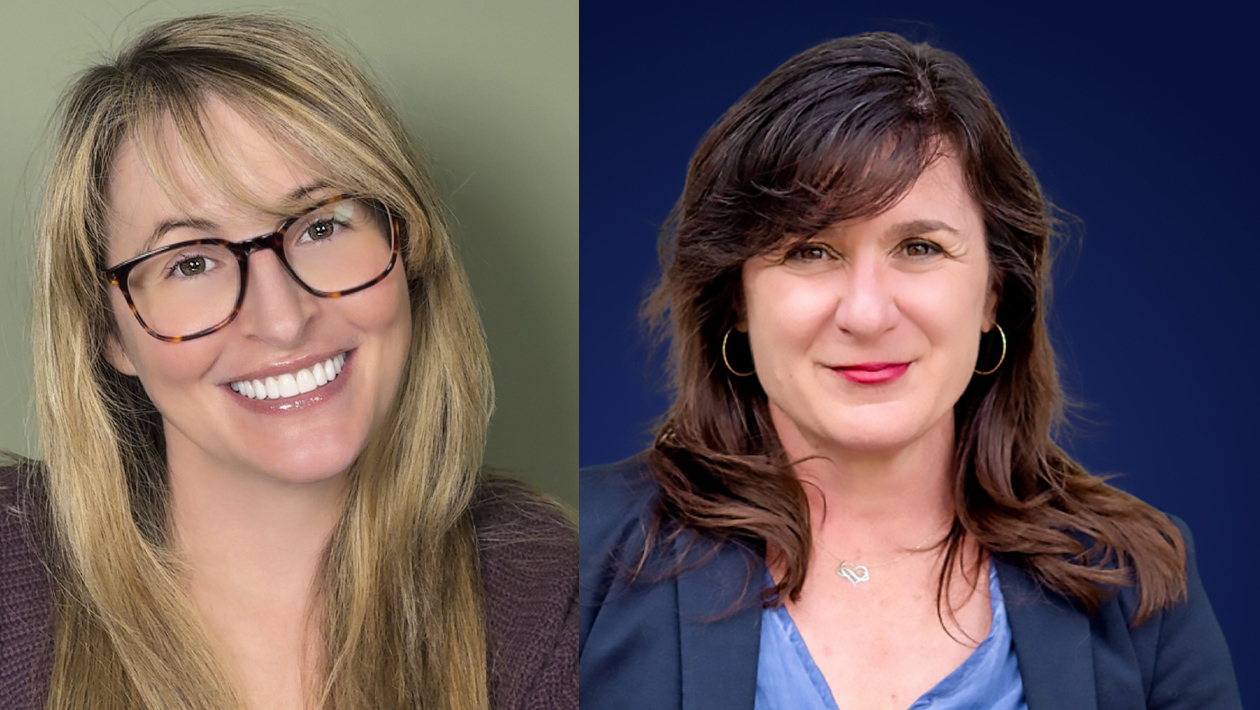
In this episode of Answers for Elders Radio, host Suzanne Newman is joined by Lindsay Friedman, founder and CEO of CareBLOOM and LT Care NAV, and Niki Weiss, a Digital Legacy Thanatologist and founder and CEO of ENDevo. Their conversation explores why digital legacy planning should become part of every family’s broader end-of-life and senior care planning.
What Is Digital Legacy Planning?
Niki Weiss describes her work through a simple philosophy: “live fully and die ready.” Rather than waiting until a death, diagnosis or family crisis occurs, she encourages people to begin planning while life is good.
The word “thanatology” comes from Thanatos, the Greek god of death. In this context, the concept isn’t about making death frightening or morbid. It is about recognizing that death is a natural part of being human—and preparing for it can make an enormous difference for the people left behind.
Traditional estate planning typically focuses on legal and financial matters. Families may create a will, establish a trust, name an executor and designate someone to make healthcare or financial decisions if they become incapacitated.

But our lives have changed.
We now have digital photographs instead of boxes of albums. Online banking instead of paper statements. Cloud storage instead of filing cabinets. Email instead of letters. Social media accounts instead of physical address books.
That means a comprehensive digital estate plan needs to address the digital side of our lives, too.
As Niki points out during the conversation, we are arguably the first generation to die with more digital assets than physical ones. Suzanne’s own experience illustrates just how extensive that digital footprint can become: she has hundreds of podcast episodes, hundreds of YouTube videos and countless photographs stored digitally.
For families, gaining access to those assets after a death can be much more complicated than simply knowing where the computer or phone is.
Why Caregivers Need to Think About Digital Assets
For an adult child caring for an aging parent, end-of-life planning can already feel overwhelming. A caregiver may be managing medications, doctor’s appointments, meals, transportation, personal care, finances and legal paperwork.
Then another problem appears: How do you access the information your loved one has stored online?
Passwords may be unknown. Accounts may require multi-factor authentication. Security procedures can change. Important information may exist only in email or on a phone.
This can become particularly difficult when someone has Alzheimer’s disease or another form of cognitive decline and can no longer reliably manage their own accounts.
Imagine a caregiver trying to handle a loved one’s affairs while simultaneously attempting to access Social Security information, banking accounts, email, cloud photographs or other online services. Even if the caregiver has legal authority to act, actually accessing digital accounts may present additional hurdles.
That’s why digital legacy planning should happen before a crisis.
The goal isn’t to give everyone access to everything. In fact, Niki emphasizes choosing people whom you know, love and trust. The goal is to make sure the right people have the information and tools they need when the time comes.
For adult children of aging parents, this is an important conversation to have with Mom or Dad. And it is equally important for caregivers to create their own digital legacy plans.
The iPhone Legacy Contact: One Step You Can Take Today
One of the most practical moments in the conversation involves Apple’s Legacy Contact feature. During the episode, Niki walks Suzanne through the process on her iPhone. The feature allows you to designate a trusted person who can access certain data stored in your Apple account after your death.
The process includes creating an access key. The person designated as your Legacy Contact will need that key along with a copy of your death certificate to request access to the account.
The feature can be particularly valuable because so much of modern life is stored in the cloud. Photos, videos, notes, documents and other personal information may represent an important part of someone’s life and legacy.
Suzanne discovers during the conversation that she hadn’t set up a Legacy Contact. Lindsay had also created a list of people she wanted to designate but hadn’t yet completed the process. By the end of the discussion, she takes the opportunity to do it.
That is an important lesson for everyone listening: making a plan isn’t the same as completing the plan. You can intend to organize your passwords, update your estate documents or designate trusted contacts for years. But until you actually put those plans into place, your family may still be left trying to figure everything out during a crisis.
If you’re an iPhone user, check your settings and explore the Legacy Contact option. If you’re an Android user, Niki also discusses Google’s Inactive Account Manager as another tool for planning what happens to your digital information.
The specific technology may change over time, but the larger principle remains the same: make sure someone you trust knows how to access the digital parts of your life when you can no longer do it yourself.
End-of-Life Planning Should Start Before a Crisis
One of the strongest themes in this Answers for Elders episode is the importance of proactive planning.
Families often begin thinking about end-of-life arrangements only after something happens: a diagnosis, a fall, a hospitalization, cognitive decline or the death of a spouse. By that point, everyone may already be under tremendous emotional pressure. Niki describes her approach as a wellness program rather than simply something that happens at the end of life. Ideally, these conversations should take place before a major life event occurs. That includes thinking about four broad areas: legal, financial, physical and digital planning.
For caregivers and families, that might mean identifying the people who will help, documenting important wishes, organizing important information and making sure trusted individuals understand what needs to happen.
Life changes can also mean that an existing plan needs to be revisited. A divorce, for example, may require someone to reconsider beneficiaries, powers of attorney, healthcare directives, executors and other important documents. Similarly, the death or incapacity of a person previously designated to help may require an immediate update. In other words, estate and legacy planning isn’t necessarily a one-time event. It should evolve as your life changes.
Create a Digital Legacy Plan Your Family Can Use
You don’t have to organize your entire digital life in one weekend. In fact, trying to do everything at once can make the process feel overwhelming.
Instead, start with a few practical questions:
- What digital accounts would my family need to access?
- Who should be responsible for managing my digital affairs?
- Does my trusted person know where to find important information?
- Have I established the appropriate legacy or inactive-account contacts?
- Are my powers of attorney and other legal documents current?
- What photographs, videos or other digital memories do I want preserved?
- What accounts or digital information should eventually be closed or deleted?
Most importantly, talk to the people you’ve chosen.
As Niki points out, someone receiving a notification that they have suddenly been designated as your digital legacy contact could understandably be confused. A simple conversation can explain what you’ve done and why you’ve chosen them. For aging parents, adult children can help start the conversation. For solo agers, professional support may be especially important. The purpose isn’t to dwell on death. It’s to reduce the administrative and emotional burden your loved ones may face later.
Planning ahead allows you to make decisions while you are healthy and able to communicate your wishes. It gives your family a roadmap instead of leaving them to solve a complicated puzzle during one of the most difficult periods of their lives. And ultimately, that is what living fully and dying ready is about.
Watch on YouTube
Listen on Apple Podcasts
Frequently Asked Questions About Digital Legacy Planning
What is a digital legacy?
A digital legacy is the collection of digital information, accounts, photographs, videos, documents, online profiles and other digital assets a person leaves behind. Digital legacy planning determines what should happen to those assets and who should be responsible for them.
Why is digital legacy planning important for seniors?
Seniors increasingly use smartphones, online banking, email, cloud storage, social media and other digital services. Without advance planning, family members may have difficulty accessing important information or preserving meaningful memories after a death or during incapacity.
What is an Apple Legacy Contact?
Apple’s Legacy Contact feature allows you to designate someone you trust to request access to certain data in your Apple account after your death. The designated person needs the access key created during setup and documentation such as a death certificate.
Should caregivers be included in digital legacy planning?
Yes. If a caregiver or adult child will be responsible for helping manage a loved one’s affairs, they should understand the person’s wishes and know where appropriate information and documentation can be found.
When should I start end-of-life and digital legacy planning?
The best time is before a major life event occurs. As this episode emphasizes, planning while life is good gives you the opportunity to make thoughtful decisions instead of forcing your family to figure everything out during a crisis.
Continue the conversation: Watch the full Answers for Elders episode above or listen to it on Apple Podcasts to hear Suzanne Newman, Lindsay Friedman and Niki Weiss discuss digital legacy planning, caregiving and what it means to truly “live fully and die ready.”