





Most people spend years preparing for retirement, healthcare needs, and financial security. Yet one of the most important parts of future planning often gets overlooked: end-of-life wishes.
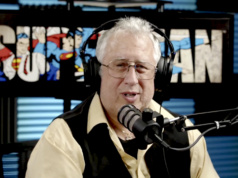
In this episode of the Answers for Elders Radio Show, host Suzanne Newman welcomes Lindsay Friedman and funeral pre-planning expert Carrie Grubanowitch for an eye-opening conversation about funeral planning, funeral trusts, and why documenting final wishes can save families from unnecessary stress, conflict, and financial hardship.
The discussion goes beyond funeral arrangements alone. It explores how funeral planning connects to caregiving, healthcare power of attorney, estate planning, Medicaid considerations, and family advocacy. For adult children caring for aging parents, this episode offers practical guidance on how to start difficult conversations before a crisis occurs.
Watch the Episode
Listen to the Podcast

Why Funeral Planning Matters More Than Most Families Realize
Many families avoid discussing death because the topic feels uncomfortable or overwhelming. Unfortunately, delaying these conversations often creates even greater challenges later.
As Suzanne Newman points out, funeral expenses continue to rise. For individuals currently in their 60s or 70s, funeral costs could potentially double by the time those services are needed. Without a plan in place, surviving family members are often left making expensive decisions during one of the most emotional periods of their lives.
The reality is that funeral planning is not about preparing for death—it is about protecting loved ones.
When final wishes are documented ahead of time, families gain clarity about:
- Burial versus cremation preferences
- Memorial service wishes
- Religious or cultural traditions
- Budget considerations
- Cemetery arrangements
- Family responsibilities
Perhaps most importantly, pre-planning allows individuals to maintain control over how they want to be remembered while reducing uncertainty for those left behind.
As Carrie explains, many seniors spend considerable time planning for assisted living, memory care, or long-term care needs but never consider how funeral expenses will ultimately be paid. When those funds are not set aside, the financial burden often falls directly on family members.
Understanding Funeral Trusts and How They Work
One of the key topics discussed in this episode is the role of funeral trusts in long-term planning.
A funeral trust is designed to set aside funds specifically for funeral and final expenses. Unlike pre-purchasing a specific funeral package from a funeral home, funeral trusts can offer greater flexibility and portability.
According to Carrie, one of the biggest advantages is that a funeral trust can move with you.
For example, someone may establish a trust while living in Wisconsin but later relocate to Florida, Arizona, or another state. The funds remain available regardless of where final arrangements eventually take place.
This flexibility is especially important for:
- Retirees who relocate
- Snowbirds who split time between states
- Families whose adult children move away
- Seniors who transition closer to family members later in life
Another benefit discussed is that funeral trusts are generally structured as funds designated specifically for final expenses rather than locking individuals into a specific funeral home or funeral package years in advance.
This allows people to adapt as circumstances, preferences, and family situations evolve.
The Emotional Cost of Not Documenting Final Wishes
One of the most memorable moments in the conversation comes when Suzanne shares a deeply personal story about her father.
Throughout his life, he repeatedly stated that he wanted the simplest and least expensive arrangements possible. He preferred cremation and did not want money spent on an elaborate funeral.
However, because those wishes were never formally documented, different decisions were ultimately made after his passing.
The result was a far more expensive funeral than he would have wanted.
This story highlights a common reality: families often make decisions based on their own emotions during grief rather than the wishes of the person who died.
Carrie explains that emotional overspending happens frequently after a loss.
Family members may feel guilty, overwhelmed, or concerned about “doing enough” to honor a loved one. As a result, they may spend significantly more than originally intended.
Without written guidance, survivors often face questions such as:
- What would Mom have wanted?
- Should we choose burial or cremation?
- How much should we spend?
- Who gets to make the decision?
- What if family members disagree?
Having these conversations beforehand helps eliminate uncertainty and prevents loved ones from carrying the weight of those decisions alone.
How Funeral Planning Connects to Estate Planning and Long-Term Care
One of the most valuable insights from this episode is that funeral planning should not happen in isolation.
Instead, it should be part of a broader aging and caregiving strategy.
Lindsay Friedman emphasizes that end-of-life planning is one piece of a larger framework that includes:
- Long-term care planning
- Healthcare power of attorney
- Financial power of attorney
- Estate planning
- Advance directives
- Caregiving support
These conversations often naturally connect to one another.
Carrie suggests that discussing healthcare power of attorney can be an effective starting point for families who feel uncomfortable talking about funeral wishes.
Questions such as:
- What medical interventions would you want?
- Who should speak on your behalf if you cannot communicate?
- What are your priorities for quality of life?
can gradually lead into discussions about final wishes and funeral preferences.
By approaching planning as a comprehensive process rather than a single difficult conversation, families often find it easier to begin.
The goal is not to focus on death. The goal is to ensure that personal wishes are known, documented, and respected.
Why These Conversations Are a Gift to Your Family
Many older adults hesitate to discuss funeral planning because they worry about upsetting their children.
Ironically, avoiding the conversation often creates greater stress later.
When a loved one passes away without a clear plan, surviving family members may face:
- Financial pressure
- Family disagreements
- Confusion about wishes
- Last-minute decisions
- Legal complications
- Emotional exhaustion
Having a plan provides peace of mind for everyone involved.
Suzanne shares how difficult it was to have these discussions with her mother, who preferred not to talk about death at all. Eventually, they sat down together, documented her wishes, and created a clear understanding of what she wanted.
That conversation became an act of love.
Instead of guessing, Suzanne was able to honor her mother’s preferences with confidence.
As Lindsay notes, planning ahead is one of the greatest gifts you can leave behind because it removes uncertainty from an already emotional time.
Families can focus on remembering and celebrating a loved one’s life rather than scrambling to make difficult decisions under pressure.
The Importance of Reviewing Your Wishes Over Time
Another important point raised in the discussion is that preferences can change.
Someone who initially prefers burial may later choose cremation. Religious practices may evolve. Family circumstances may shift.
Because of this, funeral planning should be reviewed periodically, just like estate planning documents and healthcare directives.
The best plans are flexible enough to adapt while still providing clear guidance to loved ones.
The key is not perfection.
The key is simply having a documented plan that reflects your current wishes and can be updated when necessary.
Frequently Asked Questions About Funeral Pre-Planning
What is a funeral trust?
A funeral trust is a financial arrangement that sets aside money specifically for funeral and final expenses. Depending on the structure, these funds may offer flexibility and portability if an individual relocates.
Why should I plan my funeral in advance?
Pre-planning helps ensure your wishes are honored while reducing stress, financial burden, and decision-making pressure on your family.
Can funeral planning help with Medicaid planning?
Carrie explains that funeral trusts are often treated differently from other assets because funeral expenses are considered a necessary future cost. Families should consult qualified elder law and financial professionals regarding their specific situation.
How do I start the conversation with my parents?
Many experts recommend beginning with healthcare power of attorney or advance care planning discussions. These conversations naturally lead into broader discussions about final wishes and funeral preferences.
Should funeral wishes be written down?
Absolutely. Verbal conversations are helpful, but written documentation greatly reduces confusion and family disagreements after a loved one’s passing.
The Bottom Line: A Plan Provides Clarity, Dignity, and Peace of Mind
Funeral planning may not be an easy topic, but it is one of the most meaningful acts of care we can provide for our families.
As Suzanne Newman, Lindsay Friedman, and Carrie Grubanowitch explain, taking time to document final wishes helps families avoid unnecessary stress, emotional overspending, and uncertainty during an already difficult season of life.
Whether you’re planning for yourself, helping aging parents, or navigating caregiving responsibilities, having a clear plan creates confidence and peace of mind.
Because in the end, funeral planning isn’t really about death—it’s about ensuring that the people you love have the guidance they need when they need it most.
Listen to this powerful episode of Answers for Elders Radio Show to learn how funeral pre-planning, funeral trusts, and thoughtful end-of-life preparation can help protect your family and honor your wishes for years to come.
Connect with Carrie Grubanowitch & U.S. Funeral Trust
- Website
- Via LTCareNav
- Call 414-745-7922 for your free funeral expense review
Connect with Lindsay Friedman