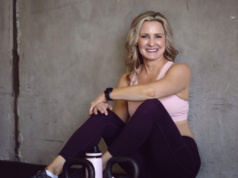






Numerous studies show that regular exercise helps slow the aging process, improve cardiovascular health, and reduce symptoms of numerous types of ailments like dementia, Alzheimer’s, heart, and lung diseases. Having a certified trainer for Mom and Dad can help them safely remain more vital, active, and socially engaged.
- Personal training can be done one-on-one or in a group.
- Trainers can work in a variety of settings, including in the home, at a gym, or at parks or community centers.
- Every trainer has a different style and background, and focus
- Fitness and exercise specialists can often provide guidance on issues of mobility, ergonomics, and pain relief.
Services
Fitness and exercise experts help seniors stay active and healthy as they age. These specialists tailor workouts to fit the unique needs of seniors. Personal trainers are used to increase:
- strength
- flexibility
- balance
- mobility
- weight loss
This may allow seniors to be more active and independent outside of fitness sessions.
Specialization
A variety of certifications are available to personal trainers, and do not ensure expertise in the field. Certification programs by the National Commission for Certifying Agencies (NCCA) are generally very reputable. Some trainers specialize in injury rehabilitation, and operate similar to physical therapists.
Preparation
- Know the type fitness and exercise expert you desire to find.
- Be specific about the personality type, first language, or gender of the person.
- Know the level of engagement the senior is displaying; excited or resident.
- Describe the kind of activities your senior enjoys.
- If your senior is recovering from illness, has the doctor recommended a specific exercise plan to follow?
Evaluation
- Understand what type of specialty the trainer has and what was required to get that certification, e.g. education and experience.
- Describe your clientele; exclusively with senior clients?
- Look for CPR and First Aid certified personnel.
- Know the costs for special needs.
- Request referrals from previous clients.
- If an exercise facility is to be used; check the equipment safety adequacy and accessibility.
Health & Wellness Articles
- Modern Caregiving, Modern Wellness - Caregiving has changed dramatically across generations—and today’s women over 40 are leading a new kind of caregiving revolution. Vivatude hosts Tracy Cromwell and Anu Arora join Suzanne for a candid conversation about how caregiving looks different for Baby Boomers, Generation X, and Generation Y. Together, they explore how women in the “sandwich generation” are balancing family, career, and the care of aging loved ones—all while trying to maintain their own physical, social, and occupational wellness. …Read More
- Heart Disease: How New Tech Can Save Lives - Mark Goddard, Vice President of Clinical Services at InfoBionic.ai, joins Suzanne to talk about how technology is evolving to save lives when it comes to atrial fibrillation, cardiovascular disease, and coronary heart disease. …Read More
- Wellness for Women Over 40: Strength, Self-Care & Vivatude - Women over 40: ready to reduce stress and boost your strength? In this episode, Tracy Cromwell joins Suzanne Newman on Answers for Elders Radio to to talk about some greaet episodes she will be making about physical wellness and environmental wellness with tips that anyone can start today. Topics focus on nutrition, building strength even when you can't get to the gym, organizational tips, and improving your surrounds to create a space that better supports you emotionally. These shows will help women in midlife — especially family caregivers — feel more energized, balanced, and supported. …Read More
- Boost Your Energy & Reduce Stress - Women over 40: ready to boost your strength and reduce stress? In this episode, Tracy Cromwell joins Suzanne Newman on Answers for Elders Radio to share simple tips for physical wellness and environmental wellness that anyone can start today. From hydration and movement breaks to clutter-clearing and creating supportive spaces, Tracy shows how small daily changes can help women in midlife — especially family caregivers — feel more energized, balanced, and supported. …Read More
- Wellness That Works for Women Over 40 - Suzanne Newman welcomes Tracy Cromwell, one of four new Vivatude hosts, who brings her expertise in physical and environmental wellness. Vivatude is a new YouTube show for women over 40 seeking strength, inspiration, and balance while navigating midlife, caregiving, and personal wellness. In this episode of the Answers for Elders Radio Show, Tracy discusses crafting a space that supports you in whatever state that your body might be. For instance, her daughter created a reading room, her sanctuary where she can disconnect. Little things can make a big difference. …Read More
- Wellness Secrets: Stronger at 40+ - Discover Vivatude, a new YouTube show for women over 40 seeking strength, inspiration, and balance while navigating midlife, caregiving, and personal wellness. In this episode of the Answers for Elders Radio Show, host Suzanne Newman welcomes Tracy Cromwell, one of four new Vivatude hosts, who brings her expertise in physical and environmental wellness. Together, they discuss finding your “Inner Spark,” overcoming the challenges of caring for aging parents while managing work and family, and how the Eight Foundational Principles of Wellness can help women thrive in their next chapter. If you’re ready to reclaim your energy, prioritize self-care, and create… …Read More
- New Show for Women Over 40: Thrive in Midlife with Vivatude - For the upcoming YouTube channel and podcast Vivatude, new hosts Lauren Archer and Kate Phillips join Suzanne Newman on the Answers for Elders Radio Show to talk about the types of programming they aim to share. …Read More
- Inspiration Life Tips From Vivatude Hosts - What are the two top tips for thriving after 40? In this inspiring episode of Vivatude, hosts Lauren Archer (emotional & spiritual wellness) and Kate Phillips (financial & occupational wellness) join Suzanne Newman on the Answers for Elders Radio Show to share practical tools for women navigating caregiving, midlife transitions, and personal reinvention. …Read More
- Emotion vs Intellect: Finding Joy and Prosperity - Hosts Lauren Archer and Kate Phillips join Suzanne Newman on the Answers for Elders Radio Show to talk about the new YouTube channel and podcast called Vivatude. What is Vivatude? A Movement. A Mindset. A Media Revolution. The show delves deep into the 8 Pillars of wellbeing — from emotional strength to financial freedom, from spiritual clarity to vibrant health. The show unites women over 40, expert hosts, and soul-nourishing conversations to help you live with more vitality, purpose, and power. …Read More
- Paths to Fulfillment and Purpose: Vivatude - Discover Vivatude, a groundbreaking movement and media platform designed to help women over 40 reclaim purpose, vitality, and freedom in every stage of life. In this inspiring conversation, hosts Lauren Archer (emotional and spiritual wellness) and Kate Phillips (financial and occupational wellness) join Suzanne Newman on the Answers for Elders Radio Show to introduce the Vivatude YouTube channel and podcast. …Read More
- Wildfire Smoke? Bad Air? How to Minimize Impact - Air quality for everyone is huge, even more so as we get older. Aging in Place specialist Paul Kocharhook, the CEO of Pathway Design & Construction, joins Suzanne Newman on the Answers for Elders Radio Show to talk about air quality, this other aspect of making a home safer. He also explains what it means for an expert to be designated as an Aging in Place specialist. …Read More
- Strategies and Breath Work for Calming Our Nervous System - Bonnie Brindle, The Anxiety Avenger, joins Suzanne Newman on the Answers for Elders Radio Show to talk about strategies to reduce anxiety. This segment focuses on coping with grief, "tire-swinging seniors,” and essential support for caregivers. …Read More
- Self-Care: 5 Top Tips - The Anxiety Avenger, Bonnie Brindle, joins Suzanne Newman on the Answers for Elders Radio Show share her top five tips for self-care. As she explains, "You can't be anxious and grateful at the same time." Also, "Respond [to triggers] by backing off... Flight attendants tell you, put your mask on first. It makes sense everywhere in life, your mask goes on first." …Read More
- Senior Living Transitions: The Crazy-Making Emotional Rollercoaster - The Anxiety Avenger, Bonnie Brindle, joins Suzanne Newman on the Answers for Elders Radio Show to talk about the rollercoaster of emotions brought about for seniors facing senior living transitions. She identifies signs that your senior loved one is in need of assistance, such as cleanliness changes, dizziness, feeling sluggish, and avoiding contact. Then she provides advice on how to approach a conversation with your loved one about their anxiety. …Read More
- The Anxiety Avenger - Bonnie Brindle joins Suzanne Newman on the Answers for Elders Radio Show to talk about how to recognize and reduce our anxiety. She explains why she calls herself The Anxiety Avenger, and how that informs her work. She shares about recognizing anxiety in its many forms: anger, frustration, withdrawal, and depression. With a heart for healing and a toolkit full of transformational strategies, Bonnie Brindle shares her personal journey from anxious to empowered—and how she’s now guiding seniors and caregivers to do the same. As a psychotherapist, author, educator, and international speaker, Bonnie has helped countless people find calm in… …Read More
- Can You Sit & Stand 5 Times in Less Than 10 Seconds? - Award-winning, nationally recognized physical therapist J Kele Murdin joins Suzanne Newman on the Answers for Elders Radio Show to talk about some assessments that she does to test older people for their risk of having a fall. One in every five senior falls results in a serious injury, such as a broken bone, or head trauma, or a broken hip. Avoiding falls is paramount. …Read More
- How to Move More, Sit Less for Health - Fall prevention gets started by us all keeping ourself in better health as we age. Want top three ways to start getting yourself into optimal aging? Award-winning, nationally recognized physical therapist J Kele Murdin joins Suzanne Newman on the Answers for Elders Radio Show to share her top tips to start small and build. …Read More
- Aging Optimally? How to Tell - How do you know if you're aging optimally? J Kele Murdin, an award-winning, nationally recognized physical therapist, joins Suzanne Newman on the Answers for Elders Radio Show to talk about how to tell if you are aging optimally. …Read More
- Personalized Fall Prevention Programs - About one in every four adult older adults aged 65 and over fall every year, and this translates to over 36 million falls in the United States annually among among seniors. Falls are one thing, but one in every five results in a serious injury, such as a broken bone, or head trauma, or a broken hip. Hip fractures alone cause over 300,000 hospitalized patients every year in the USA, and they are followed by a decline in physical function, independence, and even mortality. Award-winning, nationally recognized physical therapist J Kele Murdin joins Suzanne Newman on the Answers for Elders… …Read More
- Being Mindful of Our Health as We Age - "We're not talking about major life changes, just ways of being a little more mindful of what we do for our health." Wellness and fitness coach Kelly Fennelly joins Suzanne on the Answers for Elders Radio Show to talk about taking care of our health as we age. …Read More
Health & Wellness Radio Show Segments
- Creative Aging for Seniors
Suzanne Newman welcomes the SilverKite team of Jennifer Kulik (founder and CEO), McKenzie Wilson (Intergenerational & Community Program Manager), and Mollia Jensen (Creative Aging Program Manager) on the Answers for Elders podcast, hosted by Chateau Pacific in Lynnwood, Washington. SilverKite helps older adults stay creative, connected, and confident with engaging creative aging programs, intergenerational arts experiences, and professional development for senior-serving organizations. These programs are designed to help older adults tap into their creativity, maintain cognitive and emotional vitality, and build meaningful social connections—key components of healthy aging.

Jen says, “When I was three years old, my mother caught me in my room with two dolls, one named Purple and one named Orange, and they were talking to each other, and I had voices for both of them. So my mother decided to enroll me in theater classes at the local community college. When I got to middle school, I started having health problems. I lost my hair and I also was having a really hard time digesting food, so I lost a lot of weight. I was very thin and bald at age 11. [She was diagnosed with alopecia universalis.] So if you can imagine, that was a very difficult time in my life. I was bullied quite extensively during my middle school years and into high school. But during all of that time, I kept going to theater classes, I kept acting, I kept going there, and I was part of a community there that helped me to regain my confidence and my self-esteem. And it was a very powerful thing for me.
“So when I went off to college and started thinking about how the heck did I make it through this really difficult time, I realized that it was the arts. That was the thing that kept me going and helped me to recover myself during that difficult time. What can I do to help others who may be having a similar kind of thing happen to them? And so thus began my career in arts education and arts engagement. And I fell into intergenerational programs in 1999 when I was working on my master’s degree, and a colleague and I were creating a curriculum for fourth and fifth graders about immigration that was social science and theater combined. And my colleague said, why don’t we bring in some older adults from the community into the classroom to share their stories with the students about their immigration experience? And so we did that. And when I first saw this connection happening between these older adults and the youth, and was reminding myself about the great relationship I had with my own grandparents, it opened up a new door to me in thinking about how the arts can be a service to people and the community at large. So that is how I got started.”
Mollia adds, “Jen’s story inspired me to understand my own even more, which is that I think I was born with a superpower that I didn’t know I had, but I just did it, which is whenever life brought obstacles, I turned to the arts, and they just ended up being the healing arts. But they were always just the arts. And the arts are sort of like a portal I could always enter. And still to this day, that’s what I’m doing, to be able to work at an organization that is always inviting people to create opportunities for people to enter that portal. Because what I’ve noticed about depression and loneliness in my own journey, and in others near to me, is sometimes it’s as simple as a very small perspective shift, whether that stepping outside or whether that saying yes to come to an activity or a program, and then you’re just in a whole new world. You’re sitting at a table with people you didn’t think you would be. You’re on an outing. And I know that sometimes getting from here to there is is challenging for some individuals. But we’re here to say say yes, come to the programs.”
For the past 30+ years Jennifer Kulik has designed and facilitated intergenerational arts, arts for youth, and arts for older adults programs for retirement communities, schools, theatre companies, and social service organizations. Jen holds a Ph.D. in Theatre for Young Audiences from Arizona State University and an M.Ed. in Curriculum & Instruction from the University of Washington. In 2012, she was awarded a Fulbright Distinguished Award in Teaching fellowship to travel to Singapore. She received the Joseph F. Wall Service Award from Grinnell College in 2018. Jen presents at conferences worldwide.
McKenzie Wilson is a Seattle-based artist originally from North Carolina. She is dedicated to creating innovative, inspiring, and engaging projects that bring people together. With over 10 years of directing, writing, and performance experience across the country, Mckenzie delights in exploring and uplifting the vibrant cultures, communities, and stories around her, infusing her work with a playful spirit and a sense of wonder. Their work draws on the power of innovative storytelling and devised performance, inviting curiosity and discovery, with the intention to build authentic connection. She is always happy to connect — especially about creative pursuits, outdoor exploration, cats, and reality TV. She holds a BA in Dramatic Art and Communication from the University of North Carolina at Chapel Hill.
Mollia Jensen has been a teaching artist for over 30 years. With roots in the theatre and wings in dance and writing, her path has engaged in leading programming with several arts, educational, community organizations and local creative classes. Mollia loves sharing moments of alchemy with others whether in a creative coaching session, in written words on the page, playing with swirling watercolors, or on the dance floor. She has an MFA in Writing from Pacific University.
Chateau Retirement provides independent living, assisted living, and memory care services. They have been locally owned and family operated for more than 25 years. Chateau Retirement has three communities in Washington’s Seattle/Puget Sound area: Chateau Pacific in Lynnwood, Bothell Landing in Bothell, and Chateau Valley Center in Renton. Visit them online or call 800.960.1944. Visit Chateau’s specialist page on AFE.
Connect with SilverKite
Watch on YouTube
Listen on Apple Podcasts
- Heart Disease: How New Tech Can Save Lives
Mark Goddard, Vice President of Clinical Services at InfoBionic.ai, joins Suzanne to talk about how technology is evolving to save lives when it comes to atrial fibrillation, cardiovascular disease, and coronary heart disease.
Mark explains, “Atrial fibrillation causes blood clots to form. And those blood clots can transmit through your body and wind up in your head or your lungs or your heart or your extremities. So atrial fibrillation needs to be well understood. The symptoms need to be discussed, especially with elderly patients who aren’t as necessarily active and may not have the same symptoms as someone who is active would have related to fibrillation. People need to understand the impact and relevance of such an arrhythmia.”
Mark adds, “Artificial intelligence is making a big change. Our first AI algorithm approved by the FDA and we’re going to deploy on our system is one that will tell the medical practitioner whether the heart pumping function is normal or not normal. If the normal amount of blood is being injected out of their heart with every heartbeat, it’ll say, okay, we’re good. If it’s not, it’ll let the practitioner know that things aren’t good, and that’s associated with heart failure. So it’s a great tool that will be able to be used with an EKG that’s a bit of a game changer, and it will be deployed in the next six months.”
On good hearth health practices, Mark adds, “It’ll make a big difference in the way you feel. We always want to feel as good as we possibly can and do as much as we can. Follow the traditional suggestions related to diet, don’t eat foods with lots of preservatives within them.
“Hydration is critical. It’s a whole other subject, because the concentration of what they call electrolytes within your body is critical in maintaining normal heart rhythm. Having electrolytes that are completely out of balance quite often causes arrhythmias that are far more lethal than atrial fibrillation, ones that can create a bad scenario within a few seconds, not a few hours or days.
“Making sure your blood pressure is maintained appropriately, your blood sugar is okay, making sure your lipids are good too. You don’t want anything going on that’s going to change the structure of your heart. And if it does, then you wind up with [the potential for] arrhythmias.”
Learn more about InfoBionic’s AI-enabled MoMe ARC remote heart monitoring device which sends data in near real time to the cloud for review at https://InfoBionic.ai.
Watch on YouTube
Listen on Apple Podcasts
- Why You Shouldn’t Wait to Move Into Senior Living
Thinking about senior living for yourself or a loved one? In this inspiring episode of Answers for Elders, host Suzanne Newman sits down with Chateau Bothell Landing resident Erica Wolfkill. From her journey as a child immigrating from Germany after World War II to her decision to move into senior living at age 80, Erica shares powerful life lessons about resilience, family, and the importance of embracing community before it’s too late.
Erica offers heartfelt advice for older adults and their adult children: don’t wait until you’re too old or unable to fully participate in life before moving into a retirement community. She explains how her daughters encouraged her to make the move while she was still active, giving her the opportunity to enjoy rich friendships, engaging activities, and peace of mind for the future. Erica’s story highlights the benefits of senior living communities that provide not only independence today but also access to assisted living and memory care services down the road.
If you or your aging parent are starting to explore retirement communities, this conversation is a must-watch. Discover what life is really like at Chateau Retirement Communities, hear Erica’s first-hand experience about daily activities, dining, and staff support, and learn why planning early can lead to a more fulfilling lifestyle. Whether you’re an adult child looking for the best options for your parents, or a senior exploring your next chapter, Erica’s journey will give you insight, encouragement, and hope for the future.
Chateau Retirement provides independent living, assisted living, and memory care services. They have been locally owned and family operated for more than 25 years. Chateau Retirement has three communities in Washington’s Seattle/Puget Sound area: Chateau Pacific in Lynnwood, Bothell Landing in Bothell, and Chateau Valley Center in Renton. Visit them online or call 800.960.1944. Visit Chateau’s specialist page on Answers for Elders.
- Can You Sit & Stand 5 Times in Less Than 10 Seconds?
Award-winning, nationally recognized physical therapist J Kele Murdin joins Suzanne Newman on the Answers for Elders Radio Show to talk about some assessments that she does to test older people for their risk of having a fall. One in every five senior falls results in a serious injury, such as a broken bone, or head trauma, or a broken hip. Avoiding falls is paramount.
Kele says, “I want to share a few assessments that we do, because I think they are light bulb moments for people who’ve never really stopped to think about what’s putting them at risk. And as a physical therapist, that this is the kind of thing we do all the time. When I have a patient come in to be assessed for falls, these are the kinds of tests that I would do, and also what you should be able to do.
“[Sit] in a chair, stand up and sit down with without using your hands five times in less than 10 seconds. If it takes you more than 10 seconds to stand up and sit down five times, that’s indicative of weakness, or some kind of impairment in your legs that’s increasing your risk of falling. The prescription for that would be, do that. Keep working on sits and stands, because it’s such a functionally critical movement. That would be the exercise.
“I would say there’s a lot of folks that can’t stand up without their hands, and — especially as we get older — that’s fairly common. So for those folks, I would have them do their sit-stand on the arm of the couch, because it’s usually a little higher, right? It’s not 18 inches. It might be 24. Or from the edge of their bed if it’s higher. And now from a higher surface, I can do a stand without using my hands. And that’s where you would do your exercises.”
Kele specializes in fall prevention and caring for older adults. She is the founder of Murdin Therapy LLC and Group Otago. Reach her at Murdin Therapy or call 425-306-0502. Groupotago.com offers group fall prevention exercise programs and has a ton of information.
Check out our affiliate podcast Alzheimer’s Speaks.
- How to Move More, Sit Less for Health
Fall prevention gets started by us all keeping ourself in better health as we age. Want top three ways to start getting yourself into optimal aging? Award-winning, nationally recognized physical therapist J Kele Murdin joins Suzanne Newman on the Answers for Elders Radio Show to share her top tips to start small and build.
1. nutrition (hydration, protein, eating enough calories during the day, diet, etc)
2. move more, sit less (aerobic strength and balance)
3. carving out the time, reserving time for exercise (and what does that look like for you, do things that bring you joy or keep you interested)Kele says, “Move more, that’s the basic premise of what you’re trying to do. And in that movement, let’s think about aerobic activity. Sustained movement over time. That’s what aerobics exercise is, strengthening, doing something to build muscle tone, because muscle atrophy is a real thing as we get older, we have to combat that. And balance. What are you doing to stress your balance? Like something to at least narrow your base of support. Narrow your feet and challenge yourself a little bit. So move more, sit less, with those three areas of exercise.”
Kele specializes in fall prevention and caring for older adults. She is the founder of Murdin Therapy LLC and Group Otago. Reach her at Murdin Therapy or call 425-306-0502. Groupotago.com offers group fall prevention exercise programs and has a ton of information.
Check out our affiliate podcast Alzheimer’s Speaks.
- Aging Optimally? How to Tell
How do you know if you’re aging optimally? J Kele Murdin, an award-winning, nationally recognized physical therapist, joins Suzanne Newman on the Answers for Elders Radio Show to talk about how to tell if you are aging optimally.
Kele says, “I think this is such a common question for older adults. On the physical therapy world, we have a lot of tools to measure things. So if I wanted to look at your posture, I could ask you to stand against the wall. Can you get your head against the wall with your heels, against the wall and your bottom in your head? You should be able to touch. Do you have an extension in your upper back? Touch your head. And if you can’t, that puts you at risk for fractures in your spine. That there are all these tools and measures we can do as a physical therapist that can measure posture, flexibility, endurance, things like that.”
Suzanne says, “I invested this year in an Apple Watch, one of the best things I ever did, because, how often does it say it’s time to get up? Because I get wrapped up in my work, or I’m sitting too long, and I find if I’m sitting too long, I stand up and I’m not moving as well. I’m not doing it as well. If it says it’s time to stand, I don’t care what I’m doing, even if I’m watching a movie, I can press pause, get up and walk around the house, and then come back and sit down. It’s that awareness piece. We’re passionate about the work that we do and we don’t realize two hours or whatever [have passed]. And so little devices like these watches are so helpful.”
Kele adds, “How much activity do we need to be doing to keep it running smoothly? Well, at least 30 minutes, five days a week of moderate exercise. So when we talk about aerobic exercise, it’s like a six out of ten on the scale. You should be able to talk, but it should take some effort. You wouldn’t be able to sing at that effort level. I think that level of intensity is what’s missed. You know, my aunt takes her dog out, who’s thought to go to the bathroom 15 times in her 15 minute walk. And that’s not hard enough. That’s not enough to get her heart to get stronger. It should feel like exercise and it should be intentional exercise. Subtle things, like how long, how hard, I think really makes a difference in people’s awareness and understanding of what optimal aging could look like.”
Suzanne asks, “What if somebody has arthritis, and can’t necessarily get up and walk fast [for exercise]?
Kele answers, “So, walking is too much weight-bearing. What can we do that can get my heart going that isn’t going to stress my joints as much? The first thing comes to mind is the pool. Do you have access to a pool? It takes a lot of the weight bearing off. Then what about a non-weight-bearing activity? Biking, recumbent bike, the gym, something like that, or a little step machine, when you’re sitting down, or an elliptical device. I came come up with ideas on how can I take out the joint pain… So that’s how the teamwork works together. We find what you like, because it needs to be something that you enjoy because you get to do it a lot.”
Kele specializes in fall prevention and caring for older adults. She is the founder of Murdin Therapy LLC and Group Otago. Reach her at Murdin Therapy or call 425-306-0502. Groupotago.com offers group fall prevention exercise programs and has a ton of information.
Check out our affiliate podcast Alzheimer’s Speaks.
- Being Mindful of Our Health as We Age
“We’re not talking about major life changes, just ways of being a little more mindful of what we do for our health.” Wellness and fitness coach Kelly Fennelly joins Suzanne on the Answers for Elders Radio Show to talk about taking care of our health as we age.
For some issues, particularly when recovering from falls, talk to your doctor. There are services out there, that is home health, that Medicare actually pays for. You can have physical therapists come into your home, or an occupational therapist, and for a limited period of time, get on a program to regain strength.
Kelly does in-person and Zoom coaching for those looking for sustainable health goals, with personalized coaching for individual body and lifestyle goals. She is an ACE Senior Fitness Specialist and ACE Health Coach. Check out her website.
Check out our affiliate podcast Alzheimer’s Speaks.
- Kelly’s Top 3 Ways to Improve Health
Wellness and fitness coach Kelly Fennelly joins Suzanne on the Answers for Elders Radio Show to share her best ways to improve our health as we age.
- Movement. Move daily. Water exercise is great if you have arthritis.
- Protein. Have eggs in the morning, add white beans to a shake, or have a yogurt shake.
- Balance. Kelly suggests some simple ways to improve balance.
Kelly does in-person and Zoom coaching for those looking for sustainable health goals, with personalized coaching for individual body and lifestyle goals. She is an ACE Senior Fitness Specialist and ACE Health Coach. Check out her website.
Check out our affiliate podcast Alzheimer’s Speaks.
- Movement For Better Living
Healthy living as we age means moving. Fitness and wellness coach Kelly Fennelly joins Suzanne on the Answers for Elders Radio Show to talk about how to keep moving. Suzanne shared this quote from Dick Van Dyke quote: “At 30, I used to exercise to look good. At the age of 50, I would exercise to be fit. At 70, not to be padded to a bed. And at 80, to be able to live without assistance. And now at 99, I do it purely out of defiance.”
Kelly talks about balance, exercise, movement, diet, and being healthier as we age. Kelly says, “I have one client, I’m trying to get him to walk [more]. He’s 84. He does a little bit of walking on the golf course, but there’s a cart. So what I did was leaned into walking the dog so many times the during the day and during the week… And when his wife takes the dog out, then he will do certain a certain amount of time just walking through the house. So we got it. So it doesn’t have to be on a treadmill outside necessarily. It. It just has to be moving.”
Kelly does in-person and Zoom coaching for those looking for sustainable health goals, with personalized coaching for individual body and lifestyle goals. She is an ACE Senior Fitness Specialist and ACE Health Coach. Check out her website.
Check out our affiliate podcast Alzheimer’s Speaks.
- Getting More Protein As We Age
Fitness and wellness coach Kelly Fennelly joins Suzanne on the Answers for Elders Radio Show to talk about changes that happen to our bodies as we age, and what to do about it to keep ourselves healthy. What do you eat? How do you move? What kind of exercises do you do?
The discussion turns to eating more protein. Suzanne had read that a 150-pound woman over the age of 65 should divide their weight by three to compute that she needs to eat 50 grams of protein per day. Keely says, “Some of the the research that I’ve seen, it’s even greater than that. They’re saying, possibly, 30 grams per meal. So then that would be 90 per day. It is a little struggle for some, because if they’re not doing breakfast, or or however your meal schedule is, it can be challenging.”
Kelly provides some recommendations for various ways to incorporate that much protein into our daily meals.
Kelly does in-person and Zoom coaching for those looking for sustainable health goals, with personalized coaching for individual body and lifestyle goals. She is an ACE Senior Fitness Specialist and ACE Health Coach. Check out her website.
Check out our affiliate podcast Alzheimer’s Speaks.
- Technology for Good, for Connections
Senior Care Finder‘s CEO and Co-Founder Christie Stukenholtz joins Suzanne Newman on the Answers for Elders Radio Show to talk about how is technology changing the way for families to connect. She also shares advice on what to look for on other websites to make sure you’re getting impartial information, or not getting sent to a call center where your contact information will be be shared.
Christie says, “By 2030, all Baby Boomers will be of retirement age or older, and that’s about 73 million people. And about 70% of them will end up needing some sort of care. And I will tell you that the industry as a whole is not prepared for this level of demand. Thinking about home care, that’s very much something that many, many people are considering these days. And there are tremendous, amazing technologies that leverage AI, and different things that allow people to stay at home longer.
“We leverage AI on our platform Senior Care Finder to really help guide someone through the process. It’s more than just selecting a community, or finding a home care agency that can you or your loved one. It’s everything else that goes with that process. If someone has to move, what do I do with their stuff? How do I manage their finances? There’s so many questions. And so we want to be that place that you can land, take a deep breath, and at least feel confident in your next decision, and know you have technology and tools that are aiding you in that process.
“One of the things we talked about is really being in control of your search and feeling confident of the resources that you have, in their transparency, and all of that good stuff. As I think about tips that I would give people as they’re searching, if you get to a site and the first thing you have to do is give all of your contact information, press pause. They’re going to do something with that information. And so just be aware of that. If you get to a site where it looks like a directory site, but suddenly you start to notice that the phone number on every single listing is exactly the same, pause. Think about what that might mean. They’re going to fail to filter you to a call center and probably leverage your information in your experience to a lot of communities that weren’t relevant. Have your antenna up and listen to your gut, that that is important, and we want to be a resource that’s non-biased and transparent, meeting the consumer where they’re at, and in holding their hand through the process.”
Check out the Senior Care Finder website.
Senior living communities and senior care providers can claim their free listing.
Check out our affiliate podcast Alzheimer’s Speaks.
- Top Tips to Find a Community or Care for Mom
Trying to find care or a senior living community for a senior loved one? Senior Care Finder‘s CEO and Co-Founder Christie Stukenholtz joins Suzanne Newman on the Answers for Elders Radio Show to share her top tips.
Listen in as she explains:
- Start the conversation sooner than you think.
- Use a platform like Senior Care Finder to do your research, even anonymously.
- Many want to stay at home. Start thinking about what that option would look like.
- Go with your gut when you’re interviewing people.
Check out the Senior Care Finder website.
Senior living communities and senior care providers can claim their free listing.
Check out our affiliate podcast Alzheimer’s Speaks.
- One Place To Research the Right Choices for Mom
If you’re in that process of later life care, or caring for a senior loved one, this is a very important conversation. Senior Care Finder‘s CEO and Co-Founder Christie Stukenholtz talks with Suzanne Newman on the Answers for Elders Radio Show about the first steps families should take when they come upon a crisis about their loved one.
Christie says, “I’m from Lincoln, Nebraska… With my grandmother being in Washington state, or my grandpa now being in San Antonio, Texas, a platform like Senior Care Finder can help. Using and leveraging those virtual tours, looking and reading at consumer reviews, those help you. And a site like Senior Care Finder can also give you the tools to be able to narrow down your search, find the top priorities that your loved one needs, and then also arm you with those questions to ask.”
“My first piece of advice is, if you don’t think you need to have the conversation, it’s the perfect time to start the conversation. Because nobody wants to be a burden. But people have wishes and they have desires of how they would like to spend their days, and that matters. As soon as you can start the conversation, the better. But secondly, really understanding, what are their non-negotiables? What are their most important things, that if nothing else matters – they need a place that’s pet friendly, or they need a place that is in close distance to family so that they can come visit, or they need a private room. Something is at the top of that list. And so having that conversation will help you research, and do the navigating, will help you prioritize and get really clear on what places might be the best fit.”
Check out the Senior Care Finder website.
Senior living communities and senior care providers can claim their free listing.
Check out our affiliate podcast Alzheimer’s Speaks.
- Turning Big Decisions Into Simpler Choices
Senior Care Finder‘s CEO and Co-Founder Christie Stukenholtz shares her personal story with Suzanne Newman on the Answers for Elders Radio Show. Suzanne recalls that she needed a resource like this years ago to help her make the right decisions for her mom.
Christie says, “My first interaction with senior care and searching for options was for my grandmother, who lived in Washington state. I lived in Nebraska, and my dad called and informed me that she could no longer live independently at home, and asked if I could be helpful in figuring out where she could go next. And quite frankly, my husband, Heath, worked in the senior living industry. I was pretty savvy. I was a smart researcher. I did not think it would be very hard. So I confidently said yes, and quickly had a rude awakening of how hard that process was.
“We were fortunate to get on a plane and rent a car, and drive around to a number of different communities, and tour them – many of which did not look anything like the few pictures I found online – and ultimately found a great place for her. But on that flight home in 2015, I told Heath, this cannot possibly be the experience that everyone is going through. Not even a place to see a comprehensive list of my results, or really understand the differences of care types, or how you pay for it. It’s a big, confusing world… And if I can’t be the one to care for my mom or my grandma, it’s a really, really big deal who that person is, or community is. And so I really felt a pull to to jump in and do something about it.”
Christie adds, “Now, consumers, in my opinion, are much more educated, because they’re doing research on their own right. And they want to learn and gather information, and they don’t want to be sold to. And we really study the behavior of that person, and try to meet them where they’re at. So that’s really the need that Senior Care Finder is trying to fill, is being a place that people can go take a deep breath and really start educating themselves, and start that process that so many times can feel very overwhelming.”
Check out the Senior Care Finder website.
Senior living communities and senior care providers can claim their free listing.
Check out our affiliate podcast Alzheimer’s Speaks.
- Seniors: Exercise to Earn Money for Grandkids’ College
Silver Sneakers is the only fitness program that provides financial rewards for staying fit. Members can grow a college fund for a loved one. So even if a senior is on a fixed income, they can actually provide money for a grandchild’s college tuition. It’s a great motivator to get exercising — people will often do for others what they won’t do for themselves.
Jan Sheeley explains, “When they go to either a gym or take an online class seven times a month, they can win $250 that goes into your college fund for a loved one.”
The program is available through Silver Sneakers, free fitness benefits available to senior loved ones through their Medicare Advantage program.
Visit https://tools.silversneakers.com/ to see if you have the Silver Sneakers program available in your Medicare Advantage. To sign up for the college tuition reward, visit silversneakers.tuitionrewards.com.
Check out our affiliate podcast Alzheimer’s Speaks.
- Track Achievements to See Your Wins
Jan Sheeley from Silver Sneakers joins Suzanne Newman on the Answers for Elders radio show to talk about strategies for making and achieving realistic goals for exercise, in particular to make New Year’s resolutions achievable.
Jan says, “Tracking things down, writing things down, is helpful. It’s the same with fitness. It’s the same with food. I’m going to eat one vegetable with every meal. Write down that vegetable. Write down whether you do it or not. I’m going to drink a glass of water with my meal. Write that down. So tracking things, writing them down. Then you know you’ve got a great achievement, you are winning.”
Visit https://tools.silversneakers.com/ to find resources on their blog that help with exercise and diet.
Check out our affiliate podcast Alzheimer’s Speaks.
- Get Moving, Release Endorphins, For Chronic Conditions
For people with chronic conditions like arthritis, exercise can be difficult and painful. Jan Sheeley from Silver Sneakers joins Suzanne Newman on the Answers for Elders radio show to talk about free resources at Silver Sneakers to help, and also provides some strategies for getting started with moving and exercise.
Jan says “We do have online documentation, stories, an actionable items on the website. You go to silversneakers.com, you don’t have to be a member. That site is completely free. Anybody can access it. We have a blog that talks about chronic conditions. You can choose which one fits you, and arthritis is a very big one.
“You don’t have to start by going to run a mile today. No, it could be I’m going to walk around the block, or walk around my dining room table. Just get moving. When you do start moving, it engages your endorphins and makes you a lot happier. Feel good about yourself, know you’re doing something actionable. Those things really improve your health outcomes.”
Visit https://tools.silversneakers.com/ to find resources on their blog that help with chronic illnesses.
Check out our affiliate podcast Alzheimer’s Speaks.
- How Seniors Can Get a Free Gym Membership
Jan Sheeley from Silver Sneakers joins Suzanne Newman on the Answers for Elders radio show to talk about free fitness benefits available to senior loved ones through their Medicare Advantage program. Silver Sneakers is a free program accessible through certain Medicare Advantage programs. Check the website to see if you are already enrolled in the program. Jan Sheeley is Regional Growth Marketing Manager for Tivity Health and Silver Sneakers.
Jan explains, “Silver Sneakers is a free benefit with a medicare Advantage plan. It allows you to go to the gym in our network for free. You have access to live online fitness classes, and we have over 300 that you can choose from. And you can pick whether it’s a yoga, whether it’s a strength class, a stretch or a fall prevention class. And then we offer classes through your community center. It’s available through either Aetna or Humana or Elements in Washington state. It’s through different plans in every state.
“To find out, do I have Silver Sneakers, visit https://tools.silversneakers.com/Eligibility/CheckEligibility. On the right-hand side of the website, you just need to put in your first name, your last name, your birthday, and your zip code and hit enter, and it will show you, yes, you have Silver Sneakers. Then it will give you this long code, the eligibility number that will allow you to go into a gym.”
Check out our affiliate podcast Alzheimer’s Speaks.
- Tour Senior Communities to Find the Best Fit
We don’t spend enough time finding out everything we need to know. Have you got your legal paperwork done? Ellie Brown from Chateau Retirement joins Suzanne to talk about how to find resources for seniors that many people don’t even know exist, and strategies for touring senior living communities.
Ellie says, “I think there’s a cottage industry for everything we need in this. It is out there. But here are some of the ideas. There are companies that will literally come in as a real estate company, and help you move to senior living. It will box everything up, put some to sale for an estate, sell some they’ll get rid of, all based on your wants and needs. There are companies that will come in and help you do financial review. Bridge loans.”
“There’s elder law, who can do the power of attorney executor, especially if there’s cognitive issues. Think about this. If your loved one has dementia or Alzheimer’s and they’re too far gone, they can no longer sign for a power of attorney. Then what are you going to do? Then it’s a whole other thing to try to get them the support and love they need.
“So the resources need to start from the basics. Know the finances. What is their income coming in? What can they afford in a senior living environment? If it’s in health care, what does their insurance plan cover? Then you step into what are the best resources for my parents. Would they would be best suited to a vibrant community, or a quieter community, or an in-home [care], because we know in-home is a different kind of socialization. You decide those, and you’re talking to them. You’re helping them learn that as well.”
Ellie adds, “There are some great programs out there that don’t cost anything to the family. Senior Care Finder is one that I really enjoy a lot. They don’t capture your information, but you go on there and you do a search, and it’ll show you all the Google reviews, and the different sites in your area, and then it gives you that opportunity to contact those communities yourself… Google reviews are a little tough at times because you get angsty employees, and during COVID, It was rough, but that is still a way to go look, overall… It’s got all that vibrant information. Or, there are some amazing smaller paid advisors that will really walk the walk with you.
“I always say tour, tour and tour and tour and tour. Have lunch, attend activities in the building. You get to know the building. I have people that didn’t move in for four or five years, but they came to every event. They came to the big events. They came to dinner once in a while, or lunch. They get to know the community… So find that place that feels like your mom could see herself living there, and then and go tour, tour and tour.
“Tour first as the daughters, or the son, or whoever the caregiver is, and narrow it down. Don’t exhaust [mom or dad] with five or seven tours, narrow it down to two or three.”
Chateau Retirement provides independent living, assisted living, and memory care services. They have been locally owned and family operated for more than 25 years. Chateau Retirement has three communities in Washington’s Seattle/Puget Sound area: Chateau Pacific in Lynnwood, Bothell Landing in Bothell, and Chateau Valley Center in Renton. Visit them online or call 800.960.1944.
Check out our affiliate podcast Alzheimer’s Speaks.
- Top 3 Ways to Help Declining Loved Ones
Ellie Brown from Chateau Retirement Communities joins Suzanne to share how families can best support their senior loved ones. Ellie shares her top three tips for getting through the transition when a loved one starts struggling.
1. Communication. I see that most families are not as open as they could be. If you have siblings, be on the same page. All noticing different things.
2. Have that initial conversation with your loved one, as soon as possible. Hearing from them, learn their wishes. Hopefully you’re discussing this early enough to be able to honor their wishes.
3. Start doing your research. Find programs, learn what’s out there, what are the options.
Chateau Retirement provides independent living, assisted living, and memory care services. They have been locally owned and family operated for more than 25 years. Chateau Retirement has three communities in Washington’s Seattle/Puget Sound area: Chateau Pacific in Lynnwood, Bothell Landing in Bothell, and Chateau Valley Center in Renton. Visit them online or call 800.960.1944.
Check out our affiliate podcast Alzheimer’s Speaks.
- Facing Denial: Dad’s Not Fine, He’s Declining
What signs of aging are of concern as we’re supporting our senior loved ones? Ellie Brown from Chateau Retirement Communities joins Suzanne to talk about the warning signs and facing up to the various dynamics of denials, not just from ourselves, but also our loved ones.
Ellie shared her personal, family experiences with warning signs. She says, “For my mom, her health was clearly in decline. She wasn’t recovering as quickly from colds. She was seemingly depressed at times. So that was a sign to me. Not as vibrant anymore. Then I started hearing about falls, which — she was minimizing the falls. For a long time I found that she was hiding quite a bit of her decline.
“And I’m doing this now with my father, and he would hate to hear this, but I show up early when I tell him I’m going to come visit. When your family member is prepared to see you, they’ve gotten cleaned up, buttoned up, and they put their package on, because that’s your mom or your dad. Their job, in their mind, is to protect you. Also their pride: ‘I don’t want what’s about to happen, to happen to me, where they find out that I actually am declining, and probably looking at the next step.’ And then there’s the family dynamic: ‘That’s my child. I don’t want to be a burden or a bother.’
“And those crafty little parents of ours, they fib. They lie about the falls. My dad minimizes it, and then he’s got bruises all up and down [his body]. My mom did the same. And the compensation, the lack of sleeping, cognitive – telling the same story over and over again, not remembering, the short-term [memory] going. But also I don’t think we pay enough attention to the appetite and the depression as well, so that these are some significant signs. More doctor visits, more of that kind of thing.”
Chateau Retirement provides independent living, assisted living, and memory care services. They have been locally owned and family operated for more than 25 years. Chateau Retirement has three communities in Washington’s Seattle/Puget Sound area: Chateau Pacific in Lynnwood, Bothell Landing in Bothell, and Chateau Valley Center in Renton. Visit them online or call 800.960.1944.
Check out our affiliate podcast Alzheimer’s Speaks.
- Our Parents Fib About Their Health, and What To Do About It
L.E. “Ellie” Brown from Chateau Retirement Communities joins Suzanne to talk about how to best support our senior loved ones, particularly as they get older and might need to consider senior living. Ellie works with families every day, and shares common situations that she encounters as families try to help their loved ones. Ellie is Vice President Sales – Strategic Market Analysis, Branding & Sales Leadership for Chateau Retirement.
Ellie finds that a lot of families are facing similar challenges, obstacles, stereotypes about senior living, and misinformation. “It could be as simple as the daughter says, ‘I visit with my mom every day, so she’s got socialization.’ I coach my sales teams to say, hold up now, that’s not the same as peer-to-peer socialization. Visiting my dad is definitely visiting, but when he’s with his compadres of the same age group, that’s different… At the end of the day, how do we best support our parents at that point, our loved ones who still have every right to make all their decisions as independent, honorable people that have made it this far in life? With the exception if it’s a dementia-type thing or a cognitive thing. Because we are starting to shift that, we’re having to start making some decisions for them. What does that look like? And those conversations are hard, and there’s no there’s no perfect roadmap, right? Every family has their own dynamics, but how do we know when to say what we need to say, and how to say it? When does tough love come in? Because we’re worried most of the time, [when] something’s changed.”
Families experience different aspects of denial. Ellie says, “There’s multiple things going on there. As the adult daughter, there’s my own denial going on. I don’t want my mom or my dad, I don’t want to accept this [situation]. Also, I have a busy life. I probably have stuff going on myself, job, grandkids, kids, my own stressors. There’s a little bit of that disconnect. But also, parents are parents. They’re great at faking it, great at confrontations. They’re great at mom’s pretending dad’s better than dad’s [really] doing. That’s why the inquiries, and the leads, spike in January and February, because everybody sees each other during the holidays and we’ve got eyes on them.”
Chateau Retirement provides independent living, assisted living, and memory care services. They have been locally owned and family operated for more than 25 years. Chateau Retirement has three communities in Washington’s Seattle/Puget Sound area: Chateau Pacific in Lynnwood, Bothell Landing in Bothell, and Chateau Valley Center in Renton. Visit them online or call 800.960.1944.
Check out our affiliate podcast Alzheimer’s Speaks.
- How to Improve Our Gut Health
We often don’t think about our gut health, but there’s a gut-brain connection that affects our physical health. Dr. Shawn Weiss joins Suzanne to talk about improving gut health.
Dr. Shawn says, “There’s such a gut-brain connection, it all affects your physical health. Your gut has its own ecosystem, called the gut microbiome. Think about this: there’s 100 trillion types of bacteria, viruses, fungi, all living in your gut, in this microbiome. And what’s funny, there are types of bacteria and organisms that are found nowhere else in the world, only in the human gut. It’s getting a lot of attention, I’m so glad now that people are paying attention to it. When I practice my root-cause health, I’m digging deeper into the gut and the root causes of the illnesses and the symptoms we’re having. We want to know what is affecting your gut… Poor nutrition, processed food, is going to certainly cause a lot of inflammation in your gut lining. Your junctions in your gut line are supposed to be nice and tight. They’re not supposed to be permeable. And so when you’re eating a lot of processed food, or things with a lot of toxic things, the junctions will separate and it’s called “leaky gut” Well, what happens with that? That stuff gets out into your bloodstream.
“A good example would be… an inflammatory food, a bunch of bread or pasta. You know when you eat crappy food, and the next day you wake up, and you feel really stiff, like your joints feel stiff? You feel a little puffy, you think you gained five pounds. Well, you didn’t gain five pounds, that’s impossible to do. You’re inflamed. That food that you consumed caused inflammation in your gut lining and permeated in through. And that’s when you wake up, and you’re like, ‘oh, I’m just so stiff. Like maybe I had a lot of sodium, I’m retaining water like it just feels stiff.’ So the gut is so important because it’s kind of its own filter. What you put into it is what you’re going to get out of it. We want to provide energy to our body. So what is in our gut is important, and there’s lots of things lead to chronic diseases. I say test don’t guess. If you’ve not had your gut tested and you do have problems with digestion or maybe you’ve had chronic issues with diarrhea, constipation, gerd, acid reflux, then you should get your gut tested. If you haven’t, it’s very easy to do. The labs can be delivered to your home. But that gives me a profile of what bacterias are in your gut, and are they the right kind of bacteria.
“I’ve always had chronic issues with digestion and when I looked at my gut — there’s good bacteria and there’s bad bacteria, and you need to have that balance — two of the most important gut bacteria were not even present in my gut. So then I know that’s the kind of probiotic I’m going go look for.”
Dr. Shawn adds, “I do a 60 days to optimal health program. You’re going to have a form to fill out. I’m doing sleep questionnaire, stress questionnaire, and we do gut testing. That’s how we start the whole thing. We want to lead you to optimal health by making small changes in all of those areas of optimal wellness. And I consider those stress, sleep, nutrition, gut health, emotional health, and exercise.”
- Dr. Shawn Weiss
- Book an appointment with Dr. Shawn Weiss
- Dr. Shawn Weiss’ 60 days to optimal health program
- Senior Health and Wellness website
- Hear more podcasts with Shawn Weiss
- Vitality Revolution
- More podcasts on Physical Wellness
- Check out our affiliate podcast Alzheimer’s Speaks
- Get Hydrated, Get Healthy
One of the more important parts of nutrition and physical wellness is hydration. How many of us don’t drink enough water? Dr. Shawn Weiss joins Suzanne to talk about proper hydration.
Dr. Shawn says, “Winter is just as important as summer. We think summer of being outside and getting dehydrated. But winter is also a very bad time for hydration. It’s one of the quickest things that will put you in the hospital when you get older is dehydration. What is proper hydration? If I’m working with clients that are over 65, I’m asking them about their intake of water and drinks, and I hear a lot of coffee, sodas, and teas, and they are dehydrating even though they have water in them. Yes, herbal tea is going to be better for you than a can of Coke. I try to make it easy, especially as you get older, 64 ounces, eight cups of water at a minimum. I’m not one of the proponents of necessarily drinking your body weight because there is such a thing as too much water. If you have any type of kidney problems, you could go into significant kidney issues and kidney failure if you’re drinking too much water because your body can’t keep up. So if you do have known kidney issues, even some cancer patients who have kidney functions affected, you do have to be careful with that. I would consult your physician. But generally, if you’re staying with 64 ounces at a minimum, you’re going to do wonderfully, unless you’ve been medically told not to drink that much. I fill my 32-ounce jug up in the morning with water, and then I want that gone by lunchtime. I’m going to fill it up again and I want it done by dinner time. That’s an easy 64 ounces of water. That’s an easy way to do it. Keep it right beside you where you are sitting, and that way you can track it.”
What if you don’t like drinking water? Dr. Shawn adds, “You have some very popular little packets that have the flavorings. Again, I’m going to have you carefully look at those labels. I like to flavor my water too. I’m not a big plain water drinker. I like to put fresh lemons, and limes, and oranges into my water. It’s a wonderful way to flavor your water safely, without any excess crap in it… I do have a couple of brands, the flavor sticks, because I’m getting more bang for my buck. They have B12 vitamins, electrolytes, no caffeine, no sugar. It is going to help with your energy levels safely, without the caffeine and without any of the extras.”
- Dr. Shawn Weiss
- Book an appointment with Dr. Shawn Weiss
- Dr. Shawn Weiss’ 60 days to optimal health program
- Senior Health and Wellness website
- Hear more podcasts with Shawn Weiss
- Vitality Revolution
- More podcasts on Physical Wellness
- Check out our affiliate podcast Alzheimer’s Speaks
- Get Moving, Even For Five Minutes
Dr. Shawn Weiss joins Suzanne to talk about physical wellness, a pillar of the eight foundational principles of wellness, part of the summer Vitality Revolution podcast series.
Dr. Shawn says, “We kind of get set in our ways and routines. It’s good to have routine, if it’s serving you. But we get stuck in these routines and these habits that aren’t serving us. It’s really amazing the small things you could do your routine and mindset — we talked about emotional health, mindset is everything. If you aren’t in a space where you are ready to make those changes, then you’re going to have that roller coaster of success and failures and you’re not going to see the benefits.
What is physical wellness? Dr. Shawn says, “I’ve been a physical therapist for 26 years. My goal is to get everybody moving. It doesn’t matter your capabilities, or your illnesses, or what we call co-morbidities. There’s something for everybody and there’s just so many reasons to move your body, even if it’s 10 minutes, if it’s 5 minutes. If you’re not an exerciser or you feel like you can’t, there’s a way to move your body. Moving your body is so important. Think about all the things that it does. It helps your emotional wellness. But it’s proven to reduce anxiety, to reduce depression, to relax, to help you sleep. It also helps with cardiovascular health. I don’t care if you have to sit in a chair and march your legs, or if you’re somebody who’s over 60 and is still taking five-mile walks, it doesn’t matter, you can improve your cardiovascular fitness by simply moving your body.
“I always say to start with five minutes. And it depends on the individual. You might be using a walker. That’s ok. How about how many laps can we take around the house today? Let’s start there. I’ve had my 75-year olds who are avid hikers and are really into fitness, and have been their whole life; well, I’m going to challenge them as well. ”
- Dr. Shawn Weiss
- Book an appointment with Dr. Shawn Weiss
- Dr. Shawn Weiss’ 60 days to optimal health program
- Senior Health and Wellness website
- Hear more podcasts with Shawn Weiss
- Vitality Revolution
- More podcasts on Physical Wellness
- Check out our affiliate podcast Alzheimer’s Speaks
- Ways Families Can Support Struggling Seniors
Daphne Davis of Pinnacle Senior Placements joins Suzanne to offer tips for dealing with complex family dynamics of helping a struggling senior loved one. Be the son and daughter, don’t try to parent your parent.
Daphne says, “My first golden tip would be: if anyone has an opinion, or wants to be a part of a process, or will have a thought about what should happen with mom and dad, they need to be involved in gathering the information from the very beginning. Everyone needs to hear the conversations, everyone needs to get the printed matter. Even if they say ‘I trust you, you take care of it,’ because inevitably we’re curious people, we’re gonna ask a question and the person who’s at the front line is gonna go, ‘I’ve done all this work already. I’ve narrowed it to these things. You said you trusted me.’
“Those conversations need to be collective. I encourage people to have a third party. If you have a situation where someone lives out of town — or the relationships between child and parent are strained, or very different, or there’s 19 years between the oldest and the youngest siblings, there’s gonna be different perspectives — have these conversations together.
“The other thing that I would really suggest is having it agreed upon by all people involved that we are going to stick to the following highest values, which means you go through a process of discovering what are the highest values from your perspective with a child. What is an example of that? Mom could never give up her gardening. She’s got to have some kind of place to be gardening. That’s a high value. If they’re going to assisted living or independent living, she’s got to have a garden. Dad has to have a TV room, dad has to have his own space, he has a collection that he has to keep. There might be something from a religious point of view. They might need to be close to their church or their synagogue. There might be a difference in perspective concerning finances. Mom and dad have money, let’s just assume they have some money that they can privately pay for their own care, and they’ve worked hard for that. And one perspective is they should spend their money on themselves. But mom or dad says no, no, no, we gotta leave something for our kids.”
- Pinnacle Senior Placements website
- More podcasts with Daphne Davis
- Check out our affiliate podcast Alzheimer’s Speaks
- Consider In-Home Care For Ailing Seniors
A senior loved one has had a hospital stay, and now they want to go home. Or their insurance is running out and they need to return home to recuperate. What are their options at home for care? While at the hospital, talk to a social worker about in-home care, which can supplement help from a spouse and other family members. Daphne Davis of Pinnacle Senior Placements talks about considering the various services available to families that Medicaid can pay for.
Daphne says, “It happens all the time.Because mom or dad was at home already, and husband and wife were making this work, the natural place to go is back home. And that’s not a bad thing to do, if you have the services available to help you. I encourage people to talk to a social worker if they’re coming out of a rehab situation, or at the hospital, to talk to the social worker and ask them about in-home care. That is something that can supplement the family supporting mom or dad. And it can be a little bit expensive, and nationwide I’d say probably an average is about $40 to $45 an hour. There’s usually a four-hour minimum. So there’s some restraints on that.
“But it’s a time that you can leave the rehab and have a cushion, of somebody to help mom or dad in the morning, let’s say to start their day. Or it might be more to end their day, or it might be to make sure there’s three meals prepared, or something like that, but it’s a good way to transition back home, if in fact it can be successful at home.
“The other thing is, I caution families to put too much stress on themselves. You’ve got your siblings. ‘Mom and dad have taken care of us all of our lives. We can take care of them now.’ And that is good for the short term, but not the long term. And I’ll tell you why: your relationships will suffer. And your primary relationship, as son or daughter to your mom or dad, will change. And the stress level increases — that’s transferred to your mom and dad. Now the healing process is going to slow down. They’re stressed because they feel like they’re bothering you, because you’re in the sandwich generation, and you’re running kids to soccer game and taking care of mom.”
- Pinnacle Senior Placements website
- More podcasts with Daphne Davis
- Check out our affiliate podcast Alzheimer’s Speaks
- Warning Signs That Mom Is Struggling at Home
When do you start discussing having more care for mom and dad? Oftentimes, people wait too long. In this segment, Daphne Davis of Pinnacle Senior Placements offers the broad picture health analogy of a three-legged stool: hydration, medication, and nutrition, which balance fine so long as all three are done well. Daphne gives us some warning signs that it may be time to have that dreaded conversation with a senior loved one that they could benefit from some assistance at home.
Daphne says, “Are you finding a medication on the floor that’s underneath the dining room table, because it just slipped out of their hand when they walked from the kitchen to the dining room? Think of that big broad picture. Let’s say mom and dad are living in the home, and you help with supplementing some grocery shopping, and you’re seeing the same foods around, or even the box of saltine crackers that they asked for isn’t opened yet. Or you bring over a meal or two a week, and there’s very little taken out of it. You’ll say, mom, you haven’t eaten, it’s your favorite dish, and she’ll, she’ll say, ‘well, I just wasn’t hungry.’ That’s a sign. Everyone needs calories to make their body work. If it’s not fueled, it won’t work. Your body is a machine and it needs high-octane fuel. You can still have your ice cream, but you gotta get some protein.
“Let’s say that they’ve lived in the same house for 60 years, and the furniture has been exactly the same way for 60 years. All of a sudden you’re seeing them touching the back of the furniture as they walk, or they’re touching the wall, or they’re using their next hand, that they’re taking a step with, to reach for the chair that’s in front of them. Furniture walking. It’s not a terrible thing to do because your loved one has figured out, how do I keep myself safe? But there’s something behind that ,in terms of maybe a balance issue, maybe lightheadedness, weakness in their muscles, something’s going on. That’s a sign.”
- Pinnacle Senior Placements website
- More podcasts with Daphne Davis
- Check out our affiliate podcast Alzheimer’s Speaks
- Realizing Mom Needs Help at Home
Daphne Davis joins Suzanne to talk about crossroads and transitions. One of the most difficult parts of aging with families is being unprepared for life’s changes. When adult children realize that mom or dad may need some help, broaching the topic can be challenging. A longtime contributor to Answers for Elders, Daphne Davis is President of Pinnacle Senior Placements.
Daphne says, “Post pandemic, what I’m seeing is that families are really trying hard to have their loved ones stay at home for as long as they possibly can. And I think that comes from a number of places. No one wants to leave their home. There’s no place better than home, and we’re going to figure out how to make that work. But I think there’s another piece that’s happened, and that’s in terms of having trust, and knowing who can you trust to help you navigate this whole world of care outside of your home. When we were back in that pandemic time, we got to see what it’s like to rely on a caregiver who’s taking care of 15 to 25 people. And so we got scared, and we said, oh my gosh, I can do this. I know I can do it.
“We’re waiting way too long to give support to our elders. I’m just gonna say it. It’s hard to hear. Having a bandaid to the professional care of what your family may need is not helpful on many levels. One, the quality of life for your parent and their ability to have a quality life every month of their life, it should never decline. There are ways to keep it happy, even though it’s going to change.
“Families are really at odds with each other. I’ve been doing this for 25 years and I have never had such dissension within families and not be able to help them get on the same page. Each state has different offerings. And so it’s really important for you, the families, to be able to connect to somebody who can help you navigate within your own state system. That’s very important because what we can do in Washington doesn’t happen in New York.”
- Pinnacle Senior Placements website
- More podcasts with Daphne Davis
- Check out our affiliate podcast Alzheimer’s Speaks
- Why Caregivers Need Care Bloom for Aging in Place
Lindsay Friedman and Shannon Lyons join Suzanne to talk about peace of mind and other reasons for getting their innovative health monitoring system Care Bloom to help senior loved ones age in place in their homes.
Listeners, sign up for free to win one year of Care Bloom! Care Bloom is holding drawings in June and September 2024. There’s no obligation or commitment to purchase. Learn more at https://carebloom.com.
Lindsay explains the need for Care Bloom. “It’s really important because people want to stay in their homes. People are aging much more rapidly than they have been. Caregiving is on the rise. Caregiving is a very hard challenge that we all are going to have to face as our parents are aging. And also our [number of] home health workers are decreasing. If you want it, that cost is increasing. So there’s less of them, and it’s only going to get more and more expensive to have somebody come and help. It’s going to be unaffordable if you could even find somebody. And on top of that, our nursing homes are struggling. The care is not good, the cost is increasing. I see a lot of future closings, and where are you gonna put mom? So we need something that can really help. And Care Bloom is a great care partner to help with care for their family.”
Care Bloom is a $199 per month subscription, and you get the hardware for free. Shannon says, “This is something that we spent quite a bit of time on, because it is a hardware, right? We provide a smart watch. We provide hardware for the rooms, but we really wanted to make it an easy purchasing decision for a family.”
Multiple family members can use the app. “If brother and sister want it, and then you want a neighbor to have a little bit less [access], that’s an option as well. So the app allows you to add as many people as you want, because obviously we can’t all be with mom at one time. So we want to make sure that we’re giving you the opportunity to provide all the care you can.”
Hear more podcasts about aging in place.
Answers for Elders is part of the Senior Resource Network. Check out our affiliate podcast Alzheimer’s Speaks.