




Many older adults wonder what life is really like after moving into a senior living community. Will it feel like home? Will there be opportunities to make friends? Will you lose your independence? And perhaps most importantly, will your quality of life improve?
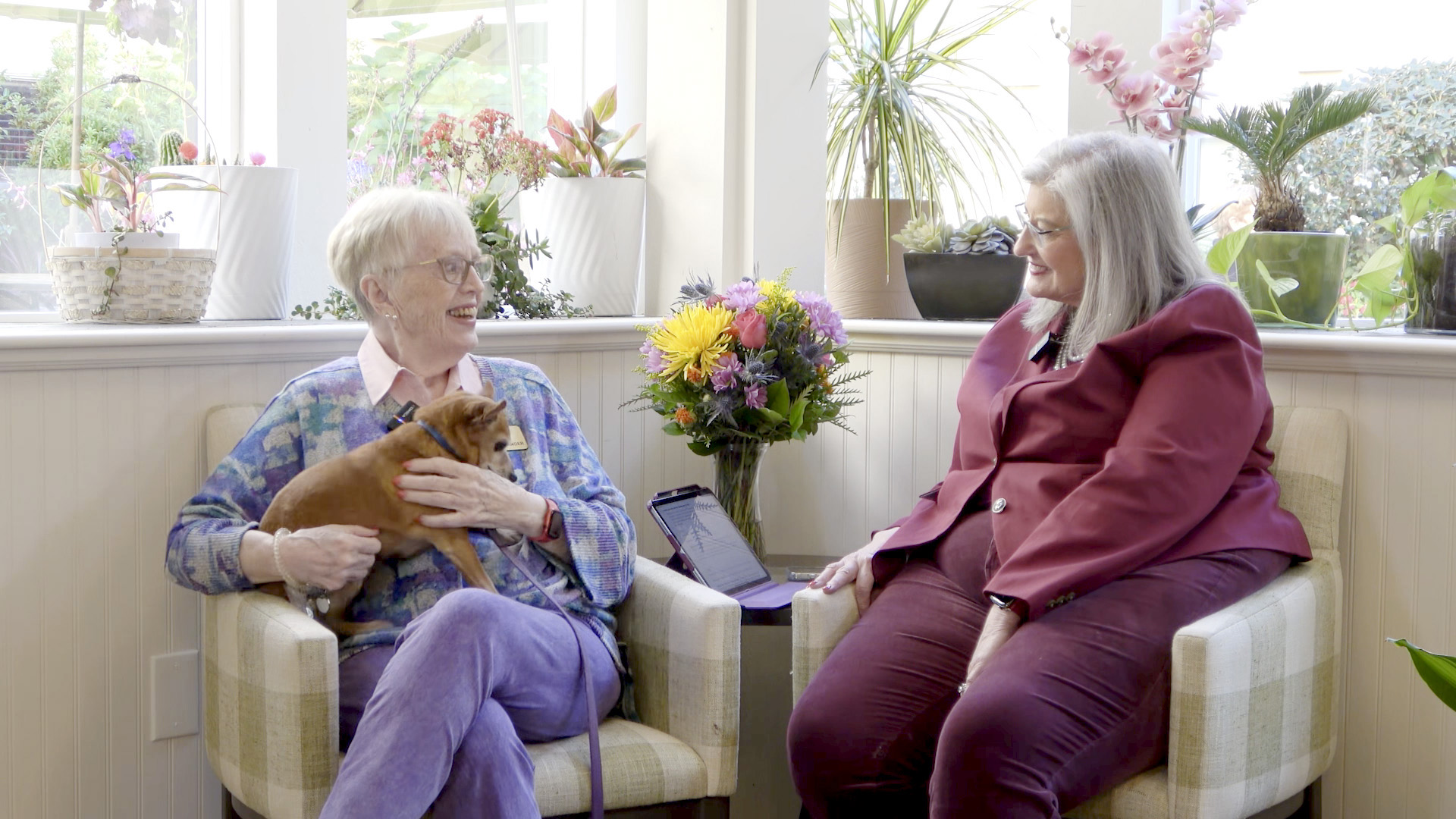
These are questions that thousands of families ask every day as they explore options for aging well. In this special Trustcasters episode of Answers for Elders, host Suzanne Newman visits The Gardens at Town Square, an Era Living community in Bellevue, Washington, and speaks with resident Catherine Alexander about her personal journey through senior living. Joined by her rescue dog Tyson, Catherine offers an honest and inspiring perspective on how community living transformed her daily life.
As an accomplished author, educator, and longtime resident within the Era Living family of communities, Catherine’s story challenges many of the common misconceptions people have about senior living. Rather than giving up independence, she discovered new opportunities, meaningful friendships, and the freedom to focus on the things she loves most.
Why Many Older Adults Wait Too Long to Consider Senior Living
For many people, the idea of moving to a senior living community feels like a major life transition. Often, the decision is delayed because people worry about leaving a longtime home, giving up independence, or adjusting to a new environment.
Yet one of the recurring themes in conversations with senior living residents is that many wish they had made the move sooner.

Before moving into community living, Catherine lived independently in a condominium. When a close friend and neighbor moved away, she found herself spending more time alone. Like many older adults, she discovered that isolation can gradually become a significant challenge.
While maintaining a home offers familiarity, it can also create unexpected burdens. Home maintenance, household responsibilities, safety concerns, and limited social interaction can slowly impact quality of life.
For Catherine, moving into an Era Living community provided something she hadn’t fully anticipated: connection.
From Isolation to Community
One of the most powerful insights Catherine shares is how dramatically her social life changed after moving into senior living.
Living alone can be lonely, especially after retirement or the loss of a spouse or close friend. In many neighborhoods, people leave for work during the day, making opportunities for social interaction limited.
Senior living communities create a different environment.
Instead of spending days alone, residents have opportunities to connect with others at meals, attend activities, participate in clubs, and build friendships with neighbors who share similar life experiences.
At The Gardens at Town Square, Catherine found a welcoming atmosphere where people genuinely cared about getting to know one another.
She recalls being pleasantly surprised by how friendly residents were when she first arrived. Instead of feeling like an outsider, she was invited to sit with others, share her story, and become part of the community.
For many older adults, that sense of belonging can have a profound impact on emotional well-being.
Independence Doesn’t Disappear—It Expands
One of the biggest myths about senior living is that moving into a community means giving up independence.
Catherine’s experience demonstrates exactly the opposite.
As a writer currently working on her third book, she values her ability to spend quiet time alone when she needs it. Community living gives her the best of both worlds.
She can focus on her writing projects, maintain her own schedule, and enjoy privacy in her residence. At the same time, opportunities for social engagement are always available whenever she chooses.
Whether attending a lecture, participating in a community event, sharing a meal with friends, or leading a writing group, she can be as involved as she wants to be.
This flexibility is one reason many residents describe senior living as liberating rather than restrictive.
Without the responsibilities of home ownership and maintenance, more time becomes available for hobbies, interests, travel, education, and personal growth.
Pursuing Purpose at Every Age
Retirement doesn’t mean the end of personal achievement.
In fact, many older adults discover new opportunities to contribute, teach, create, and inspire others after moving into senior living.
For Catherine, education remains an important part of her life. After years of teaching, she wasn’t ready to stop sharing knowledge with others.
At The Gardens at Town Square, she established and leads a resident writing group that meets regularly. Through the program, residents develop their writing skills while exploring their personal stories and experiences.
She has also facilitated classes focused on legacy, self-reflection, and personal identity—helping fellow residents explore how they want to be remembered and the lessons they hope to leave behind.
These activities highlight an often-overlooked benefit of senior living: the opportunity to continue growing intellectually, creatively, and emotionally.
Communities that encourage lifelong learning help residents maintain a strong sense of purpose and engagement.
The Benefits of Aging in a Community Environment
As we age, certain practical concerns become increasingly important.
Questions about health, safety, transportation, nutrition, and future care needs often influence long-term planning decisions.
One advantage of communities like The Gardens at Town Square is that support is readily available when needed.
Residents enjoy the confidence that comes from knowing trained professionals are nearby. Wellness checks, nursing support, emergency response systems, and healthcare coordination can provide peace of mind for both residents and their families.
Catherine describes the reassurance of having caring staff available if concerns arise, particularly for her partner, who receives additional support within the community.
Rather than worrying about managing every situation independently, residents can focus on enjoying life while knowing help is available if needed.
Why Pet-Friendly Communities Matter
For many older adults, pets are family members.
The thought of giving up a beloved dog or cat can be one of the biggest barriers to considering senior living.
Fortunately, many modern communities recognize the importance of pets in residents’ lives.
Catherine’s rescue dog Tyson has become something of a celebrity at The Gardens at Town Square. Friendly, well-loved, and frequently spoiled with treats and attention, Tyson enjoys the social atmosphere as much as Catherine does.
Pet-friendly communities offer important emotional benefits. Studies have shown that pets can reduce stress, provide companionship, encourage physical activity, and contribute to overall happiness.
For animal lovers, the ability to bring a cherished companion can make the transition to senior living significantly easier.
Planning for the Future with Confidence
Another reason Catherine chose community living was the opportunity to plan ahead.
Many senior living communities today offer multiple levels of care, allowing residents to remain in familiar surroundings as their needs change.
Rather than waiting for a health crisis to force a difficult decision, proactive planning provides more control and more choices.
This approach can reduce stress for both older adults and their families while ensuring continuity of care and support over time.
For many residents, knowing they have options available for the future provides tremendous peace of mind.
What Advice Does Catherine Have for Families Considering Senior Living?
Catherine’s message is simple: don’t let outdated stereotypes shape your decision.
Senior living communities today are not places where people simply wait out their remaining years. The best communities are vibrant environments filled with opportunities for friendship, learning, wellness, and personal fulfillment.
She encourages families to tour communities, ask questions, meet residents, and experience the culture firsthand.
The right community can offer something many older adults are searching for: freedom from isolation, freedom from home maintenance, freedom from worry, and freedom to focus on living fully.
A New Chapter Filled with Opportunity
Catherine Alexander’s story reminds us that senior living isn’t about losing independence—it’s about gaining opportunities.
From writing books and teaching classes to building friendships and enjoying life with her rescue dog Tyson, she has created a lifestyle filled with purpose, engagement, and connection.
For older adults considering their next chapter—and for adult children helping parents navigate important decisions—her experience offers a powerful example of how the right community can enhance quality of life in meaningful ways.
Watch the Full Interview
Watch Suzanne Newman’s conversation with Catherine Alexander and Tyson to hear firsthand what life is really like inside a resident-centered senior living community.
Listen on Apple Podcasts
Prefer audio? Listen to the complete Trustcasters episode on Apple Podcasts and discover why so many residents describe community living as one of the best decisions they’ve ever made.