




Making the move to senior living is one of life’s most significant transitions. For older adults, it often means leaving a home filled with decades of memories, adjusting to a new environment, and facing the emotions that come with change. For family members, it can bring questions, concerns, and uncertainty about how best to support a loved one through the process.
While many conversations about senior living focus on housing, amenities, dining, and healthcare, one important aspect is often overlooked: the emotional side of the transition.
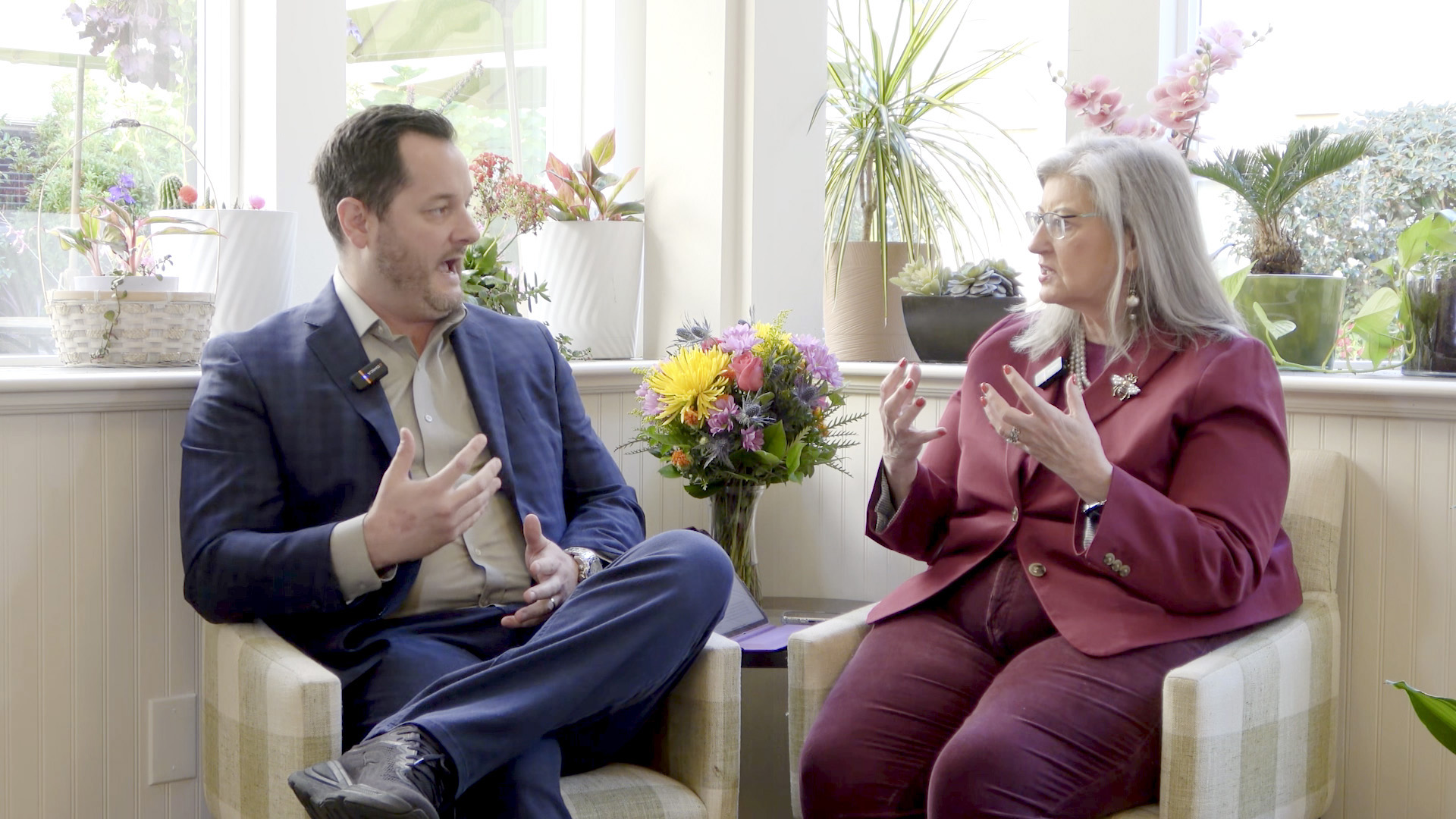
In this special Trustcasters episode of Answers for Elders, host Suzanne Newman visits The Gardens at Town Square, an Era Living community in Bellevue, Washington, and speaks with mental health counselor Seth Hutchins, MA, LMHC. Seth works directly with residents and families as they navigate the social, emotional, and practical challenges that often accompany a move to senior living.
His insights offer a valuable reminder that successful transitions aren’t simply about changing addresses. They’re about helping people feel connected, supported, and confident as they begin a new chapter in life.
Why Moving to Senior Living Can Feel Overwhelming
Even positive life changes can create stress.

For many older adults, moving to a senior living community involves multiple transitions happening all at once. There may be downsizing, selling a home, parting with treasured belongings, leaving familiar neighbors, and adjusting to an entirely new routine.
Many seniors are also navigating health concerns, caregiving changes, the loss of a spouse, or other major life events at the same time.
As Seth explains, it’s important to recognize that these emotions are completely normal.
Leaving a home where you’ve lived for 20, 30, or even 40 years represents more than a physical move. It’s often accompanied by a sense of loss. Family heirlooms, furniture, collections, and treasured possessions may no longer fit into a new living space. Long-standing routines change. Familiar surroundings are replaced by unfamiliar ones.
Acknowledging these feelings rather than dismissing them is often the first step toward a successful transition.
The Hidden Emotional Side of Downsizing
When families begin discussing senior living, much of the attention focuses on logistics.
What should be kept?
What should be donated?
When should the home be listed for sale?
How will the move be coordinated?
Yet the emotional impact of downsizing is often far greater than the practical challenges.
Every item in a home may represent a memory, a milestone, or a connection to a loved one. Letting go of possessions can feel like letting go of part of a life’s story.
Seth emphasizes that communities must recognize these emotions and provide support from the very beginning. At Era Living communities, leadership teams intentionally meet with new residents soon after they move in to answer questions, provide reassurance, and help them feel comfortable in their new surroundings.
That personalized approach helps reduce anxiety while creating a sense of familiarity during an otherwise uncertain time.
One of the Biggest Questions: “Will I Fit In?”
Perhaps the most common fear older adults have about moving into senior living is one that many people don’t say out loud.
Will I fit in?
Will I make friends?
Will people accept me?
As Seth points out, most of us can remember what it felt like to be the new kid in school—walking into a lunchroom where everyone else seems to know each other.
For seniors entering a new community, those feelings can resurface in surprisingly powerful ways.
Fortunately, communities that prioritize resident engagement understand this challenge and create intentional programs to help newcomers build connections.
At The Gardens at Town Square, one of those programs is the Resident Ambassador Program.
How Resident Ambassadors Help New Residents Feel at Home
One of the most innovative aspects of the Era Living approach is pairing new residents with experienced community members who volunteer to help newcomers adjust.
These resident ambassadors act as friendly guides during the first weeks and months after move-in.
They introduce new residents to activities, explain how things work, answer questions, invite them to meals, and help them become familiar with community life.
Most importantly, they offer friendship.
Rather than feeling alone while navigating an unfamiliar environment, new residents have someone walking alongside them who understands exactly what they’re experiencing.
This type of peer support often creates meaningful relationships and helps new residents feel welcome much more quickly.
Building Connections Through Shared Experiences
Another way Era Living supports successful transitions is through newcomer gatherings.
These social events bring recently arrived residents together in a relaxed setting where they can meet one another, connect with staff, and learn more about community resources.
Seth describes these gatherings as opportunities for both education and socialization.
New residents can ask questions, meet community leaders, discover activities, and build relationships with others who may be experiencing similar feelings and challenges.
The result is a stronger sense of belonging and greater confidence during the adjustment period.
For many people, simply realizing they aren’t alone in their experience can be incredibly reassuring.
Why Social Connection Matters for Healthy Aging
Research consistently shows that social connection plays a major role in overall health and well-being.
Loneliness and isolation have been linked to increased risks of depression, anxiety, cognitive decline, and other health concerns among older adults.
Senior living communities can help address these challenges by creating opportunities for meaningful engagement.
At communities like The Gardens at Town Square, residents have access to a wide variety of activities, educational programs, social gatherings, lectures, fitness opportunities, clubs, and volunteer experiences.
Importantly, participation is always a choice.
Residents can engage as much or as little as they wish while knowing opportunities for connection are readily available whenever they want them.
This flexibility allows individuals to maintain independence while benefiting from the advantages of community living.
Mental Health Support Is an Important Part of Senior Living
One of the most unique aspects of Seth’s role is that he serves as a dedicated mental health professional within the senior living environment.
Many retirement communities focus on physical wellness, but emotional wellness is equally important.
Residents may experience grief after the loss of a spouse, anxiety about health changes, concerns about family relationships, or stress related to major life transitions.
Having access to a trusted mental health professional provides valuable support during these moments.
Seth also facilitates support groups that allow residents to connect with others facing similar experiences.
These programs help residents process emotions, develop coping strategies, and maintain a strong sense of emotional well-being.
For families, knowing this resource exists can provide tremendous peace of mind.
Supporting Families Through the Transition
The move to senior living doesn’t affect only the resident.
Adult children, spouses, and other family members often experience their own emotional challenges during the process.
Family members may struggle with guilt, uncertainty, or questions about whether they’ve made the right decision. They may wonder how their loved one is adjusting or worry about how to provide support without creating dependence.
Seth notes that much of his work involves helping families navigate these concerns.
By serving as a trusted point of contact, he helps families understand what to expect, answers questions, and offers guidance throughout the adjustment process.
This support often benefits everyone involved.
When families feel informed and reassured, they are better able to focus on maintaining healthy relationships rather than managing every aspect of the transition themselves.
Why Planning Ahead Leads to Better Outcomes
One of Seth’s most important recommendations is simple: start early.
Too often, families begin exploring senior living only after a health crisis occurs. At that point, decisions must be made quickly, and options may be limited.
Planning ahead allows older adults to evaluate communities thoughtfully, ask questions, compare options, and make decisions from a position of strength.
Moving while healthy and active also makes it easier to participate in activities, build friendships, and fully enjoy everything a community has to offer.
Rather than viewing senior living as a last resort, many experts encourage families to see it as a proactive lifestyle choice that can enhance quality of life and provide greater peace of mind.
A Successful Transition Begins with Support
The move to senior living is about much more than finding the right apartment or floor plan.
It’s about helping people feel seen, understood, and supported during a major life transition.
As Seth Hutchins explains, successful communities recognize that emotional wellness, social connection, and family support are every bit as important as healthcare services and amenities.
When residents are welcomed, encouraged, and connected from the very beginning, they are far more likely to thrive in their new environment.
For older adults considering senior living—and for family members helping guide that journey—the right support can make all the difference.
Watch the Full Interview
Watch Suzanne Newman’s conversation with Seth Hutchins to learn how emotional support, social connection, and personalized guidance help seniors successfully transition into community living.
Listen on Apple Podcasts
Prefer audio? Listen to the complete Trustcasters episode on Apple Podcasts and discover practical advice for navigating one of life’s most important transitions with confidence.