






As spring turns into summer, many older adults look forward to spending more time outdoors. Whether it’s tending roses, growing vegetables, enjoying a morning cup of coffee on the patio, or simply soaking up the sunshine, outdoor spaces often play a major role in quality of life.
However, gardens, patios, walkways, and yards can also present significant safety challenges as we age. Uneven surfaces, slippery pathways, poor lighting, and difficult-to-reach gardening areas can increase the risk of falls and injuries.
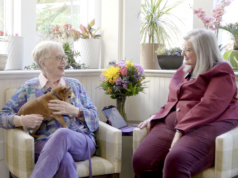
In this episode of the Answers for Elders Radio Show, host Suzanne Newman welcomes aging-in-place expert Paul Kocharhook, President of Pathway Design + Construction, to discuss practical ways seniors can continue enjoying their outdoor spaces safely. Their conversation offers valuable guidance for older adults who want to remain independent at home, as well as adult children looking to help aging parents stay safe while aging in place.
Watch on YouTube
Listen on Apple Podcasts

Why Outdoor Spaces Matter for Healthy Aging
When people think about aging in place, they often focus on indoor modifications such as grab bars, wider doorways, walk-in showers, and wheelchair accessibility. While those features are important, Paul emphasizes that the outdoor environment deserves equal attention.
Spending time outdoors offers numerous physical and emotional benefits for older adults.
Sunlight helps support healthy vitamin D levels, which contribute to bone health. Outdoor activities encourage movement and exercise. Gardening provides opportunities for stretching, walking, lifting, and maintaining flexibility. Just as importantly, being outside supports emotional well-being.
Paul discusses the concept of “biophilic design”—the idea that humans benefit from a strong connection to nature. Whether it’s enjoying flowers, growing vegetables, or simply sitting beneath a tree, outdoor spaces can reduce stress, improve mood, and create a sense of purpose.
For many seniors, gardening isn’t simply a hobby. It’s part of their identity.
Suzanne shares the story of a neighbor who grew award-winning dahlias throughout his life. Even into his later years, tending his garden brought him joy and fulfillment. That’s why aging in place isn’t about giving up beloved activities—it’s about finding safer ways to continue enjoying them.
Common Outdoor Fall Hazards for Seniors
One of the biggest concerns discussed in the episode is fall prevention.
Many outdoor environments contain hidden hazards that can become dangerous for older adults, especially those with mobility challenges, arthritis, vision changes, or balance concerns.
Some of the most common outdoor risks include:
* Uneven grass and lawn surfaces
* Tree roots hidden beneath walkways
* Loose gravel and decorative stone paths
* Garden hoses stretched across walkways
* Slippery patios and decks
* Poor outdoor lighting
* Stepping stones placed too far apart
* Moss-covered surfaces
* Unstable outdoor furniture
* Ladders used for yard maintenance
Paul cautions that many seniors continue climbing ladders for roof cleaning, pruning, or maintenance projects. While they may have done these tasks safely for decades, aging changes balance, strength, reaction time, and recovery ability after a fall.
His advice is simple: hire help for ladder work whenever possible.
A fall from a ladder can quickly turn into an emergency room visit, surgery, or a lengthy rehabilitation process.
Creating Safe Garden Paths and Accessible Walkways
A safe outdoor environment starts with a safe path.
Many gardens evolve organically over time, often without considering future mobility needs. Seniors may find themselves walking across uneven grass, dirt, bark mulch, or decorative rock to reach their favorite planting areas.
Paul recommends creating stable, continuous walking surfaces that provide predictable footing.
Some options include:
* Smooth concrete pathways
* Properly installed paver walkways
* Compacted crushed granite paths
* Wide, level access routes
One important distinction he makes is avoiding loose pea gravel. While it may look attractive, loose gravel shifts underfoot and can create instability.
He also advises caution with decorative stepping stones placed throughout lawns. While these may enhance visual appeal, they often require users to lift their feet higher and navigate uneven spacing, increasing the risk of tripping.
For seniors who use walkers, canes, or mobility devices, path width becomes especially important.
Paul recommends walkways approximately 48 inches wide whenever possible. This width provides room for walkers, oxygen tanks, and easier turning and maneuvering.
The goal is to create outdoor access that feels comfortable and secure, not intimidating.
Senior-Friendly Patio Design and Outdoor Seating
Patios often become gathering places during spring and summer, making safety especially important.
Paul strongly discourages using stamped concrete surfaces for senior-friendly outdoor spaces. While stamped concrete can be beautiful, it often becomes extremely slippery when wet and requires ongoing maintenance.
Instead, he recommends stable, level surfaces that provide reliable traction.
Outdoor furniture also deserves careful consideration.
Many popular patio chairs prioritize style over accessibility. Deep chairs, low seating, folding furniture, and Adirondack chairs can make standing difficult for older adults.
Better options include:
* Chairs with sturdy armrests
* Firm seating surfaces
* Stable, non-rocking furniture
* Weather-resistant materials such as teak or high-quality resin furniture
Armrests are particularly valuable because they provide leverage when transitioning from sitting to standing.
Shade is another important factor.
As we age, skin becomes more sensitive to sun exposure and overheating becomes a greater concern. Pergolas, umbrellas, covered patios, and shaded garden seating areas can make outdoor spaces more comfortable and safer during warmer months.
Even a simple garden bench placed beneath a shade structure can create a welcoming retreat.
Gardening Modifications That Help Seniors Stay Independent
One of the most inspiring parts of Suzanne and Paul’s conversation centers around adapting gardening practices rather than giving them up.
Raised garden beds are one of the most effective aging-in-place solutions available.
Traditional gardening often requires kneeling, crouching, and repeated bending—activities that become increasingly difficult for people with arthritis, joint pain, or mobility limitations.
Raised beds allow gardeners to work comfortably while standing or sitting.
Paul recommends heights of approximately 30 to 34 inches, similar to countertop height. These dimensions allow easier access while reducing strain on the back, knees, and hips.
Other helpful gardening modifications include:
- Ergonomic hand tools
- Electric pruning shears
- Vertical gardens
- Automatic irrigation systems
- Gardening benches with support handles
- Lightweight watering equipment
- Elevated hose connections
Suzanne shares her personal experience with electric pruning shears, calling them a “game changer” for gardeners with arthritis. These battery-powered tools reduce hand strain and make pruning much easier.
Vertical gardens are another creative option. By growing upward instead of outward, seniors can continue gardening while minimizing bending and kneeling.
The key message is clear: modify the task, not the passion.
Outdoor Lighting and Safety Features Every Senior Should Consider
Many outdoor falls occur simply because hazards aren’t visible.
Paul notes that older adults often require significantly more light to see clearly than younger individuals.
Simple improvements can dramatically enhance safety:
- Solar pathway lights
- Motion-activated lighting
- String lighting along fences
- Illuminated walkways
- Step lighting
- Entryway lighting
Lighting should ideally be spaced consistently throughout walking areas, helping identify elevation changes, obstacles, and pathway edges.
Other important safety features include:
- Grab bars near slopes or steps
- Resting benches every 30–40 feet for larger properties
- Secure handrails
- Clearly defined walking routes
These modifications not only reduce fall risks but also increase confidence when navigating outdoor spaces.
Aging in Place Means Adapting, Not Giving Up
Perhaps the most important takeaway from this episode is that aging in place should never mean giving up the activities that bring meaning and joy.
Too often, families focus solely on what older adults can no longer do.
Paul encourages a different approach.
Instead of saying, “You shouldn’t garden anymore,” ask, “How can we make gardening safer?”
Instead of abandoning outdoor spaces, adapt them.
Install a raised garden bed. Add lighting. Create a safer walkway. Hire someone to mow the lawn. Bring in assistance for heavy lifting and ladder work.
Small changes can make a tremendous difference in preserving independence, reducing caregiver stress, and helping older adults continue living fulfilling lives in the homes they love.
Frequently Asked Questions About Gardening Safety for Seniors
What is the safest type of garden path for seniors?
Stable, level pathways made from concrete, properly installed pavers, or compacted crushed granite are generally safer than loose gravel, bark, dirt, or stepping stones.
Are raised garden beds helpful for older adults?
Yes. Raised garden beds reduce bending, kneeling, and strain on the back, knees, and hips while making gardening more accessible and enjoyable.
What outdoor furniture is safest for seniors?
Chairs with sturdy armrests, firm cushions, and stable frames are typically easiest for older adults to use. Avoid deep seating and low-profile furniture that makes standing difficult.
Why is outdoor lighting important for aging in place?
Older adults often need significantly more light to see clearly. Good lighting helps prevent falls by improving visibility around pathways, patios, steps, and gardens.
Can seniors continue gardening if they use a walker?
Absolutely. Wide, level pathways and raised garden beds can make gardening accessible for seniors who use walkers, canes, or other mobility devices.
Want more practical aging-in-place tips? Listen to Suzanne Newman and aging-in-place specialist Paul Kocharhook discuss outdoor safety, gardening accessibility, fall prevention, and smart backyard modifications that help seniors continue enjoying life at home.
Be sure to subscribe to the Answers for Elders podcast and YouTube channel for more expert advice on senior living, caregiving, home safety, and aging well.
Visit PathwayDC.com or call 206-937-4809 for more information. If you’re in the Seattle area, mention Answers for Elders to get a free consultation. Paul will come out, check out your home, make sure that it is safe, and talk about different potential projects, whether for now or in the future.
- Pathway on YouTube
- National Homebuilders Association website
- Aging in Place Checklist
- More Aging in Place podcasts