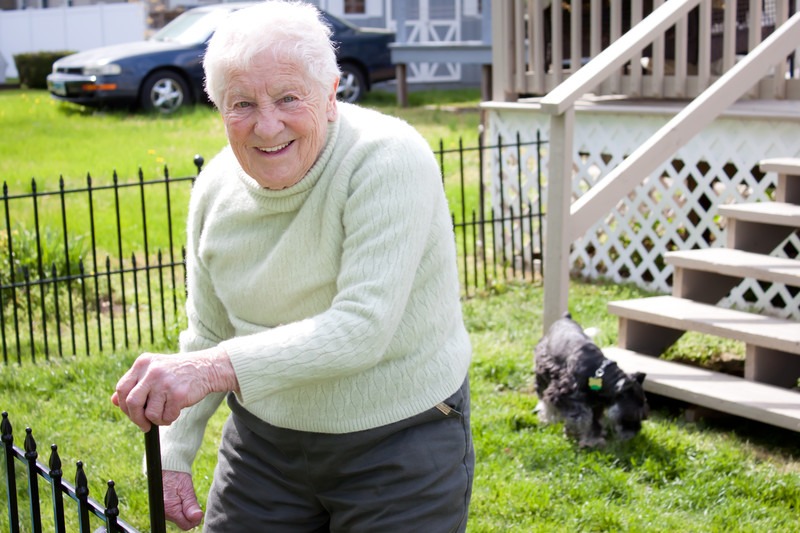






Designing and creating a “forever home” for successful Aging In Place is a business in need by many today desiring to hold onto their home and age comfortably. Homes are aesthetically pleasing (non-institutional) with increased accessibility and functionality for those with mobility issues. The specialist will provide:
- In-Home assessments to evaluate the client’s specific wants, needs, goals, and design solution ideas
- property evaluations and feasibility studies to potential home-buyers and land / building developers
- Design for new construction, remodeling, and additions to your home and property
Services
A partial or complete redesign are available options. The following list of functions can give you a place to start assessing the home to determine a partial/full list of items you may require:
STAIRS and TRIP HAZARDS
- Are throw rugs being used? Are loved ones tripping?
- How are stairs being navigated the stairs? Are they using the handrail? Are they also holding onto the other wall for support? Are there other vertical transitions or thresholds between heights or materials that were an issue for them to navigate?
DAYLIGHTING
- Is their house light and bright, or dark and dim? Is there too much glare during certain times of day with the sun at certain angles in the sky / through the windows (late afternoon? early morning?) Are blinds, shades, or external overhangs needed to help with the glare coming into the rooms.
- Does it feel warm and inviting, or cold and dark?
- Does it feel “lived in”, or a bit too “empty”? Are visitors comfortable in your parents home?
TASK LIGHTING
- Do they have sufficient lighting (both ambient and task) at the places where they stop and do work such as a desk, cooking and prep areas, reading chairs, etc.?
- Is the light blocked by the occupant?
- Does their body cast a shadow on the work space they are trying to use?
FIXTURE OPERATION

- How are the use of faucets and sinks managed? Do they require you to grip and twist handles, or can you push a lever with your wrist for operation?
- How about door handles or door knobs? Are there doorknobs that are tough to turn and require a grip and twist?
- Are there doors that are “tight” or “tough” to open, that seem to require an extra thrust and then they “release” open all at once?
GRIP ASSISTANCE
- How did they do holding onto a stack of dishes or a handful of silverware? How about their cooking utensils, did they seem to cause discomfort or require extra effort or focus to utilize?
PLUGS and SWITCHES
- Did you notice how Mom or Dad’s hands use a standard light switch? Do they flip it up and down with ease and without pain? Do they alter how they use their hand for this task?
- Do they have trouble reaching down to standard height outlets for cords and plugs?
CLEAR SPACE and MANEUVERABILITY
- How did they do moving down the hall, and through / around doors that needed to be opened or closed on the way through them?
- Are there door swings that are a hindrance to the open floor space in a room that make it tough to move about freely inside the room? Are there door swings that create tough to reach areas in a room when they are open?
ACCESSIBLITY to their THINGS
- How did they do getting dishes in and out of the sink, dishwasher, cabinetry? Could they safely and easily get items out of all upper and lower cabinetry in the kitchen, laundry room, garage, etc.?
- Do shelves come “up” and “down” to meet the user at a comfortable height, or is it an exercise in precarious reaching?
Specialization
A “home designer” requires no licensing or exams process for residential design
A licensed Architect has typically completed on average 8 years of schooling and apprenticeship training under an architect, before attempting the NCARB’s A.R.E. licensing exams. A minimum of 9 exams totaling 36+ hours of testing related to all aspects of design and construction, life safety, health, and welfare of the public in the built environment is required to receive a license.
CAPS Certified Architects or home designers (Certified Aging In Place Specialists) is a designation sponsored by the National Association of Home Builders. It requires only three days of instruction to qualify. It is a known and understood credentialing & designation in the industry for additional training specific to working with older clients.
Preparation
Walking through the services section will give you the detailed assessment tool for determining specific needs you will want to ask for when seeking a consult with a home designer, or Architect. Take a notebook with your findings with room under each bullet point to write comments from the professional with which you are working.
Evaluation
- Will you manage the bidding of the design and permit drawings, as well as the interviewing and selection of a General Contractor for your remodel, addition, or new home?
- Define the types of licenses you hold; Architect, or home designer; CAPS Certified, or other-wise credentialed?
- Define complete fee structure.
- Hourly Rate(s), Percentage of Construction Cost, Flat Fee, NTE “Not To Exceed”
- What does their Fee include? Is that to the point of Permit submittal level drawings & documents? What’s included in “Full Service”? Can it be done more “A La Carte”?
- Are drawings submitted for permitting? Interview Contractors with you? Provide Construction Observation?
- Provide a few recent (last 2 years) project client references that can be contacted.
Planning & Design Articles
- How to Prepare Your Home for Aging in Place - Did you know that studies show that only 1 percent of homes are aging in place ready? Yet, if you don’t live in an environment that can support you, studies show that over 75% of seniors who are hospitalized by a fall, it is because of an accident in the… …Read More
- Aging in Place: Growing Old at Home - The stairs are getting so hard to climb. Since my wife died, I just open a can of soup for dinner. I've lived here 40 years. No other place will seem like home. These are common issues for older people. You may share the often-heard wish — “I want to… …Read More
- Aging in Place: Living Sustainably Helps our Southern Resident Killer Whales - On Thursday, April 4th, Q13 Fox ran a special on our Southern Resident Killer Whales. For those of you who may not know, fighting for these icons of the Pacific Northwest has been a huge part of my life. Growing up in Anacortes as I did, as a small child… …Read More
- Aging in Place checklists - If you or a senior loved one are aging in place, here are some checklists to make your living environment safer for your aging years. Featured here are checklists for the exterior and interior of your home and a home-care provider checklist. Aging in Place: Exterior Checklist Walkways and Sidewalks… …Read More
- Is Aging in Place Right For Your Parent? - Recent Studies indicate that 95% of seniors want to “age in place” in their aging years as opposed to retirement living. With the advancement of services for seniors, technology and home design, more and more seniors have the option to do just that. To many seniors, moving away from home… …Read More
- Advocating for Your Parent: Are they a Good Fit to Age in Place? - If you are reading this, no doubt you are in the shoes I was in for six years as I cared for my own mother until she passed away in 2011. Today I look back and see how I began to find my own stride as her caregiver, and as… …Read More
- Infographic: Is Your Senior Loved One Aging in Place? - Celebrate Spring! Make it a family event! Organize a spring cleaning party Create an indoor herb garden Plant spring flowers Clean up their yard See the infographic for more ideas! …Read More
Planning Radio Show Segments
- Alzheimer’s and Aging in Place: How Home Design Can Support Safety, Comfort and Independence
When a loved one is living with Alzheimer’s disease, families often focus on medical care, medications, appointments and caregiving schedules. But there is another important part of the care equation that can sometimes be overlooked: the home itself. The physical environment can influence how easily someone moves through a home, recognizes rooms and objects, follows familiar routines and maintains independence. It can also have a major impact on the people providing care.
This is the focus of a special five-part conversation on the SilverHome Radio Show, part of Answers for Elders. Host Barry Long is joined by Tom Minty of ABLE Environments and Paul Kocharhook of Pathway Design + Construction to explore how thoughtful home design can help families navigate Alzheimer’s and aging in place.
The conversation covers everything from lighting, color and texture to bathroom safety, caregiver accessibility, wayfinding, sundowning and the importance of planning before a crisis occurs.
Alzheimer’s Home Safety Starts With the Person, Not the Disease
One of the most important ideas throughout the SilverHome conversation is that there is no single home design that works for every person with Alzheimer’s.
As Tom Minty explains, “You’re not designing for the disease, you’re designing for the person.” The individual’s history, routines, abilities, interests and familiarity with their surroundings all matter. That is particularly important because Alzheimer’s can affect a person’s perception and ability to navigate an environment. A change that seems insignificant to a family member may be confusing or distressing to someone who relies heavily on familiar surroundings.
Barry Long shares a moving personal story that illustrates this point. As a child, Barry visited his great-grandmother, who had Alzheimer’s. At one point, she mistook him for her husband and vividly recalled how they had met many decades earlier. Shortly afterward, she no longer recognized Barry at all. The experience stayed with him because it demonstrated something profound about memory: a person may lose their connection to the present while still having access to powerful memories from the distant past.
That understanding can influence how families approach an Alzheimer’s-friendly home. Instead of immediately replacing familiar surroundings, families may want to consider whether modifications can be introduced gradually while preserving the home’s recognizable layout, objects and routines.
Designing a Dementia-Friendly Home for Safety and Independence
Home modifications for someone with Alzheimer’s should address safety—but safety should not automatically mean restricting everything the person can do.
The SilverHome team discusses the delicate balance between security and independence. A modification can make an environment technically safer while unintentionally making it unfamiliar or taking away opportunities for the person to move around independently.
That is why thoughtful design matters. For example, families may want to consider:
- Creating clear, uncluttered paths through the home
- Reducing confusing floor transitions
- Improving lighting in hallways and rooms
- Using color contrast to make important fixtures easier to identify
- Creating circular paths rather than dead-end hallways
- Making bathrooms accessible for both the resident and caregiver
- Identifying areas that may be unsafe or confusing
- Using familiar fixtures and finishes whenever possible
- Reducing unnecessary changes to the person’s established routine
One particularly interesting concept discussed in the program is camouflaging a door. In some circumstances, a door leading to an unsafe area—such as a basement—may be better integrated into its surroundings rather than made more visually prominent.
The goal isn’t simply to make everything accessible. Sometimes good design means making an unsafe area less accessible while preserving safe opportunities for movement elsewhere in the home.
Caregiver-Friendly Home Design Is Just as Important
When families think about aging in place, they naturally tend to focus on the person who needs care. But the SilverHome conversation emphasizes another essential consideration: the caregiver needs to be able to function safely in the environment, too. A caregiver may need to help with bathing, toileting, dressing, mobility or other daily activities. A bathroom that technically works for the person with Alzheimer’s may not provide enough room for another person to safely assist them. That makes caregiver-friendly design an important component of an effective home care plan.
The bedroom and bathroom can be particularly important areas to evaluate. Rather than waiting until a caregiver is struggling to provide assistance, families can look at how these spaces might evolve over time. This also highlights why planning ahead is so important. Paul Kocharhook points out that not every home can be made safe for every stage of Alzheimer’s. Families benefit from having someone knowledgeable evaluate the home before circumstances become an emergency.
In other words, the question isn’t simply: “Can Mom live here today?”
It is also: “Can this home continue to support Mom—and the people caring for her—as her needs change?”
Lighting, Color and Layout Can Make a Difference
Earlier portions of the SilverHome series explore how seemingly ordinary design decisions can influence an individual’s ability to understand and navigate a home.
Lighting is especially important. Dark hallways, deep shadows and glare can make spaces more difficult to interpret. Natural daylight and thoughtfully placed artificial lighting can help create a more consistent visual environment.
Color and contrast can also help distinguish objects and fixtures from their surroundings. A toilet, countertop or doorway that blends completely into its surroundings may be harder to identify than one with appropriate visual contrast.
The same principle applies to flooring and surfaces. Highly reflective or glossy materials can sometimes create visual effects that are confusing, while strong shadows can make an otherwise safe area appear different from what it actually is. For families considering an Alzheimer’s home modification, this means looking beyond grab bars and ramps. The broader environment—including lighting, flooring, color, texture and visual clutter—deserves consideration.
Familiar Objects and Textures Can Provide Comfort
The series also explores an especially human aspect of dementia-friendly design: touch and familiarity. A favorite blanket, a familiar piece of furniture, a well-known tool or an activity associated with someone’s past may carry emotional significance even when other memories become difficult to access.
The same principle can be applied to activities. Someone who spent years gardening might find comfort in a raised garden bed. Someone who worked with wood might enjoy handling familiar tools or materials. Someone who crocheted might respond positively to familiar yarn and textures. These aren’t simply ways to keep someone occupied. Familiar sensory experiences can help create a sense of connection to the person’s identity and history.
This individualized approach is one of the reasons dementia-friendly design should not be treated as a generic checklist. What brings comfort to one person may have little meaning for another.
Understanding Sundowning and the Home Environment
Another important topic in the final SilverHome segment is sundowning, a term used to describe increased confusion, agitation, anxiety or restlessness that can occur later in the day for some people with dementia. The discussion connects this phenomenon with circadian rhythms and the importance of natural light. Paul explains how the body’s internal rhythm responds to cues such as daylight. When that rhythm becomes disrupted, a person may have difficulty understanding whether it is daytime or nighttime.
The conversation includes a memorable story about Barry’s great-grandmother waking during the night while on a family trip. She struggled to believe that it was midnight even after looking outside. Technology may provide additional tools for families. Automated lighting systems can be programmed around time-of-day schedules or sunrise and sunset, potentially creating more consistent transitions between daytime and nighttime.
While technology isn’t a substitute for caregiving, thoughtful use of it may become one piece of a broader home safety strategy.
Planning Ahead Can Give Families More Choices
Perhaps the biggest takeaway from the five-part SilverHome conversation is the importance of planning before a crisis. When a sudden medical event occurs, families may have only days—or hours—to figure out whether a home is accessible and safe. Barry describes his own experience of becoming paralyzed unexpectedly and discovering that his home wasn’t prepared for his immediate needs.
Alzheimer’s often provides families with more time to anticipate changing needs. That doesn’t make the journey easy, but it can create an opportunity to ask important questions earlier:
- What areas of the home could become unsafe?
- Can the bathroom accommodate a caregiver?
- Are there places where someone could become confused or trapped?
- Is the lighting adequate?
- Are there stairs or other barriers that may eventually become difficult?
- Can the home be modified without destroying its familiarity?
- Would universal design improvements benefit the entire household?
- At what point might another living environment become necessary?
The goal isn’t necessarily to remodel the entire house immediately. Instead, families can think about progressive changes—modifications that address today’s needs while anticipating what may be needed tomorrow. Tom describes the goal as maintaining the benefits of home—familiarity, routine, connection and economy—until safety and caregiving needs make another environment necessary.
Is Aging in Place With Alzheimer’s Right for Your Family?
There is no universal answer. For some families, thoughtful home modifications and caregiver support may make it possible for a loved one to remain at home longer. For others, the physical layout of the home, the progression of the disease or the demands placed on caregivers may eventually make another care setting more appropriate.
The important thing is to evaluate those choices before the family is forced to make them under pressure. A professional home assessment can help families understand what is possible, what modifications may be worthwhile and where the limitations of the existing home may be. And perhaps most importantly, planning for Alzheimer’s care at home shouldn’t be viewed simply as a construction project. It is an opportunity to create an environment that respects the person’s history, preserves familiarity and supports the people who provide care.
The SilverHome conversation offers a valuable reminder: a home can be more than a place where someone receives care. Thoughtful design can make the home itself part of the support system.
Watch on YouTube
Part 1. Alzheimer’s & Aging in Place – How to Make Your Home Safer and More Supportive
Part 2 Alzheimer’s Home Design – Creating a Safer, More Supportive Home for Aging in Place
Part 3 Alzheimer’s Home Safety – How Lighting, Color & Contrast Can Help
Part 4 Alzheimer’s & the Power of Touch – Creating Comfort at Home
Part 5 Alzheimer’s & Aging in Place – Creating a Safer Home for Families and Caregivers
Listen on Apple Podcasts
Frequently Asked Questions About Alzheimer’s and Aging in Place
Can someone with Alzheimer’s safely remain at home?
Some people with Alzheimer’s can remain at home for extended periods, depending on their individual needs, the home’s layout and the availability of appropriate caregiving support. Families should regularly reassess safety as needs change.
What are some important Alzheimer’s home safety modifications?
Potential considerations include improved lighting, clear pathways, accessible bathrooms, appropriate color contrast, reduced clutter, safer flooring, secure storage and ways to limit access to hazardous areas. The appropriate modifications depend on the individual and the home.
How can home design support independence for someone with dementia?
Familiar layouts, clear pathways, recognizable fixtures, appropriate contrast and thoughtfully designed spaces can make it easier for someone to understand and navigate their surroundings. The objective is to promote independence while addressing safety concerns.
What is a dementia-friendly home?
A dementia-friendly home is an environment designed around the individual’s abilities, preferences and routines. It may incorporate familiar objects, simplified layouts, appropriate lighting, visual contrast, accessible spaces and safety features without making the home feel institutional.
Why is planning ahead important for Alzheimer’s care at home?
A home may work well in the early stages of Alzheimer’s but become increasingly challenging as needs change. Planning ahead gives families time to evaluate potential modifications, arrange caregiver support and consider alternatives before an emergency creates pressure to make immediate decisions.
Does every home work for aging in place with Alzheimer’s?
No. Some homes cannot be reasonably modified to accommodate an individual’s changing needs. The SilverHome discussion emphasizes the value of having someone knowledgeable evaluate the home early so families understand what is possible and where the home’s limitations may be.
Watch and Listen to the SilverHome Alzheimer’s Conversation
If you are caring for a parent with Alzheimer’s or dementia—or beginning to think about how a loved one could safely age in place—this five-part SilverHome conversation is a useful place to start.
The conversation between Barry Long, Tom Minty and Paul Kocharhook reinforces a simple but important message: don’t wait until a crisis to ask whether the home is safe. Start looking at the possibilities early, while your family still has choices.
- Bathroom Safety for Seniors: A Complete Guide to Aging-in-Place Bathroom Remodeling
For many older adults, staying in the home they love is an important part of maintaining independence and quality of life. But as mobility, balance, strength or other needs change, the home may need to change, too. And one of the most important places to consider is the bathroom.
Bathrooms can present a surprising number of safety challenges. Slippery surfaces, high bathtub walls, narrow doorways, poor lighting, inadequate support, electrical hazards and difficult-to-reach fixtures can all make everyday routines more challenging. The good news is that an aging-in-place bathroom doesn’t have to look institutional or sacrifice style for safety.
In a four-part conversation on Answers for Elders, host Suzanne Newman talks with Paul Kocharhook of Pathway Design and Construction about how homeowners can create safer, more accessible and more comfortable bathrooms. Their conversation covers everything from shower design and fall prevention to toilets, lighting, electrical systems, storage, ventilation, remodeling costs and planning for future needs.
Why Bathroom Safety Matters When Aging in Place
When people think about aging in place, they often focus on bedrooms, stairs or entrances. But the bathroom deserves just as much attention. A bathroom requires us to perform many movements that can become more difficult with age: stepping over a tub wall, standing up from a low toilet, getting in and out of a shower, reaching for towels and toiletries, and navigating the room when the floor may be wet. That’s why bathroom remodeling for seniors should begin with safety rather than simply replacing outdated fixtures.
Paul recommends looking at the entire bathroom and considering how the space functions for the person who will use it. A bathroom that works perfectly well for someone with no mobility limitations may become much more difficult for someone using a walker or wheelchair—or for someone whose physical condition may change over time.
In some cases, the solution may be relatively simple. In others, a bathroom may need to be completely reconfigured. Small bathrooms can present particular challenges, and creating additional space may require changing doorways, moving walls or considering how the bathroom connects with adjacent rooms. The goal isn’t simply to make today’s bathroom work. It’s to think about how the space can continue to work in the future.
Creating a Safer, More Accessible Shower
The shower is one of the most important areas to address in an aging-in-place bathroom. Traditional bathtubs can require significant effort to enter and exit. For someone experiencing balance or mobility challenges, stepping over a high tub wall can create a serious fall risk. Paul and Suzanne discuss how a traditional tub/shower arrangement can be considerably less safe than an accessible shower.
One of the most desirable features for aging in place is a curbless or flush-entry shower. Rather than requiring someone to step over a raised threshold, the shower provides a much easier transition from the bathroom floor into the shower.
Other features can improve shower safety and comfort as well, including:
- Handheld showerheads
- Shower seating
- Slip-resistant shower surfaces
- Properly positioned grab bars and support
- Easy-to-operate controls
- Appropriate lighting
- Shower systems designed around the user’s mobility needs
Homeowners don’t necessarily have to undertake a massive renovation to improve shower safety. Depending on the existing bathroom, a tub-to-shower conversion or prefabricated accessible shower system may provide an opportunity to make a significant improvement without completely rebuilding the room.
The conversation also emphasizes that accessible products have come a long way. Today’s aging-in-place materials can be attractive, modern and stylish. Large wall panels, for example, can reduce the number of joints that need to be maintained and can make shower surfaces easier to clean.
Senior Bathroom Design: Toilets, Vanities, Lighting and Electrical Safety
A safer bathroom involves much more than the shower. Toilet height and clearance are important considerations, particularly for anyone who has difficulty sitting down or standing up. Comfort-height toilets, raised toilet seats and newer smart toilet features may make the bathroom easier to use. The amount of space surrounding the toilet also matters, especially when a walker, wheelchair or caregiver needs to maneuver nearby.
Lighting is another frequently overlooked element of bathroom safety. A person getting up during the night shouldn’t have to navigate a completely dark bathroom. Motion-activated lighting, illuminated toilet seats and strategically placed nightlights can help make nighttime trips safer.
Electrical safety is equally important in older homes. Modern bathrooms may have hair dryers, electric toothbrushes, curling irons, hearing-aid chargers and other appliances competing for limited outlets. Older homes may also have outdated electrical systems or bathrooms that weren’t originally designed for today’s electrical demands.
During a remodel, homeowners may have an opportunity to add outlets in more convenient locations and reduce the need for extension cords running across the floor. The discussion also addresses GFCI protection and the importance of having electrical work evaluated appropriately rather than simply adding more plugs to an inadequate circuit.
Vanities should also be designed around the person using them. A roll-under vanity can provide valuable clearance for someone who uses a wheelchair or needs to sit while grooming. Existing vanities may sometimes be modified rather than completely replaced. Small details can make a difference, too. Lever-style or single-handle faucets can be easier for people with arthritis or limited hand strength to operate.
Bathroom Remodeling for Aging in Place Doesn’t Have to Look Institutional
One common concern among homeowners is that adding accessibility features will make their bathroom look like a medical facility. That doesn’t have to be the case. Today’s aging-in-place products offer far more design choices than homeowners had in the past. Accessible shower systems, attractive wall panels, modern fixtures, contemporary lighting and carefully selected finishes can create a bathroom that looks like a beautiful home bathroom while incorporating important safety features.
As Paul explains, the conversation has shifted from simply asking, “How do we make this accessible?” to asking, “How do we make this accessible while creating a space the homeowner actually enjoys?” That distinction is important. An aging-in-place bathroom should feel like your bathroom—not a hospital room.
Homeowners can also consider maintenance when selecting materials. Large-format wall panels, for example, can minimize the number of joints that require caulking and maintenance while providing a smooth, easy-to-clean surface.
Don’t Overlook Moisture, Plumbing and Hidden Problems in Older Homes
A bathroom remodel can uncover problems that aren’t immediately visible. Older homes may have plumbing systems that are difficult to modify, structural limitations that affect a proposed layout, or moisture damage hidden behind walls. Windows located inside shower areas can be particularly concerning because repeated exposure to moisture can contribute to deterioration in walls and surrounding structures.
Ventilation is another critical consideration. A bathroom fan should remove moist air from the bathroom and properly vent it outside. Simply installing a fan without ensuring that the moisture is actually exhausted outdoors can allow condensation to accumulate elsewhere in the home, potentially contributing to mold and other problems.
These issues are a good reminder that bathroom remodeling isn’t necessarily a do-it-yourself project. Moving walls, changing plumbing, modifying electrical systems or altering structural components can require qualified professionals.
How Much Does an Aging-in-Place Bathroom Remodel Cost?
There isn’t one universal price for an aging-in-place bathroom remodel. As Suzanne and Paul discuss, costs can vary dramatically depending on the size of the bathroom, the number of fixtures, the materials selected, the complexity of the layout and the amount of structural or plumbing work required.
The important point is to begin with the homeowner’s needs and budget. Someone who needs a bathroom modified quickly after returning home from a hospital stay may have very different priorities from someone planning a renovation six months in advance. Likewise, a homeowner looking for a straightforward safety upgrade may need a very different solution from someone planning for significant future mobility changes. That’s why it can be helpful to develop options rather than assuming there is only one way to remodel the bathroom.
And if you’re considering a major financial decision such as a reverse mortgage, Suzanne raises the possibility of considering necessary home improvements as part of the broader financial planning conversation. Homeowners should discuss the specifics with qualified financial and lending professionals before making such decisions.
Plan Your Bathroom for the Next Chapter of Life
Perhaps the most important message from this four-part conversation is that planning ahead matters. It’s easy to say, “I’ll remodel the bathroom someday.” But if a fall or sudden change in mobility happens tomorrow, there may not be time to thoughtfully redesign the space. Instead, homeowners can consider their future needs while they still have the ability to make decisions on their own terms. That may mean installing a curbless shower, improving lighting, creating more maneuvering space, replacing slippery surfaces, improving ventilation or simply making sure the bathroom can accommodate a walker or caregiver if needed.
For someone with a progressive condition or changing mobility needs, bringing an occupational therapist into the planning process may also provide valuable insight. A professional who understands the individual’s abilities and potential future needs can help inform decisions about how the bathroom should be adapted.
And when choosing a remodeling professional, Paul and Suzanne recommend looking for someone with specialized aging-in-place expertise. They specifically discuss CAPS certification, a designation associated with the National Association of Home Builders (NAHB), and encourage homeowners considering aging-in-place remodeling to seek out appropriately qualified professionals.
Most importantly, accessibility doesn’t mean giving up the beauty or value of your home. When thoughtful design is combined with appropriate safety features, an aging-in-place bathroom can be both functional and attractive.
Watch on YouTube
Part 1. The Most Dangerous Room in Your Home? Your Bathroom | Aging in Place Safety
Part 2. How to Make Your Shower Safer for Seniors | Aging-in-Place Bathroom Tips
Part 3. Bathroom Safety for Seniors | 10 Aging-in-Place Design Tips
Part 4. How Much Does an Aging-in-Place Bathroom Remodel Cost? | Senior Safety Tips
Listen on Apple Podcasts
Frequently Asked Questions About Aging-in-Place Bathroom Remodeling
What is an aging-in-place bathroom?
An aging-in-place bathroom is designed to remain safe, comfortable and usable as a person’s needs change over time. Features may include a curbless shower, shower seating, accessible fixtures, better lighting, appropriate grab bars, easier-to-use faucets and additional maneuvering space.
What is the safest type of shower for seniors?
A curbless or flush-entry shower can make entering and exiting easier by eliminating the need to step over a raised threshold. Depending on the individual’s needs, other features such as a shower seat, handheld showerhead, slip-resistant flooring and properly positioned support can further improve safety.
Does an accessible bathroom have to look like a hospital bathroom?
No. Modern aging-in-place products come in a wide variety of styles and finishes. Accessible bathrooms can be attractive, contemporary and personalized while incorporating safety features.
When should I remodel my bathroom for aging in place?
Ideally, consider aging-in-place improvements before a crisis makes them necessary. Planning ahead gives homeowners more time to consider their needs, budget, materials and potential future mobility requirements.
Should I hire a contractor who specializes in aging in place?
It can be beneficial to work with a contractor who has specific aging-in-place training and experience. Suzanne and Paul discuss CAPS-certified professionals and explain why specialized knowledge can help homeowners create a bathroom that addresses both current and future needs.
What should I consider before starting a senior bathroom remodel?
Start by considering who will use the bathroom, what challenges they have today, what changes may occur in the future, how much space is available, the desired timeline and the budget. Also consider plumbing, electrical, structural, moisture and ventilation issues that may be hidden in an older home.
A Safer Bathroom Can Help You Age in Place With Confidence
Aging in place isn’t simply about staying in the same house. It’s about creating a home that can continue to support you as life changes.
The bathroom is an excellent place to begin that process.
Whether you’re planning a complete bathroom renovation or simply looking for ways to make an existing bathroom safer, thinking ahead can help prevent falls, improve independence and make everyday routines easier.
As this four-part Answers for Elders conversation makes clear, the best aging-in-place bathroom isn’t necessarily the most expensive one. It’s the one thoughtfully designed around the person who will use it—today and in the years ahead.
- How AI Is Transforming Senior Care: Fall Prevention, Aging in Place and Safer Care
Artificial intelligence is becoming part of everyday life, but what does AI mean for older adults, caregivers and families navigating senior care?
In this special two-part conversation on Answers for Elders Radio Network, host Suzanne Newman talks with Kim Elliott, Chief Clinical Advisor at Teton.AI, about how artificial intelligence and computer vision are changing the way senior care can be delivered. Kim brings more than 30 years of experience in senior care and clinical leadership to the conversation, giving her a unique perspective on how technology can complement — rather than replace — the human side of caregiving.
The discussion focuses on an especially important question for families: Can technology help older adults stay safer, healthier and independent longer?
The answer may be yes, particularly when AI is used to identify changes in an older adult’s normal patterns before those changes become emergencies.
AI in Senior Care: Moving From Fall Detection to Fall Prevention
Falls are one of the greatest safety concerns for older adults. A single fall can lead to a serious injury, hospitalization, loss of independence and, in some cases, a permanent change in a person’s living situation. That’s why Suzanne and Kim make an important distinction between fall detection and fall prevention.
Traditional fall detection technology is designed to recognize that a fall has already happened. That’s valuable, but by then the person may already be on the floor and injured. AI-powered monitoring offers another possibility: recognizing behaviors and circumstances that may indicate an increased risk of falling before the fall occurs.
Kim explains how Teton.AI uses ceiling-mounted sensors and computer vision to understand what is happening within an older adult’s room. Rather than requiring the person to wear a device, the system can continuously monitor movement and activity. Teton says its sensors can understand room activity in real time while processing information locally with privacy in mind.
One example discussed in the program is a walker or wheelchair that has been left out of reach. An older adult may wake up in the middle of the night and attempt to get out of bed. If their walker has been moved across the room, that simple distance can create a dangerous situation. An AI system can potentially recognize the risk and alert a caregiver before the person attempts to walk without the assistance they normally need.
That’s a significant shift in thinking: Instead of simply asking whether someone fell, caregivers can begin asking why that person might be at risk of falling in the first place. Teton currently describes its approach as proactive care, using patterns such as sleep, mobility, respiration and other signals to help care teams identify changes earlier.
Aging in Place and Senior Safety Technology
One of the biggest goals for many older adults is to remain in their own homes for as long as possible. But aging in place works best when safety and support evolve along with a person’s needs. Suzanne and Kim discuss how AI could become part of that safety net.
Consider an older adult who has always been independent. Their family may live several hours away and visit only occasionally. During those visits, Mom may seem perfectly fine. But between visits, subtle changes may be occurring. Perhaps she is getting up more frequently at night. Maybe she has become less steady when walking. She may be spending much more time sitting in a chair or in bed. Perhaps she is making more frequent trips to the bathroom or becoming unusually restless at night.
Individually, these changes might not seem significant. Taken together, however, they could indicate that something has changed. This is where continuous monitoring can potentially provide information that families simply cannot gather through occasional visits.
The goal isn’t to replace family involvement. Instead, it can give families and professional caregivers a clearer picture of what is happening between visits. Teton describes this type of monitoring as creating a deeper understanding of resident activity over time, including room-level information about sleep and mobility. That information can also help move senior care from reactive to proactive.
Instead of waiting for a fall, hospitalization or major health crisis, care teams may be able to recognize warning signs and determine whether an older adult needs additional support.
A safety net without a wearable
Another advantage discussed in the episode is that the technology doesn’t require an older adult to remember to wear or charge a device. Wearable technology can be extremely useful, but it isn’t always practical for every older adult. A person with memory impairment may forget to put on a smartwatch. Someone may remove it. The battery may run down.
Ambient monitoring takes a different approach. Teton says its system uses ceiling-mounted sensors rather than wearables and can operate continuously without requiring residents to manage a device. For some older adults, that simplicity could make technology much more practical.
Privacy and Dignity Matter in AI-Powered Senior Care
Of course, the idea of technology monitoring an older adult’s room raises an important question: What about privacy? For many families, the idea of a camera watching Mom or Dad 24 hours a day would be uncomfortable. Older adults deserve privacy, dignity and control over their own lives. That’s why the way monitoring technology works matters.
Teton describes its system as privacy-preserving. According to the company, processing occurs locally on the device, and the original image information is deleted after the relevant activity has been extracted. Care teams receive behavioral information rather than traditional continuous video footage.
The distinction is important. The purpose isn’t necessarily to have someone sitting in front of a screen watching an older adult. Instead, AI can analyze activity and surface information that requires attention. For example, a care team may need to know that a resident got out of bed and was walking without a mobility aid. They don’t necessarily need to watch everything that happened in the room throughout the night.
This approach also connects with one of the central themes of the conversation: technology should support human care, not eliminate it. AI can gather information continuously, but people still need to interpret that information, make decisions and provide compassionate care.
What Should Families Ask When Choosing a Senior Living Community?
Perhaps one of the most useful parts of Suzanne and Kim’s conversation is their discussion of what families should ask when touring senior living and memory care communities. Families often concentrate on what they can see: the dining room, activities, landscaping, apartments, décor and amenities. Those things matter.
But technology and care practices deserve attention, too. When evaluating a senior living community, consider asking: What technology do you use to improve resident safety?
Don’t be afraid to ask for specifics. Is the community using technology for emergency response, fall detection, fall prevention, sleep monitoring or other forms of resident monitoring? Is your technology designed to prevent falls or simply detect them?
This is one of the most important distinctions from the conversation. A system that alerts staff after a fall has value. A system that can potentially identify a dangerous transition before a fall occurs represents a different approach.
How do you protect residents’ privacy?
Ask whether the technology involves traditional video, anonymized monitoring or another approach. Families should understand exactly what information is collected, who can access it and how it is protected.
How does technology help your staff provide better care? The best technology should make care teams more informed and efficient — not simply add another stream of alerts.
What is your vision for the future? Technology is changing rapidly. A community’s willingness to evaluate and adopt useful innovations can tell families something about its broader approach to improving care.
Teton’s current platform, for example, has expanded beyond basic monitoring to provide care teams with tools for understanding sleep, mobility, incidents and other patterns. Its newer AI agent, Samwise, is designed to let care teams ask questions about monitoring data and receive answers more quickly.
For families, the larger lesson is simple: Don’t just tour the building. Ask how the community delivers care. The Future of Senior Care May Be Proactive, Personalized and Technology-Assisted
Toward the end of the conversation, Suzanne asks Kim to look five or ten years into the future. Kim envisions a world in which families can have greater confidence that someone is watching for meaningful changes in their loved one’s condition — whether that person lives at home, in an independent living apartment, assisted living or memory care.
That doesn’t mean replacing caregivers with machines. Instead, it means using technology to help human caregivers know where their attention is needed most. That’s particularly important as senior care organizations face staffing challenges and caregivers manage increasingly demanding workloads. Teton says its goal is to give frontline teams real-time information that can help them prioritize care and respond sooner.
The technology is also continuing to evolve. Teton’s current systems are designed to identify subtle changes in areas such as sleep and mobility and provide care teams with information that can support earlier intervention. For families, that could ultimately mean fewer emergencies, better communication with care providers and greater peace of mind.
AI isn’t a replacement for a daughter calling her mother, a caregiver holding a senior’s hand, or a nurse sitting down to listen to a resident. But it may become an increasingly powerful safety net around those human relationships.
And perhaps that’s the most important takeaway from this Answers for Elders conversation: The future of senior care isn’t necessarily about choosing between technology and human connection. It may be about using technology wisely so that the people providing care have better information, more time and more opportunities to focus on what older adults need most.
Watch on YouTube
Part 1. Preventing Falls: Smarter Ways for Aging in Place & Keeping Seniors Safer
Part 2. What Families Should Ask Senior Living Communities About AI
Listen on Apple Podcasts
Frequently Asked Questions About AI and Senior Care
Can artificial intelligence help prevent falls in older adults?
AI-powered monitoring can identify movement patterns and circumstances associated with fall risk, potentially allowing caregivers to intervene before a fall occurs. This differs from traditional fall detection, which primarily alerts caregivers after a fall has happened. Teton currently describes its technology as using AI to identify risk and support proactive interventions.
Does AI senior care technology require an older adult to wear a device?
Not necessarily. Teton’s ambient monitoring system uses ceiling-mounted sensors rather than requiring residents to wear a smartwatch or other wearable device.
Does AI monitoring mean someone is watching my parent on a camera?
Not necessarily. Teton says its system is designed around privacy-preserving processing, with information analyzed locally and image data deleted after analysis. Families considering any monitoring technology should ask the provider exactly what is captured, stored and shared.
What should I ask a senior living community about AI?
Ask what technology the community uses for resident safety, whether it supports fall prevention or only fall detection, how resident privacy is protected, what information is available to caregivers, and how the community plans to use technology to improve care in the future.
Can AI replace human caregivers?
No technology should be viewed as a substitute for compassionate human care. The more useful question is how AI can support caregivers by continuously gathering information, identifying meaningful changes and helping staff focus their attention where it is most needed. Teton describes its technology as a tool for frontline care teams rather than a replacement for them.
The future of senior care is changing — and families have an important role in making sure technology is used thoughtfully, safely and with older adults’ dignity at the center.
- How Senior-Friendly Technology Can Help Older Adults Age in Place and Stay Connected
For many older adults, aging in place means more than remaining in a familiar home. It means maintaining independence, staying connected to family and friends, receiving the care they need, and feeling secure even when loved ones live far away.
Technology can help make that possible—but only when it is designed around the person using it.
In this episode of Answers for Elders Radio, host Suzanne Newman welcomes Lindsay Friedman, founder and CEO of CareBLOOM and LT Care NAV, and Traci Lamb, an International Business Development Specialist and Strategic Partnerships leader with OdessaConnect. Their conversation explores an intriguing approach to senior technology and aging in place: using the television, one of the most familiar devices in a senior’s home, as a simple communication and care connection.
Senior-Friendly Technology Can Make Aging in Place Easier
One of the biggest challenges families face when an older adult wants to remain at home is finding technology that actually works for that person. Many of today’s communication and healthcare tools assume that users are comfortable with smartphones, tablets, apps, passwords, downloads and complicated menus.
For some older adults, however, these technologies can create frustration rather than independence. Traci explains that OdessaConnect takes a different approach. Instead of asking seniors to learn an entirely new device, the system uses something they already know: the television.
The concept is straightforward. A small device and specialized remote can turn a television into a two-way communication portal. The TV becomes a large, familiar screen through which an older adult can communicate with family members, friends and care providers. That approach is particularly relevant for older adults who have difficulty seeing a small phone screen, navigating a smartphone or remembering passwords.
OdessaConnect’s current system is designed around simple interaction, including large buttons, an easy-to-hold remote, clear menus and one-click video calling. The company describes its system as requiring no apps, downloads or passwords for the senior user.
For families, the larger lesson is important: the best technology isn’t necessarily the newest technology. It’s the technology an older adult can comfortably use.
Staying Connected Is an Important Part of Aging in Place
Aging in place is often discussed in terms of physical safety—grab bars, ramps, accessible bathrooms, medication management and fall prevention. But emotional and social connection matter, too.
Adult children may live across the country from their parents. Grandchildren may grow up hundreds or thousands of miles away. A senior may be unable to travel to family weddings, birthdays or other important events.
Technology can help bridge some of that distance. During the episode, Traci describes how OdessaConnect can allow family members to send photos and videos directly to a senior’s television. She gives the example of a grandparent who cannot attend a grandson’s wedding. A family member can record or share the event so the older adult can experience it from home.
Those moments may seem simple, but they can have tremendous emotional value. Instead of simply receiving a phone call saying, “We had a great time,” an older adult can actually see family members and participate virtually in important moments.
The company’s current platform also allows approved family members and friends to send messages, photos and videos to the TV, while one-click video calls can provide face-to-face communication. For adult children, that creates another opportunity to remain involved in a parent’s life even when they can’t be physically present. And sometimes the most reassuring part isn’t having a conversation at all. It’s being able to see how Mom or Dad is doing.
How Technology Can Give Family Caregivers Greater Peace of Mind
Suzanne brings an especially personal perspective to this conversation because she used OdessaConnect with her own mother during the final months of her life. She explains that being able to see her mother sitting comfortably in her recliner gave her reassurance while she was traveling. Rather than simply asking her mother over the phone whether she was okay, Suzanne could actually see her.
That distinction can be significant for family caregivers. Caregiving often involves a constant question: Is Mom okay? Is Dad taking his medication? Did they eat? Are they safe? When an adult child lives several hours away, those questions can create enormous anxiety.
During the episode, Suzanne describes using the system to remind her mother to take her medication. Her mother could get up, retrieve the medication and return to the TV while Suzanne remained connected with her. The technology didn’t replace caregiving. Instead, it became another tool that helped Suzanne stay involved.
Modern senior-care technology can serve a similar role in other ways. OdessaConnect’s healthcare platform currently includes virtual visits, health screenings, reminders and other communication and monitoring capabilities designed to support care coordination.
This is an important distinction for families: technology isn’t necessarily about replacing human contact. Good technology can make human contact easier.
Telehealth and Senior Care Technology Can Bring Services Into the Home
Another major topic in the episode is telehealth for seniors.
Getting to a medical appointment can be difficult for an older adult who has limited mobility, doesn’t drive or depends on someone else for transportation. A routine appointment can require coordinating a caregiver’s schedule, arranging transportation and spending hours away from home.
Telehealth can eliminate some of those barriers when a virtual visit is appropriate.
OdessaConnect’s healthcare offering allows providers to connect with patients through the TV. According to the company, incoming calls can appear on the television and be answered using the simple remote, while healthcare providers can use the platform for virtual visits, health screenings and other care-related communication.
For a senior who is already comfortable sitting in a favorite chair and watching television, this can feel much less intimidating than navigating a smartphone or tablet.
It also illustrates a broader shift in AgeTech: technology doesn’t always have to look futuristic to be innovative. Sometimes innovation means taking something familiar and making it more useful.
Care Navigation Can Help Families Find the Right Support
Lindsay Friedman explains that LT Care NAV helps families identify resources based on their individual needs. That can include home care providers as well as products and technology that may support a family’s care plan. This is important because there is no single solution for every older adult.
One person may need home care. Another may benefit from transportation services. Someone else may need a medical alert system, home modifications or technology that helps family members stay connected.
The goal is to understand what the family is trying to accomplish and then identify appropriate resources.
The partnership between LT Care NAV and OdessaConnect is an example of how technology can become one component of a broader long-term care plan. LT Care NAV currently presents OdessaConnect as a way to turn the television into a communication device for older adults, connecting them with family, photos and video calls.
That larger perspective is valuable for caregivers. Buying a technology product isn’t the same thing as creating a care plan. The technology needs to fit into the older adult’s overall needs, preferences and support system.
The Future of Aging in Place: Technology That Meets Seniors Where They Are
The most powerful idea in this episode may be the simplest: meet older adults where they are.
If a senior doesn’t want to learn how to use a smartphone, perhaps the answer isn’t insisting that they learn. If they are comfortable with their television, that familiarity can become an advantage. Technology should reduce barriers rather than create new ones.
For families considering aging in place, the conversation should include more than whether a home is physically accessible. Ask how the older adult will stay connected, how family members will check in, how healthcare appointments will be handled and what tools might make caregiving easier.
Technology won’t solve every challenge of aging. It doesn’t replace family, caregivers, physicians or in-person companionship. But thoughtfully designed technology can help connect all of those pieces.
And for an adult child who lives far away, sometimes having a simple way to see Mom sitting comfortably at home can provide something every caregiver needs: peace of mind.
Watch on YouTube
Listen on Apple Podcasts
Frequently Asked Questions About Senior Technology and Aging in Place
What is senior-friendly technology?
Senior-friendly technology is designed to make digital tools easier for older adults to use. Features may include larger buttons, simpler interfaces, clear instructions and fewer complicated steps. The goal is to make technology accessible rather than frustrating.
How can technology help seniors age in place?
Technology can support aging in place by helping older adults communicate with family and caregivers, participate in telehealth appointments, receive reminders and stay connected with their communities. The right solution depends on the individual’s needs and abilities.
How can adult children stay connected with an aging parent who lives far away?
Video calls, messaging, shared photos and other communication tools can help families maintain regular contact. A technology solution that an older adult can use independently may make those connections easier and more frequent.
Can a television be used for senior video calls?
Yes. Platforms such as OdessaConnect are designed to use the television as a communication portal, allowing seniors to receive messages, photos and videos and participate in video calls through a familiar large screen.
Can senior technology support telehealth?
Some senior-focused platforms can support virtual healthcare visits and other care-related communication. OdessaConnect, for example, describes telehealth visits, health screenings, virtual check-ins and other healthcare communication features through its TV-based platform.
What should families consider before choosing technology for an older adult?
Start with the senior’s abilities and preferences. Consider vision, hearing, mobility, cognitive abilities, comfort with technology and the type of support the family actually needs. The simplest solution that the older adult will consistently use may be the most valuable one.
Watch or listen to the full episode of Answers for Elders Radio to hear Suzanne Newman, Lindsay Friedman and Traci Lamb discuss how senior-friendly technology can support communication, telehealth, caregiving and the goal of aging in place.
- CareBLOOM Brings Peace of Mind to Family Caregivers Through Smart Senior Monitoring Technology
For millions of families, one of the biggest questions isn’t whether an aging parent needs help—it’s whether they’re safe when no one is there. Adult children often worry about falls, changes in daily routines, missed medications, or whether Mom or Dad is quietly struggling alone at home.
In this episode of Answers for Elders Radio, host Suzanne Newman welcomes Lindsay Friedman, Founder and CEO of CareBLOOM and LT Care NAV, along with Shannon Lyons, Chief Operating Officer of CareBLOOM. Together they discuss how technology is transforming the way families support older adults who are aging in place or living in senior communities. Rather than replacing caregivers, CareBLOOM is designed to give families greater peace of mind through continuous monitoring, real-time insights, and personalized support that helps older adults remain independent for as long as possible.
As America’s senior population continues to grow, innovative solutions like CareBLOOM are becoming valuable tools for family caregivers looking to balance safety, independence, and quality of life.
Helping Seniors Age Safely at Home with Smart Technology
Most older adults want to remain in their own homes for as long as possible. Aging in place provides familiarity, comfort, and independence, but it also presents challenges for family members who may live hours—or even states—away.
That’s where CareBLOOM fills an important gap.
Rather than functioning as a traditional emergency alert device, CareBLOOM combines a discreet smartwatch with strategically placed home sensors that work together to provide a more complete picture of an older adult’s daily activities.
The wearable doesn’t look like a medical device, which makes it much more appealing for seniors who prefer something that resembles an everyday watch. Behind the scenes, the technology tracks movement throughout the home while allowing authorized family members to monitor activity through an easy-to-use mobile app.
Instead of wondering whether Mom got out of bed, had breakfast, or has been unusually inactive all morning, caregivers can see meaningful activity updates that help them determine whether everything appears normal or whether it’s time to check in.
This type of monitoring provides reassurance without sacrificing independence.
Beyond Emergency Alerts: Monitoring Daily Activities That Matter
One of the most impressive aspects of CareBLOOM is its focus on everyday routines rather than only emergency situations.
The system provides indoor location tracking, allowing caregivers to know where a loved one is inside the home—not just whether they’re at home.
For example, if someone has remained in the basement for an unusually long period or hasn’t left the bedroom for several hours, family members receive information that may prompt a phone call or visit.
CareBLOOM also tracks important health and wellness indicators, including:
- Movement throughout the home
- Sleep patterns
- Step counts
- Bathroom activity
- Vital signs
- General daily routines
These activities—often called Activities of Daily Living (ADLs)—can reveal subtle changes in health before they become medical emergencies. If bathroom visits suddenly increase or decrease, mobility changes dramatically, or normal routines are interrupted, caregivers have valuable information that can help them respond sooner rather than later.
Rather than waiting for a crisis, families gain early insight into changing needs.
Technology That Supports Caregivers Instead of Replacing Them
Throughout the conversation, Suzanne Newman emphasizes an important point: there are no “one-size-fits-all” solutions in senior care. Every family has unique circumstances. Some older adults live independently. Others reside in assisted living or independent living communities. Still others require memory care or additional support due to chronic medical conditions. CareBLOOM is designed to adapt to those different environments.
Whether someone lives in a private home, a retirement community, or assisted living, the technology follows them and provides continuous monitoring that keeps loved ones informed.
Lindsay and Shannon also explain that CareBLOOM is just one piece of a much larger senior care ecosystem.
Working alongside services like LT Care NAV, local senior care advisors, healthcare providers, and caregivers, technology becomes another valuable resource that helps families make informed decisions instead of reacting during emergencies.
It truly takes a team approach to helping older adults age successfully.
Innovation That Could Help Shape the Future of Dementia Care
One of the most exciting updates shared during the episode involves CareBLOOM’s participation in clinical research. Shannon discusses how the company is beginning a clinical trial involving a treatable form of dementia that may be identified through movement monitoring.
While CareBLOOM was originally developed as a safety and caregiving platform, researchers recognized that the technology’s ability to monitor movement patterns could potentially contribute to earlier identification of certain neurological conditions. Although the clinical trial is still underway, it highlights how innovative technologies originally created for caregiving may also contribute to future medical research.
It’s another reminder that technology continues to evolve—not only to improve quality of life today but also to support better healthcare tomorrow.
Peace of Mind Is One of the Greatest Gifts Families Can Give
Caregiving often comes with uncertainty.
Adult children frequently wonder whether they’re doing enough, whether they’re missing warning signs, or whether their loved one is truly safe while living independently. Technology can’t replace family involvement. It can’t replace healthcare professionals. And it certainly can’t replace human connection. But it can provide valuable information that helps families make better decisions and respond more quickly when something changes.
As Suzanne, Lindsay, and Shannon explain, peace of mind isn’t just about knowing where someone is. It’s about helping older adults maintain their independence while giving families confidence that someone is always looking out for the people they love most.
Watch on YouTube
Listen at Apple Podcasts
Frequently Asked Questions
What is CareBLOOM?
CareBLOOM is a senior monitoring system that combines a discreet smartwatch with home sensors to help families monitor an older adult’s daily activities, location inside the home, vital signs, and overall wellness.
Who can benefit from CareBLOOM?
The system is designed for older adults aging in place, individuals living in independent or assisted living communities, and families who want additional peace of mind while supporting loved ones remotely.
What are Activities of Daily Living (ADLs)?
Activities of Daily Living include routine tasks such as walking, sleeping, toileting, dressing, bathing, eating, and other everyday activities that help caregivers understand a person’s overall health and level of independence.
Does CareBLOOM replace professional caregivers?
No. CareBLOOM is designed to support caregivers by providing useful information and monitoring. It complements professional care rather than replacing healthcare providers or family involvement.
Why is continuous monitoring important for seniors?
Changes in movement, sleep, bathroom habits, or daily routines can sometimes indicate emerging health concerns. Continuous monitoring helps families recognize those changes early so they can respond before small issues become larger problems.
As families navigate the challenges of caring for aging loved ones, having reliable information can make all the difference. Technologies like CareBLOOM offer an innovative way to bridge the distance between independence and safety, helping caregivers stay connected while allowing older adults to continue living with dignity. Combined with thoughtful care planning and trusted professional guidance, these tools represent an important step toward making aging in place safer, more confident, and more connected for everyone involved.
- Moving an Aging Parent Across State Lines: What Every Family Needs to Know
Relocating an aging parent isn’t as simple as packing boxes and hiring movers. Every state has different laws, healthcare systems, financial assistance programs, and long-term care resources. Without careful planning, families can quickly become overwhelmed by unexpected legal, financial, and medical challenges.
In this episode of Answers for Elders Radio, host Suzanne Newman is joined by Lindsay Friedman, Founder and CEO of CareBLOOM and LT Care NAV, along with Melanie Gloede, franchise owner of CarePatrol serving the Dallas/Fort Worth area. Together, they share practical guidance for families who are considering moving an older loved one across state lines and explain how working with experienced senior care advisors can make the process significantly easier.
Whether you’re helping Mom move closer to family, relocating Dad after a hospitalization, or coordinating care from hundreds of miles away, this conversation offers valuable advice for navigating one of life’s most complex family transitions.
Why Moving an Aging Parent Is More Complicated Than Most Families Expect
Many adult children assume that moving a parent to another state is simply a matter of finding a new home and arranging transportation. In reality, every move involves a web of interconnected decisions involving healthcare, finances, legal documents, insurance, and long-term care planning.
As Lindsay Friedman explains, CareBLOOM begins every family relationship with a comprehensive assessment. Rather than simply recommending a senior living community, their team works to understand the older adult’s unique needs and develop a personalized care plan.
That’s where organizations like CarePatrol become invaluable. Melanie Gloede explains that local senior care advisors help families understand the options available in their community, recommend carefully vetted senior living communities, coordinate tours, and connect families with additional resources—all at no cost to the family.
Instead of trying to navigate unfamiliar healthcare systems alone, families gain an experienced guide who understands local providers, community resources, and state-specific regulations.
For many caregivers, having someone walk alongside them throughout the process reduces stress while helping them avoid costly mistakes.
Planning a Senior Move Across State Lines Starts Long Before Moving Day
One of the biggest lessons from this episode is that successful relocations begin weeks—or even months—before anyone loads a moving truck.
Melanie shares the story of helping a woman relocate her brother from another state after realizing how many unknowns were involved. Before the move could happen, they needed to understand:
- His current medical condition
- The level of care he required
- His financial resources
- Existing legal documents
- Transportation needs
- Appropriate senior housing options
Each answer influenced the next decision.
Simply finding a senior living community wasn’t enough. They needed to ensure the community could properly care for him upon arrival while also coordinating transportation, transferring medical information, and preparing for ongoing healthcare needs.
Even transportation required careful planning.
Can your loved one comfortably sit in a vehicle for several hours? Do they require medical transportation? Are there pressure sore concerns? Will they need assistance getting in and out of a vehicle?
Questions like these often go overlooked until the last minute, creating unnecessary stress for everyone involved.
Planning ahead allows families to solve these problems before they become emergencies.
Understanding Medicaid, Powers of Attorney, and State Laws
One of the most eye-opening parts of the discussion centers on how dramatically rules change when crossing state lines.
Many families assume that programs available in one state automatically transfer to another.
Unfortunately, that’s often not the case.
Suzanne shares an example involving Washington State’s Medicaid program, where benefits tied to homeownership created unexpected complications when a family attempted to relocate to California.
Similarly, powers of attorney that work perfectly in one state may not be accepted by financial institutions in another.
Melanie emphasizes that families should review important legal documents before relocating, especially if an older adult is experiencing cognitive decline.
Waiting too long can create significant legal hurdles that are far more difficult—and expensive—to resolve.
The conversation also highlights several financial resources families should investigate before making a move, including:
- Long-term care insurance
- Veterans Aid & Attendance benefits
- Medicaid eligibility
- Financial planning
- Estate planning documents
Understanding these resources early helps families make better long-term decisions instead of reacting during a crisis.
Choosing the Right Senior Living Community Is About More Than Location
When families begin searching for assisted living or memory care, it’s easy to focus on convenience.
Is it close to home?
Does it look nice?
Is there an available room?
While those questions matter, Melanie encourages families to think much deeper.
Who was Mom before her medical condition?
What activities brought Dad joy?
What kind of environment helps them thrive?
The goal isn’t simply finding an available apartment.
It’s finding a community where the older adult can continue living as fully as possible.
That also means making the new residence feel like home.
Favorite furniture, treasured photographs, meaningful decorations, and familiar keepsakes can help reduce anxiety while making the transition emotionally easier.
CarePatrol also continues supporting families after move-in.
Rather than disappearing once paperwork is signed, advisors remain available to answer questions, help resolve concerns, and provide ongoing guidance during the adjustment period.
That continued support often gives families peace of mind during what can otherwise be an emotional transition.
Why Professional Senior Care Guidance Makes All the Difference
Perhaps the biggest takeaway from this episode is that families don’t have to navigate senior care alone.
Hospital discharge planners, physicians, and rehabilitation centers all provide important recommendations—but those recommendations may not reflect every available option.
Families have choices.
Organizations like LT Care NAV help create comprehensive care plans, while CarePatrol provides local expertise, community tours, placement assistance, and ongoing support.
Together, they help families make informed decisions instead of rushed ones.
For adult children juggling careers, raising children, and caring for aging parents, having trusted professionals coordinate the process can dramatically reduce stress while improving outcomes for everyone involved.
As Suzanne reminds listeners, asking questions and seeking guidance early often prevents much larger problems later.
Frequently Asked Questions
What should families do before moving an aging parent to another state?
Start by gathering medical records, reviewing financial resources, confirming legal documents such as powers of attorney, researching senior living options, and understanding how Medicaid and other benefits differ between states.
Does a power of attorney automatically work in another state?
Not always. While some organizations may accept out-of-state documents, banks and other institutions often have different requirements. Families should consult an elder law attorney before relocating.
How can CarePatrol help families?
CarePatrol provides free guidance to help families compare senior living communities, schedule tours, understand local care options, coordinate resources, and support families before, during, and after a move.
What financial resources should families investigate?
Long-term care insurance, Veterans Aid & Attendance benefits, Medicaid eligibility, retirement income, and estate planning documents should all be reviewed before making relocation decisions.
Why is professional senior care planning important?
Professional care advisors help families avoid costly mistakes, coordinate complex logistics, understand local resources, and create personalized care plans that fit each older adult’s unique needs.
Moving an aging loved one across state lines is one of the biggest transitions many families will ever face. While every situation is unique, careful planning, experienced guidance, and a personalized approach can make the journey significantly less overwhelming. By understanding legal requirements, financial considerations, healthcare needs, and the importance of choosing the right community, families can move forward with greater confidence—knowing they’re making informed decisions that support both safety and quality of life.
Watch on YouTube
Listen on Apple Podcasts
CarePatrol of Northwest DFW is located in Dllas/Fort Worth, TX. Melanie Gloede can be reached at (817) 223-6563. Her team can be contacted at (855) 980-2250.
Connect with Lindsay Friedman
- Aging in Place Safely: When Is It Time for Home Care?
Host Suzanne Newman welcomes Mike Carter, owner of Coast Family Home Care, to discuss what aging in place really looks like for seniors and their families. Serving California’s Central Coast communities including Santa Maria, San Luis Obispo, Santa Barbara, Pismo Beach, Arroyo Grande, and nearby areas, Mike shares practical guidance for recognizing when a loved one may need in-home care support.
Watch the Conversation
Listen on Apple Podcasts
This episode focuses on the early warning signs families often miss: fall risks, changes in mobility, hygiene concerns, neglected household tasks, poor nutrition, isolation, and shrinking social activity. Suzanne and Mike explain why these signs matter and how they can impact a senior’s ability to remain safely at home. They also clarify the difference between non-medical home care and home health services, helping adult children understand what type of support may be appropriate for their aging parents.
In Part 2, they explore the critical role of Activities of Daily Living (ADLs) in helping seniors age safely and independently at home. Families often struggle to determine when normal aging becomes a safety concern, and this episode provides practical guidance for recognizing when additional support may be needed. Mike explains how non-medical home care helps older adults with essential daily tasks such as bathing, dressing, meal preparation, medication reminders, transportation, grocery shopping, housekeeping, and companionship. Suzanne and Mike discuss common signs that a senior may be struggling, including missed medications, poor hygiene, dehydration, mobility challenges, fall risks, and increasing dependence on family caregivers. They also address how professional caregivers can help preserve dignity and independence while reducing stress for adult children.
In Part 3, they talk about the importance of planning ahead for successful aging in place. Too often, families wait until a crisis occurs—a fall, hospitalization, illness, or emergency room visit—before seeking help. Mike explains why establishing a relationship with a trusted home care agency before an emergency can provide peace of mind, faster support, and better outcomes for seniors and their loved ones. Mike shares how Coast Family Home Care develops personalized care plans designed around each senior’s unique needs, including meal preparation, transportation, medication reminders, companionship, housekeeping, personal care, hospice support, and safety assessments. Suzanne and Mike discuss how professional caregivers become trusted members of the care team, helping older adults maintain their independence while giving family members confidence that their loved one is receiving quality care.
In Part 4, they discuss how to talk with aging parents about accepting help at home. For many seniors, maintaining independence is deeply important. This makes conversations about home care, safety concerns, driving, mobility issues, and daily assistance difficult for both parents and adult children. Mike shares practical strategies for introducing professional home care in a way that preserves dignity and empowers seniors to remain safely in their own homes. Learn why involving a trusted professional can help families navigate sensitive topics, how to identify signs that additional support may be needed, and why planning ahead can prevent crises. Suzanne and Mike discuss common concerns such as resistance to care, pride, fear of losing independence, and the importance of approaching these conversations with compassion and respect.
This episode also highlights the life-changing impact that quality caregivers can have on seniors and their families. From companionship and daily living support to ongoing communication with loved ones, professional caregivers help older adults maintain independence while providing peace of mind for family members. Whether you’re caring for an aging parent today or planning ahead for the future, this episode offers valuable guidance for helping seniors age in place safely, comfortably, and with dignity.
Coast Family Home Care is located at 110 N. McClelland Street, Santa Maria, CA 93454.
- Senior Real Estate Planning: How to Protect Family Wealth and Avoid Costly Mistakes
What happens when aging parents face major housing, healthcare, and financial decisions without a plan? Too often, families find themselves making emotional decisions during a crisis, leading to unnecessary stress, financial loss, and even family conflict. The good news is that many of these challenges can be avoided through proactive planning.
In a recent episode of Answers for Elders, host Suzanne Newman sat down with certified Senior Real Estate Planner Cory Boldhoff, founder of The Complete Real Estate Group and Complete Senior Solutions. Cory helps families build, protect, and transfer generational wealth through real estate while navigating some of the most important decisions older adults face as they age.
Why Planning Ahead Matters
Many seniors believe they will remain in their homes for the rest of their lives. While aging in place is a goal for many older adults, circumstances can change quickly. A fall, medical event, or unexpected health diagnosis can force families into making difficult decisions under pressure.
According to Cory, the difference between proactive planning and crisis planning can have a significant impact on both quality of life and family relationships. Families who prepare early often have more options, more control, and greater peace of mind.
Unfortunately, many families wait until an emergency occurs before discussing housing, healthcare, finances, and long-term care. By then, choices may be limited and emotions are often running high.
The Hidden Cost of Not Having a Plan
Throughout the interview, Cory shared personal stories illustrating what can happen when important planning conversations never occur.
One story involved a family member who lived independently well into her nineties but never established the legal and financial protections needed to support her wishes. After her passing, family members spent years navigating probate and disputes over assets. Relationships that had once been close were permanently damaged.
In contrast, another family member created a comprehensive plan that included long-term care preparation, estate planning, and housing decisions made well before a crisis occurred. As a result, she maintained a high quality of life, received appropriate care, and left her family with clarity rather than conflict.
These examples highlight an important reality: planning is not just about finances. It is also about preserving family harmony and honoring personal wishes.
The Four Essential Plans Every Adult Should Have
Cory believes every adult should have four foundational plans in place, regardless of age.
1. Estate Plan
An estate plan typically includes a trust, will, powers of attorney, healthcare directives, and other legal documents that ensure your wishes are carried out if you become incapacitated or pass away.
Without these documents, families may face costly probate proceedings and unnecessary legal complications.
2. Legacy Plan
A legacy plan goes beyond financial assets. It addresses the values, stories, traditions, and life lessons you want to pass on to future generations.
Many families discover that preserving memories and family history is just as important as transferring wealth.
3. Long-Term Care Plan
Most people will need some form of assistance as they age. A long-term care plan helps identify how care will be provided and how those expenses will be funded.
Planning ahead allows seniors to explore options before a health crisis limits their choices.
4. Crisis Plan
A crisis plan answers critical questions before an emergency occurs:
* Who will make decisions if you cannot?
* Where would you want to receive care?
* Who has access to your legal documents?
* How will family members coordinate responsibilities?Having these answers documented can significantly reduce stress during difficult times.
Your Home Is More Than a Place to Live
For many older adults, their home is their largest financial asset. Yet few people understand how housing decisions affect retirement income, healthcare options, estate planning, and wealth transfer.
Cory emphasizes that senior real estate planning is about much more than selling a home. It involves understanding how a property can support long-term goals while preserving financial security.
Options may include:
* Aging in place with home modifications
* Downsizing to a more manageable property
* Relocating closer to family
* Moving into independent or assisted living
* Leveraging home equity to fund future care needsEvery family’s situation is unique, which is why education and planning are so important.
Avoiding Family Conflict Through Communication
One of the most powerful themes from the interview was the importance of family communication.
Many parents assume their children will simply “work things out” after they are gone. Unfortunately, misunderstandings about inheritance, caregiving responsibilities, and real estate often lead to disagreements that can last for years.
Cory shared examples of families who believed everyone was on the same page, only to discover vastly different expectations when conversations finally occurred.
Discussing wishes while parents are healthy allows families to clarify expectations, address concerns, and create plans that reflect everyone’s needs and priorities.
The Five Pillars of Senior Planning
Cory’s approach to senior planning focuses on five interconnected areas:
* Housing and real estate
* Financial resources
* Legal planning
* Healthcare planning
* Family communicationWhen these areas work together, seniors are more likely to maintain independence, preserve dignity, and enjoy a higher quality of life.
Ignoring any one of these pillars can create challenges that affect the entire family.
Start the Conversation Before a Crisis Occurs
Perhaps the most important takeaway from this discussion is that planning is not about preparing for the end of life. It is about creating opportunities for a safer, healthier, and more fulfilling future.
Whether you’re an older adult thinking about your next chapter or an adult child concerned about aging parents, the best time to start planning is before a crisis forces difficult decisions.
By creating an estate plan, discussing long-term care options, reviewing housing needs, and communicating family wishes, you can protect both your loved ones and the legacy you’ve worked so hard to build.
Watch the Full Interview
Watch Suzanne Newman and Cory Boldhoff discuss senior real estate planning, aging in place, wealth preservation, long-term care preparation, and family legacy planning on Answers for Elders.
Listen on Apple Podcasts
Prefer audio? Listen to the full episode on Apple Podcasts and your favorite podcast platform.
Frequently Asked Questions
What is a Senior Real Estate Planner?
A Senior Real Estate Planner helps older adults and their families make informed decisions about housing, estate planning, wealth preservation, long-term care, and senior living transitions.When should seniors start planning for future housing needs?
The best time is before a crisis occurs. Planning early gives families more options and helps seniors maintain control over important decisions.How can a home help fund long-term care?
Depending on individual circumstances, home equity may be used through downsizing, relocation, reverse mortgage strategies, or other planning tools to support future care needs.What documents should every senior have in place?
Most experts recommend having a trust or will, healthcare directive, financial power of attorney, and a plan for long-term care and emergency situations. - DIY or Call a Pro? Aging in Place Home Projects Every Senior Should Think Twice About
As summer arrives, many families turn their attention to home improvement projects. Adult children often visit aging parents and notice things around the house that need attention—a sticking shower door, a loose handrail, poor lighting, or a bathroom that no longer feels safe.
While do-it-yourself projects can save money and provide a sense of accomplishment, some home modifications carry significant risks, especially when aging in place is the goal. In this episode of the Answers for Elders Radio Show, host Suzanne Newman welcomes aging-in-place specialist Paul Kocharhook of Pathway Design and Construction to discuss a critical question: Which projects are safe to tackle yourself, and which ones should always be left to professionals?
For older adults, the answer can mean the difference between maintaining independence and creating expensive—or even dangerous—problems.
Aging in Place Requires More Than Basic Home Repairs
One of the biggest misconceptions homeowners make is assuming that aging-in-place modifications are simply regular remodeling projects.
They’re not.
Creating a home that supports safety, mobility, and independence requires specialized knowledge. A doorway may appear simple to widen, but hidden structural elements, electrical wiring, plumbing lines, and building code requirements can turn a straightforward project into a costly mistake.
Paul shared examples of homeowners opening walls only to discover missing structural supports or unexpected obstacles hidden behind drywall. What seems like a simple modification may impact the integrity of the entire home.
For seniors planning to age in place, every change should be evaluated through the lens of safety, accessibility, and long-term functionality.
Questions to consider include:
- Will this modification reduce fall risks?
- Will it accommodate future mobility challenges?
- Is it safe for someone using a walker or wheelchair?
- Does it meet current building codes?
- Could a mistake create water damage, electrical hazards, or structural problems?
These considerations often make professional guidance well worth the investment.
Home Projects Seniors Should Never DIY
Paul offered a simple framework when deciding whether to tackle a project yourself:
If something goes wrong and someone could get hurt, call a professional.
Several categories of projects consistently fall into that “call a pro” category.
Plumbing Repairs
Water can be deceptively destructive.
A small leak hidden inside a wall can cause thousands of dollars in damage before it’s discovered. Improperly installed fixtures can lead to mold growth, rotting wood, damaged flooring, and insurance headaches.
Suzanne shared a personal story about a clogged drain she initially tried to fix herself using drain-cleaning products. Ultimately, a plumber solved the problem quickly and explained that repeated use of chemical cleaners could actually damage pipes.
When plumbing is involved, prevention is often much less expensive than repairs.
Electrical Work
Electrical wiring presents obvious safety risks, but many homeowners underestimate how easy it is to encounter wiring hidden behind walls.
Adding outlets, installing lighting, relocating switches, or opening walls near electrical lines should generally be handled by qualified electricians.
Mistakes can lead to:
- Electrocution
- Fire hazards
- Code violations
- Expensive repairs later
Structural Modifications
Removing walls, widening doorways, installing ramps, or modifying entryways often affects the structural integrity of a home.
Paul explained that even seemingly simple projects can involve load-bearing walls, support beams, headers, or posts. Improper modifications may weaken the structure and create serious safety concerns.
When accessibility improvements are needed, professional evaluation is essential.
Bathroom Safety: The Most Important Room in the House
If there is one area where aging-in-place expertise truly matters, it’s the bathroom.
Bathrooms remain one of the most common locations for falls among older adults. Yet many homeowners assume any contractor can convert a bathtub into a walk-in shower.
According to Paul, that’s often not the case.
Walk-In Showers Require Specialized Planning
A successful aging-in-place shower design involves much more than removing a tub.
Professionals must consider:
- Shower entry and exit locations
- Drainage and waterproofing
- Seating placement
- Handheld shower positioning
- Slip-resistant flooring
- Future mobility needs
Paul described a recent project where a fold-down shower seat had been installed in the wrong location, making it virtually unusable for a tall homeowner.
Good design isn’t one-size-fits-all.
Grab Bars Must Be Installed Correctly
Grab bars are among the most effective fall-prevention tools available, but placement matters.
The ideal location depends on:
- Individual height
- Mobility limitations
- Strength and balance
- Bathroom layout
Just as important, grab bars must be anchored securely into structural framing. Improperly installed bars can fail when needed most.
Wheelchair and Walker Accessibility
Many bathrooms simply aren’t designed for mobility devices.
A certified aging-in-place specialist understands important considerations such as:
- Turning radius requirements
- Transfer space near toilets
- Doorway width
- Accessible sink placement
- Shower access
Sometimes gaining even a few inches of space can dramatically improve usability and safety.
Kitchen Modifications That Improve Safety and Independence
The kitchen is another area where thoughtful modifications can significantly improve quality of life.
As we age, bending, reaching, and carrying become more difficult. Poorly designed storage can create daily frustration and increase fall risk.
Some helpful aging-in-place kitchen improvements include:
Better Cabinet Access
Many older cabinets contain deep shelves that make items difficult to reach.
Potential solutions include:
- Pull-out shelves
- Sliding organizers
- Lazy Susan systems
- Full-extension drawers
These modifications reduce bending and reaching while improving accessibility.
Improved Lighting
Good lighting becomes increasingly important as vision changes with age.
Professional upgrades may include:
- Under-cabinet lighting
- Task lighting
- Improved color rendering
- Additional electrical outlets
For individuals with vision impairments, lighting choices can significantly impact safety and functionality.
Accessible Appliances
Suzanne highlighted a kitchen she visited where the dishwasher was elevated to reduce bending.
Other accessible design options may include:
- Drawer-style dishwashers
- Side-opening ovens
- Pull-out storage systems
- Wider walkways around kitchen islands
Small changes can make everyday tasks substantially easier.
Why Aging in Place Remodeling Is Different From Traditional Remodeling
Many homeowners assume that any contractor—or even a handy family member—can install accessibility features.
Unfortunately, that’s not always true.
Aging-in-place remodeling requires understanding how people move through a home, how mobility changes over time, and how design can either support or hinder independence.
A doorway that seems wide enough may not accommodate a walker or wheelchair. A shower seat may look properly installed but be completely unusable for the person who needs it. A grab bar may appear secure but fail when someone puts their full weight on it.
This is why professionals with aging-in-place training bring something unique to the table.
Certified Aging-in-Place Specialists (CAPS) are trained to evaluate a home’s layout and recommend solutions based on the specific needs of the individual—not just standard construction practices.
As Paul explains, accessibility isn’t one-size-fits-all.
The goal isn’t simply to remodel a home. The goal is to create an environment that allows someone to function safely and comfortably for years to come.
One Home Maintenance Task Seniors Should Stop Doing
Toward the end of the conversation, Suzanne raised a topic many seniors don’t like to hear.
Ladders.
For older adults, ladder use presents a significant fall risk.
Even individuals who feel physically capable may experience:
- Reduced balance
- Slower reaction times
- Joint stiffness
- Changes in vision
- Decreased strength
Standing several feet off the ground on a narrow ladder rung can quickly become dangerous.
Paul’s advice was simple:
If a ladder is required, find someone else to do the work.
Hiring help—or asking a younger family member—is far less expensive than recovering from a serious fall.
The Hidden Benefit of Hiring Help
One of the most meaningful moments in the conversation centered around a mindset shift many seniors face.
For decades, people pride themselves on doing everything themselves.
But there comes a point when independence isn’t about doing every task personally.
It’s about making choices that preserve your health, safety, and energy.
Suzanne shared how she initially thought she needed to learn lawn care after moving into a new home. Instead, she hired help and discovered that outsourcing physically demanding tasks allowed her to focus on activities she actually enjoyed.
Many communities also offer volunteer assistance programs for seniors who need help with:
- Yard maintenance
- Housekeeping
- Home organization
- Grocery shopping
- Meal preparation
The goal isn’t giving up independence.
The goal is preserving it.
Frequently Asked Questions About Aging in Place Remodeling
What is a Certified Aging-in-Place Specialist (CAPS)?
A CAPS professional has specialized training in home modifications designed to help older adults remain safe, comfortable, and independent in their homes.
Are walk-in showers worth the investment?
For many seniors, yes. Properly designed walk-in showers reduce fall risk, improve accessibility, and support aging in place. However, they should be professionally designed and installed.
Can grab bars be installed by a handyman?
While some handymen can install grab bars correctly, proper placement and secure anchoring are critical. Aging-in-place specialists understand how to customize installation for the user’s needs.
What home modifications help wheelchair users most?
Common modifications include wider doorways, accessible bathrooms, ramps, improved flooring transitions, and kitchen accessibility upgrades.
Why are homemade ramps dangerous?
Improper slope, poor drainage, inadequate handrails, and unsafe surfaces can make homemade ramps difficult or dangerous to use.
Final Thoughts
The desire to save money with DIY projects is understandable. Many seniors have spent a lifetime solving problems themselves and taking pride in maintaining their homes.
But aging-in-place modifications are different.
These projects affect mobility, accessibility, fall prevention, and long-term safety. When done incorrectly, they can create hazards that put both health and independence at risk.
As Paul Kocharhook reminds listeners, the best aging-in-place solutions start with understanding the person who will be living in the space.
Whether you’re planning a bathroom remodel, considering a ramp, installing grab bars, or improving kitchen accessibility, investing in qualified expertise can help ensure your home supports you—not challenges you—as you age.
A safer home today can mean greater independence tomorrow.
Watch the Full Interview
Watch these conversations on YouTube.
Listen on Apple Podcasts
Prefer audio? Listen to the complete Trustcasters episode on Apple Podcasts.
Be sure to subscribe to the Answers for Elders podcast and YouTube channel for more expert advice on senior living, caregiving, home safety, and aging well.
Visit PathwayDC.com or call 206-937-4809 for more information. If you’re in the Seattle area, mention Answers for Elders to get a free consultation. Paul will come out, check out your home, make sure that it is safe, and talk about different potential projects, whether for now or in the future.
- Why Planning Ahead for Senior Care Is One of the Greatest Gifts You Can Give Your Family
When it comes to aging, many families avoid difficult conversations until a crisis forces them to act. A fall, hospitalization, dementia diagnosis, or caregiver burnout can suddenly leave loved ones scrambling to make life-changing decisions under intense stress.
In this episode of the Answers for Elders Radio Network, host Suzanne Newman welcomes long-term care experts Lindsay Friedman and Kisha Steineger for an important discussion about proactive senior care planning. Together, they explain why preparing for aging before a crisis occurs helps seniors maintain dignity, independence, and choice while giving families greater peace of mind.
Whether you’re caring for aging parents, helping a spouse navigate health challenges, or planning for your own future, this conversation offers valuable guidance on senior living options, caregiving, long-term care planning, and how to avoid making critical decisions in the middle of an emergency.
Watch the Episode
Listen to the Podcast
Why Families Need to Plan for Aging Before a Crisis Happens
One of the biggest challenges families face is that conversations about aging often happen too late.
As Suzanne Newman points out, many people don’t explore care options until they’re forced to. A hospitalization, stroke, fall, or cognitive decline can suddenly create urgent decisions about housing, caregiving, finances, and medical support.
When families wait until a crisis occurs, they often face:
- Fewer senior living options
- Limited availability in preferred communities
- Higher stress levels
- Family disagreements
- Increased caregiver burden
- Financial uncertainty
Planning ahead creates a completely different experience.
Instead of reacting under pressure, families can take time to discuss wishes, evaluate resources, compare care options, and make thoughtful decisions. Most importantly, seniors themselves remain actively involved in shaping their future.
As Suzanne emphasizes throughout the conversation, proactive planning is ultimately about honoring:
- Dignity
- Choice
- Respect
- Independence
When everyone understands the plan, family members are less likely to argue about what should happen, and seniors retain a stronger voice in their own care.
Understanding Senior Living Options Before You Need Them
One of Kisha Steineger’s primary roles as a senior care consultant is helping families understand the different levels of care available.
Many people assume senior housing is only for those who can no longer live independently. In reality, today’s senior living communities offer a wide range of options designed to meet different needs and lifestyles.
These may include:
Independent Living
Independent living communities are designed for active older adults who want maintenance-free living, social opportunities, dining services, and a built-in community.
Many seniors discover that moving earlier can actually improve quality of life by reducing isolation and increasing social engagement.
Assisted Living
Assisted living provides support with daily activities such as:
- Medication management
- Bathing and dressing
- Meal preparation
- Transportation
- Personal care
Residents maintain independence while receiving assistance when needed.
Memory Care
Memory care communities offer specialized support for individuals living with Alzheimer’s disease and other forms of dementia.
These environments are designed to promote safety, structure, and meaningful engagement while reducing stress for families.
In-Home Care
For seniors who wish to age in place, in-home care services can provide assistance ranging from companionship and household help to personal care and advanced support.
The right solution varies from family to family, which is why personalized guidance is so important.
The Hidden Impact of Caregiver Burnout
One of the most powerful themes in this episode is the reality of caregiver burnout.
Families often focus on the individual needing care, but Kisha notes that many crises occur because the caregiver becomes overwhelmed.
This is especially true for spouses.
When one spouse develops Alzheimer’s disease, mobility challenges, or chronic illness, the other often assumes caregiving responsibilities around the clock. Over time, the physical, emotional, and financial demands can become unsustainable.
Caregiver burnout can lead to:
- Exhaustion
- Depression
- Anxiety
- Health problems
- Social isolation
- Increased family conflict
In some situations, the caregiver becomes ill or hospitalized before the person receiving care.
This creates an even greater crisis because the family’s primary support system suddenly disappears.
Planning ahead helps families identify backup resources, evaluate care options, and establish support systems before caregiver burnout reaches a breaking point.
Financial Planning and Long-Term Care: What Families Often Overlook
Another major topic discussed in the episode is the financial side of aging.
Many families don’t realize how important estate planning and long-term care planning are until a health crisis exposes potential problems.
Suzanne shares an example of a woman whose husband has Alzheimer’s disease. She can no longer care for him alone, but she fears losing her home because of how assets were structured.
Situations like these highlight the importance of working with qualified professionals before an emergency occurs.
Families should consider:
- Estate planning
- Powers of attorney
- Healthcare directives
- Long-term care funding strategies
- Asset protection planning
- Medicaid planning where appropriate
The earlier these conversations happen, the more options families typically have available.
Another common misconception is that senior living communities are always unaffordable.
Kisha explains that while monthly costs may initially seem high, many families fail to compare those costs against current expenses such as:
- Mortgage payments
- Property taxes
- Utilities
- Home maintenance
- Food
- Transportation
- Household services
When viewed as a comprehensive lifestyle package, senior living may be more financially realistic than many families assume.
Why Working With a Senior Placement Advisor Can Make All the Difference
One of the strongest recommendations from both Lindsay and Suzanne is to seek guidance from experienced senior care professionals.
A qualified senior placement advisor helps families:
- Understand care options
- Assess current and future needs
- Tour communities
- Compare costs
- Evaluate care quality
- Access local resources
- Navigate complex decisions
Perhaps most importantly, experienced advisors understand the local senior care landscape and can provide recommendations tailored to a family’s unique circumstances.
Kisha emphasizes that every family is different. There is no one-size-fits-all solution.
The best advisors take time to learn:
- Family dynamics
- Care needs
- Personal preferences
- Financial considerations
- Long-term goals
- Cultural values
This personalized approach allows families to make informed decisions rather than feeling pressured into quick choices during stressful situations.
For many families, simply having a knowledgeable guide can significantly reduce anxiety and uncertainty.
Frequently Asked Questions About Senior Care Planning
When should families start planning for senior care?
Ideally, planning should begin long before a crisis occurs. Starting early allows seniors to participate fully in decisions and gives families more options regarding housing, finances, and caregiving support.
What is the difference between independent living and assisted living?
Independent living is designed for active seniors who want a maintenance-free lifestyle and social opportunities. Assisted living includes additional support with daily activities such as medication management, personal care, and mobility assistance.
Can seniors remain at home as they age?
Yes. Many seniors successfully age in place with support from family caregivers, home modifications, and professional in-home care services. The best solution depends on individual health needs and available support systems.
How can families avoid caregiver burnout?
Caregivers should seek support early, explore respite care options, involve other family members when possible, and create a long-term care plan before responsibilities become overwhelming.
Are senior placement services expensive?
Many senior placement advisors offer services to families at no direct cost because they are compensated by participating senior living communities when a placement occurs. Families should always ask how an advisor is compensated and what services are included.
The Bottom Line: Planning Creates Choice, Confidence, and Peace of Mind
Aging is inevitable, but crisis-driven decision-making doesn’t have to be.
As Suzanne Newman, Lindsay Friedman, and Kisha Steineger explain in this thoughtful conversation, proactive planning allows families to approach aging with confidence rather than fear.
By discussing wishes early, understanding care options, organizing financial and legal affairs, and building relationships with trusted professionals, families can reduce stress and preserve what matters most: dignity, independence, and strong family relationships.
The greatest gift you can give yourself and your loved ones may simply be having the conversation before it’s needed.
Listen to this episode of Answers for Elders Radio Network to learn how thoughtful planning today can create greater peace of mind for tomorrow.
Connect with Kisha Steineger at Care Patrol
Connect with Lindsay Friedman
- Safe Gardening and Outdoor Living for Seniors: Aging in Place Tips for a Safer Backyard
As spring turns into summer, many older adults look forward to spending more time outdoors. Whether it’s tending roses, growing vegetables, enjoying a morning cup of coffee on the patio, or simply soaking up the sunshine, outdoor spaces often play a major role in quality of life.
However, gardens, patios, walkways, and yards can also present significant safety challenges as we age. Uneven surfaces, slippery pathways, poor lighting, and difficult-to-reach gardening areas can increase the risk of falls and injuries.
In this episode of the Answers for Elders Radio Show, host Suzanne Newman welcomes aging-in-place expert Paul Kocharhook, President of Pathway Design + Construction, to discuss practical ways seniors can continue enjoying their outdoor spaces safely. Their conversation offers valuable guidance for older adults who want to remain independent at home, as well as adult children looking to help aging parents stay safe while aging in place.
Watch on YouTube
Listen on Apple Podcasts
Why Outdoor Spaces Matter for Healthy Aging
When people think about aging in place, they often focus on indoor modifications such as grab bars, wider doorways, walk-in showers, and wheelchair accessibility. While those features are important, Paul emphasizes that the outdoor environment deserves equal attention.
Spending time outdoors offers numerous physical and emotional benefits for older adults.
Sunlight helps support healthy vitamin D levels, which contribute to bone health. Outdoor activities encourage movement and exercise. Gardening provides opportunities for stretching, walking, lifting, and maintaining flexibility. Just as importantly, being outside supports emotional well-being.
Paul discusses the concept of “biophilic design”—the idea that humans benefit from a strong connection to nature. Whether it’s enjoying flowers, growing vegetables, or simply sitting beneath a tree, outdoor spaces can reduce stress, improve mood, and create a sense of purpose.
For many seniors, gardening isn’t simply a hobby. It’s part of their identity.
Suzanne shares the story of a neighbor who grew award-winning dahlias throughout his life. Even into his later years, tending his garden brought him joy and fulfillment. That’s why aging in place isn’t about giving up beloved activities—it’s about finding safer ways to continue enjoying them.
Common Outdoor Fall Hazards for Seniors
One of the biggest concerns discussed in the episode is fall prevention.
Many outdoor environments contain hidden hazards that can become dangerous for older adults, especially those with mobility challenges, arthritis, vision changes, or balance concerns.
Some of the most common outdoor risks include:
* Uneven grass and lawn surfaces
* Tree roots hidden beneath walkways
* Loose gravel and decorative stone paths
* Garden hoses stretched across walkways
* Slippery patios and decks
* Poor outdoor lighting
* Stepping stones placed too far apart
* Moss-covered surfaces
* Unstable outdoor furniture
* Ladders used for yard maintenance
Paul cautions that many seniors continue climbing ladders for roof cleaning, pruning, or maintenance projects. While they may have done these tasks safely for decades, aging changes balance, strength, reaction time, and recovery ability after a fall.
His advice is simple: hire help for ladder work whenever possible.
A fall from a ladder can quickly turn into an emergency room visit, surgery, or a lengthy rehabilitation process.
Creating Safe Garden Paths and Accessible Walkways
A safe outdoor environment starts with a safe path.
Many gardens evolve organically over time, often without considering future mobility needs. Seniors may find themselves walking across uneven grass, dirt, bark mulch, or decorative rock to reach their favorite planting areas.
Paul recommends creating stable, continuous walking surfaces that provide predictable footing.
Some options include:
* Smooth concrete pathways
* Properly installed paver walkways
* Compacted crushed granite paths
* Wide, level access routes
One important distinction he makes is avoiding loose pea gravel. While it may look attractive, loose gravel shifts underfoot and can create instability.
He also advises caution with decorative stepping stones placed throughout lawns. While these may enhance visual appeal, they often require users to lift their feet higher and navigate uneven spacing, increasing the risk of tripping.
For seniors who use walkers, canes, or mobility devices, path width becomes especially important.
Paul recommends walkways approximately 48 inches wide whenever possible. This width provides room for walkers, oxygen tanks, and easier turning and maneuvering.
The goal is to create outdoor access that feels comfortable and secure, not intimidating.
Senior-Friendly Patio Design and Outdoor Seating
Patios often become gathering places during spring and summer, making safety especially important.
Paul strongly discourages using stamped concrete surfaces for senior-friendly outdoor spaces. While stamped concrete can be beautiful, it often becomes extremely slippery when wet and requires ongoing maintenance.
Instead, he recommends stable, level surfaces that provide reliable traction.
Outdoor furniture also deserves careful consideration.
Many popular patio chairs prioritize style over accessibility. Deep chairs, low seating, folding furniture, and Adirondack chairs can make standing difficult for older adults.
Better options include:
* Chairs with sturdy armrests
* Firm seating surfaces
* Stable, non-rocking furniture
* Weather-resistant materials such as teak or high-quality resin furniture
Armrests are particularly valuable because they provide leverage when transitioning from sitting to standing.
Shade is another important factor.
As we age, skin becomes more sensitive to sun exposure and overheating becomes a greater concern. Pergolas, umbrellas, covered patios, and shaded garden seating areas can make outdoor spaces more comfortable and safer during warmer months.
Even a simple garden bench placed beneath a shade structure can create a welcoming retreat.
Gardening Modifications That Help Seniors Stay Independent
One of the most inspiring parts of Suzanne and Paul’s conversation centers around adapting gardening practices rather than giving them up.
Raised garden beds are one of the most effective aging-in-place solutions available.
Traditional gardening often requires kneeling, crouching, and repeated bending—activities that become increasingly difficult for people with arthritis, joint pain, or mobility limitations.
Raised beds allow gardeners to work comfortably while standing or sitting.
Paul recommends heights of approximately 30 to 34 inches, similar to countertop height. These dimensions allow easier access while reducing strain on the back, knees, and hips.
Other helpful gardening modifications include:
- Ergonomic hand tools
- Electric pruning shears
- Vertical gardens
- Automatic irrigation systems
- Gardening benches with support handles
- Lightweight watering equipment
- Elevated hose connections
Suzanne shares her personal experience with electric pruning shears, calling them a “game changer” for gardeners with arthritis. These battery-powered tools reduce hand strain and make pruning much easier.
Vertical gardens are another creative option. By growing upward instead of outward, seniors can continue gardening while minimizing bending and kneeling.
The key message is clear: modify the task, not the passion.
Outdoor Lighting and Safety Features Every Senior Should Consider
Many outdoor falls occur simply because hazards aren’t visible.
Paul notes that older adults often require significantly more light to see clearly than younger individuals.
Simple improvements can dramatically enhance safety:
- Solar pathway lights
- Motion-activated lighting
- String lighting along fences
- Illuminated walkways
- Step lighting
- Entryway lighting
Lighting should ideally be spaced consistently throughout walking areas, helping identify elevation changes, obstacles, and pathway edges.
Other important safety features include:
- Grab bars near slopes or steps
- Resting benches every 30–40 feet for larger properties
- Secure handrails
- Clearly defined walking routes
These modifications not only reduce fall risks but also increase confidence when navigating outdoor spaces.
Aging in Place Means Adapting, Not Giving Up
Perhaps the most important takeaway from this episode is that aging in place should never mean giving up the activities that bring meaning and joy.
Too often, families focus solely on what older adults can no longer do.
Paul encourages a different approach.
Instead of saying, “You shouldn’t garden anymore,” ask, “How can we make gardening safer?”
Instead of abandoning outdoor spaces, adapt them.
Install a raised garden bed. Add lighting. Create a safer walkway. Hire someone to mow the lawn. Bring in assistance for heavy lifting and ladder work.
Small changes can make a tremendous difference in preserving independence, reducing caregiver stress, and helping older adults continue living fulfilling lives in the homes they love.
Frequently Asked Questions About Gardening Safety for Seniors
What is the safest type of garden path for seniors?
Stable, level pathways made from concrete, properly installed pavers, or compacted crushed granite are generally safer than loose gravel, bark, dirt, or stepping stones.
Are raised garden beds helpful for older adults?
Yes. Raised garden beds reduce bending, kneeling, and strain on the back, knees, and hips while making gardening more accessible and enjoyable.
What outdoor furniture is safest for seniors?
Chairs with sturdy armrests, firm cushions, and stable frames are typically easiest for older adults to use. Avoid deep seating and low-profile furniture that makes standing difficult.
Why is outdoor lighting important for aging in place?
Older adults often need significantly more light to see clearly. Good lighting helps prevent falls by improving visibility around pathways, patios, steps, and gardens.
Can seniors continue gardening if they use a walker?
Absolutely. Wide, level pathways and raised garden beds can make gardening accessible for seniors who use walkers, canes, or other mobility devices.
Want more practical aging-in-place tips? Listen to Suzanne Newman and aging-in-place specialist Paul Kocharhook discuss outdoor safety, gardening accessibility, fall prevention, and smart backyard modifications that help seniors continue enjoying life at home.
Be sure to subscribe to the Answers for Elders podcast and YouTube channel for more expert advice on senior living, caregiving, home safety, and aging well.
Visit PathwayDC.com or call 206-937-4809 for more information. If you’re in the Seattle area, mention Answers for Elders to get a free consultation. Paul will come out, check out your home, make sure that it is safe, and talk about different potential projects, whether for now or in the future.
- How a ‘Care Quarterback’ Can Help Families Navigate Senior Care with Confidence
Navigating senior care can feel like trying to solve a puzzle without all the pieces. Families are often faced with difficult decisions about healthcare, housing, finances, caregiving, and long-term planning—usually during a crisis. When an aging parent falls, receives a dementia diagnosis, or suddenly requires a higher level of care, adult children and spouses are often left scrambling for answers.
In this episode of Answers for Elders Radio Show, host Suzanne Newman welcomes Lindsay Friedman, Founder and CEO of CareBLOOM and LT Care NAV, along with special guest Ryan Callahan, founder of Callahan Care Solutions. Ryan, a registered nurse with extensive experience in hospice and geriatric care, shares why families need a trusted guide—someone he calls a “care quarterback”—to help coordinate the many moving parts of aging and caregiving.
Their conversation offers practical insights for older adults, family caregivers, and anyone planning for the future. Most importantly, it highlights why proactive planning can help families avoid costly mistakes, reduce stress, and preserve precious time together.
Watch the Episode
Listen to the Podcast
Navigating senior care can feel like trying to solve a puzzle without all the pieces. Families are often faced with difficult decisions about healthcare, housing, finances, caregiving, and long-term planning—usually during a crisis. When an aging parent falls, receives a dementia diagnosis, or suddenly requires a higher level of care, adult children and spouses are often left scrambling for answers.
In this episode of Answers for Elders Radio Show, host Suzanne Newman welcomes Lindsay Friedman, Founder and CEO of CareBLOOM and LT Care NAV, along with special guest Ryan Callahan, founder of Callahan Care Solutions. Ryan, a registered nurse with extensive experience in hospice and geriatric care, shares why families need a trusted guide—someone he calls a “care quarterback”—to help coordinate the many moving parts of aging and caregiving.
Their conversation offers practical insights for older adults, family caregivers, and anyone planning for the future. Most importantly, it highlights why proactive planning can help families avoid costly mistakes, reduce stress, and preserve precious time together.
What Is a Care Quarterback and Why Do Families Need One?
When families begin caring for an aging loved one, they quickly discover that senior care involves much more than medical appointments. There are financial decisions, insurance questions, legal documents, housing concerns, caregiver support needs, and long-term planning considerations.
Ryan Callahan describes his role as a “care quarterback”—someone who helps families build a roadmap and coordinate all the resources needed to support an aging loved one.
Drawing on years of experience as a hospice nurse and healthcare professional, Ryan explains that many families don’t know where to begin. They may need:
- Home care services
- Medicaid planning assistance
- Financial guidance
- Elder law support
- Assisted living recommendations
- Veteran benefits assistance
- Caregiver resources
Rather than leaving families to navigate these systems alone, a care quarterback helps identify needs, connect the right professionals, and coordinate communication among everyone involved.
Perhaps most importantly, Ryan helps families regain something they often lose during caregiving: time.
Many adult children and spouses become consumed with managing appointments, paperwork, and caregiving responsibilities. As Ryan points out, they often stop being daughters, sons, spouses, or friends and become full-time care managers instead. Having someone coordinate the process allows families to spend more meaningful time with their loved ones.
The Hidden Financial Challenges of Long-Term Care
One of the most eye-opening parts of the discussion focuses on the financial realities of aging.
Many older adults assume they have enough money to support themselves throughout retirement. However, few fully understand the rising costs associated with long-term care.
The reality is that a significant percentage of older adults will eventually rely on some form of public assistance or benefits program to help pay for care. Yet many families don’t know what programs are available—or how to qualify for them.
Ryan’s unique background includes working with Medicaid eligibility and appeals. During that time, he reviewed hundreds of applications and saw firsthand how complicated the process can be.
Many families are surprised to learn that qualifying for Medicaid often requires meeting both:
- Financial eligibility requirements
- Medical necessity requirements
Even when families meet financial criteria, applications can be delayed or denied because of incomplete documentation, missing diagnoses, or unclear descriptions of care needs.
Ryan explains that many caregivers unintentionally minimize their loved one’s challenges. They may say things like:
“Mom is doing pretty well.”
“Dad still lives independently.”
“We help out a little.”
But when asked deeper questions, the reality often reveals significant care needs and safety concerns.
Accurately understanding and documenting these needs can make a major difference when applying for benefits and support programs.
Why Waiting for a Crisis Can Cost Families More
One theme emerges repeatedly throughout the episode: planning ahead matters.
Unfortunately, many families don’t start thinking about long-term care until a crisis occurs.
Ryan recalls numerous situations where families initially believed everything was under control, only to face a sudden emergency days or weeks later. A fall, hospitalization, infection, stroke, or worsening chronic condition can instantly change a loved one’s care needs.
Common conditions that may increase care requirements include:
- Dementia
- Parkinson’s disease
- Diabetes
- Heart disease
- Mobility challenges
- Chronic illnesses
Yet even healthy older adults can experience unexpected health events that require immediate changes in care.
Without a plan in place, families often find themselves making emotional decisions under pressure.
A proactive care plan can help answer critical questions before a crisis occurs:
- What level of care might be needed in the future?
- How will care be funded?
- What benefits may be available?
- Who will make decisions if a loved one becomes incapacitated?
- What housing options should be considered?
Having these conversations early gives families more choices and often leads to better outcomes.
Understanding Medicaid, Medicare, and Long-Term Care Planning
One of the most valuable insights from this episode is the importance of integrating healthcare planning with financial planning.
Ryan shares a real-world example involving a couple where one spouse had rapidly progressing Parkinson’s disease. Although they had substantial financial assets, previous planning decisions inadvertently affected their Medicaid eligibility.
Situations like this illustrate why healthcare realities and financial strategies must work together.
Families often assume that estate planning alone is enough. However, healthcare needs can dramatically change financial requirements over time.
That’s why Ryan collaborates closely with:
- Financial advisors
- Medicaid planners
- Elder law attorneys
- Estate planning professionals
- Care management experts
Together, these professionals can help families protect assets while ensuring access to needed care.
The goal isn’t simply preserving wealth—it’s creating a comprehensive strategy that balances quality of life, care needs, and family goals.
Ryan emphasizes that every family, regardless of whether they have limited savings or significant assets, should understand what benefits and resources may be available.
Supporting Family Caregivers Before Burnout Happens
Caregiving affects more than the person receiving care.
Spouses, adult children, and other family caregivers often experience:
- Chronic stress
- Physical exhaustion
- Anxiety
- Social isolation
- Financial strain
- Caregiver burnout
Ryan notes that hospice programs often provide support not only for patients but for entire families. However, before hospice becomes appropriate, many caregivers struggle to find similar levels of support.
This is where care coordination can make an enormous difference.
When caregivers receive help navigating resources, coordinating services, and planning ahead, they’re better able to maintain their own health and well-being.
Suzanne highlights how many spouses sacrifice their own needs while caring for a loved one. Over time, this imbalance can create serious health consequences for caregivers themselves.
Supporting caregivers isn’t just compassionate—it’s essential to sustaining quality care for aging loved ones.
The Urgent Need for Better Senior Care Education
One of the most moving moments in the conversation involves a story about an elderly veteran with dementia who lacked family support and financial resources.
The story serves as a powerful reminder that many older adults fall through the cracks simply because they don’t know what resources exist or how to access them.
Ryan believes one of the biggest challenges facing families today is a lack of education around aging.
Many people don’t fully understand:
- The differences between independent living, assisted living, memory care, and nursing homes
- How Medicare works
- What Medicaid covers
- When to apply for benefits
- How long-term care is funded
- What planning options are available
By increasing awareness and encouraging earlier conversations, families can make informed decisions before emergencies arise.
As Ryan explains, there is no age that’s “too young” to start planning.
The earlier families begin discussing aging, finances, healthcare preferences, and future care needs, the more options they’ll have available.
Frequently Asked Questions About Senior Care Planning
What is a care quarterback?
A care quarterback is a professional who helps families coordinate healthcare, caregiving, financial planning, benefits, and community resources for an aging loved one. They serve as a central point of guidance and support.
When should families start planning for long-term care?
Ideally, planning should begin before a health crisis occurs. Early planning allows families to explore care options, understand costs, and prepare for future needs.
Does Medicare pay for long-term care?
Generally, Medicare covers short-term medical care and rehabilitation but does not pay for most long-term custodial care needs. Families should explore additional funding options and planning strategies.
What is the difference between Medicare and Medicaid?
Medicare is a federal health insurance program primarily for older adults and certain individuals with disabilities. Medicaid is a needs-based program that may help cover long-term care costs for eligible individuals.
How can caregivers avoid burnout?
Caregivers can reduce burnout by seeking support early, using available community resources, sharing responsibilities, prioritizing self-care, and working with professionals who can help coordinate care.
Final Thoughts: Planning Today Creates Peace of Mind Tomorrow
Aging is a journey that every family will eventually face. While the road can be complex, it doesn’t have to be navigated alone.
In this insightful Answers for Elders episode, Ryan Callahan reminds us that proactive planning, education, and coordination can dramatically improve outcomes for older adults and their families. Whether you’re caring for a loved one today or simply preparing for the future, having a trusted guide can help reduce uncertainty, protect family resources, and preserve what matters most—time together.
By starting conversations early and building a plan before a crisis occurs, families can approach aging with greater confidence, clarity, and peace of mind.
Connect with Ryan Callahan
Connect with Lindsay Friedman
- When Is It Time to Ask for Help? Navigating Senior Care Decisions with Confidence
Caring for an aging parent, spouse, or loved one is one of the most meaningful responsibilities many of us will ever undertake. It can also be one of the most overwhelming.
For family caregivers, there often comes a moment when questions begin to surface. Is Mom still safe at home? Can Dad continue living independently? Am I doing enough? What happens if I can’t keep up with everything anymore?
In this episode of the Answers for Elders Radio Show, host Suzanne Newman welcomes Lindsay Friedman, Founder and CEO of CareBLOOM and LT Care NAV, along with special guest Brad Roland, Senior Care Advisor and franchise owner with CarePatrol of Wake County, North Carolina.
Together, they discuss one of the most important challenges families face: recognizing when it may be time to seek additional support and understanding the senior care options available. Their conversation offers reassurance, practical guidance, and a reminder that asking for help is not a sign of failure—it is often one of the most loving decisions a family can make.
Watch on YouTube
Listen on Apple Podcasts
The Hidden Reality of Family Caregiver Burnout
Most caregivers never expected to become caregivers.
A spouse may gradually begin helping with medications, meals, and transportation. An adult child may start managing bills, doctor appointments, or household tasks for an aging parent. Over time, these responsibilities often expand until caregiving becomes a full-time role.
According to Brad Roland, one of the biggest challenges families face is that caregiving responsibilities tend to grow so gradually that many people don’t realize how overwhelmed they have become.
During the interview, Brad shares the story of a family caring for a father with Parkinson’s disease. His wife serves as the primary caregiver and recently confided that it took her four hours just to help her husband get up and ready for the day.
Perhaps even more telling was her reason for not asking for assistance.
“I didn’t want to bother anyone.”
That statement reflects what many caregivers experience. They often put their own needs aside, believing they must handle everything themselves. They may feel guilty asking for help or worry that others won’t understand.
Unfortunately, isolation is one of the most common symptoms of caregiver burnout.
Caregivers frequently become disconnected from friends, social activities, hobbies, and even their own health care needs. Their world begins to revolve entirely around the person they are caring for.
As Brad explains, one of the first things families need to hear is simple:
You are not alone.
Aging in Place vs. Assisted Living: Understanding Your Options
One of the most valuable aspects of this conversation is the discussion about senior care options.
Many older adults hope to age in place for as long as possible. In fact, the vast majority of seniors would prefer to remain in their own homes if it can be done safely.
Brad fully supports that goal.
His role as a Senior Care Advisor is not to push families toward assisted living or memory care. Instead, he helps them understand all available options and determine which solutions best fit their unique circumstances.
Some of the care options discussed include:
- Aging in place with family support
- Professional in-home care services
- Independent living communities
- Assisted living communities
- Memory care communities
- Residential care homes
- Specialized support programs
The key is understanding when a current care arrangement may no longer be sustainable.
For some families, adding in-home care support can significantly improve quality of life while allowing an older adult to remain at home. For others, safety concerns, medical needs, dementia progression, or caregiver exhaustion may indicate that a higher level of support is needed.
The important message is that families have choices.
The more education and planning that occurs early in the process, the more options remain available when difficult decisions need to be made.
Why Asking for Help Is an Act of Love, Not Failure
One of the most powerful themes throughout the episode centers on a common belief many caregivers carry:
“I promised I would take care of them.”
This is particularly common among spouses.
Brad frequently works with husbands and wives who made vows decades ago and feel deeply committed to honoring those promises. While that devotion is admirable, it can sometimes create unrealistic expectations.
As Brad explains, caring for a loved one does not necessarily mean providing every aspect of care personally.
Instead, it may mean ensuring they receive the best care possible—even if some of that care comes from trained professionals.
This shift in perspective can be transformative.
Families often feel tremendous guilt when considering outside help or senior living options. Yet many discover that professional support allows them to return to their most important role: being a spouse, daughter, son, or loved one.
Rather than spending every moment managing medications, transfers, bathing assistance, or daily care tasks, family members can focus on meaningful time together.
Suzanne highlights this concept beautifully during the conversation.
Professional caregivers can provide care.
Family members can provide love, connection, companionship, and emotional support.
Both roles are equally important.
Overcoming Fear About Senior Living Communities
For many families, fear is one of the biggest obstacles to exploring care options.
When people hear terms like assisted living, memory care, or senior living, they often picture outdated nursing homes from decades ago.
Those perceptions can prevent families from exploring solutions that might dramatically improve quality of life.
Brad notes that one of the most effective things he does is personally accompany families to visit communities and see modern senior living environments for themselves.
Education changes everything.
Many families are surprised to discover vibrant communities that offer:
- Social engagement and activities
- Restaurant-style dining
- Wellness programs
- Transportation services
- Professional care staff
- Housekeeping and maintenance
- Opportunities for friendship and connection
Instead of focusing solely on what someone may be losing, these visits help families see what their loved one might gain.
For older adults who have become isolated at home, a senior living community can often restore opportunities for social interaction, purpose, and daily engagement.
The decision remains deeply personal, but having accurate information helps families make choices based on facts rather than fear.
The Value of Working with a Local Senior Care Advisor
One of the most practical takeaways from this episode is the value of working with a local senior care advisor.
The senior care system can feel incredibly complicated.
Families must evaluate care levels, understand costs, compare communities, navigate waiting lists, identify financial resources, and determine eligibility for various programs.
Trying to manage all of this during a health crisis or caregiving emergency can be overwhelming.
That’s where professionals like Brad Roland and CarePatrol become valuable resources.
As a local advisor, Brad helps families:
- Understand available care options
- Evaluate care needs
- Tour communities
- Compare services and amenities
- Explore financial resources
- Learn about veteran benefits
- Navigate difficult decisions
- Create a plan for future care
Perhaps most importantly, local advisors understand the resources available within a specific community.
Unlike a national call center or generic online directory, they have firsthand knowledge of local providers, care communities, and support services.
This personalized guidance can save families significant time, stress, and uncertainty.
Planning Ahead Creates Better Outcomes
One message echoed throughout the conversation is the importance of planning before a crisis occurs.
Many families wait until an emergency room visit, fall, hospitalization, or sudden health decline forces them to make decisions quickly.
At that point, options may be more limited and emotions are often running high.
By starting conversations earlier, families can:
- Understand available resources
- Discuss care preferences
- Explore financial planning options
- Build a support network
- Create contingency plans
- Reduce caregiver stress
Even if a loved one remains safely at home for years, having a plan in place creates peace of mind.
As Brad points out, exploring options does not mean you must act immediately.
It simply means you are prepared when the time comes.
Frequently Asked Questions About Senior Care Decisions
How do I know when it’s time to seek help for an aging parent?
Warning signs may include increasing safety concerns, frequent falls, memory issues, medication mistakes, caregiver exhaustion, social isolation, or difficulty managing daily activities. If you’re asking whether it’s time for help, it may be worth exploring available resources.
What is caregiver burnout?
Caregiver burnout occurs when physical, emotional, and mental stress become overwhelming. Common symptoms include exhaustion, anxiety, depression, isolation, sleep problems, and neglecting your own health and well-being.
Does moving to assisted living mean I’ve failed as a caregiver?
Absolutely not. Seeking professional support is often a compassionate decision that ensures your loved one receives appropriate care while allowing you to maintain your role as a spouse, child, or family member.
Can seniors stay at home and still receive support?
Yes. Many older adults successfully age in place with assistance from family caregivers, home care agencies, healthcare providers, and community resources.
What does a senior care advisor do?
A senior care advisor helps families understand care options, assess needs, identify appropriate resources, tour communities, explore financial assistance programs, and make informed care decisions.
Listen to the Full Episode
Navigating senior care decisions can feel overwhelming, but you don’t have to do it alone.
In this insightful episode of Answers for Elders Radio Show, Suzanne Newman, Lindsay Friedman, and Brad Roland share practical advice, compassionate guidance, and valuable resources to help families move forward with confidence.
Whether you’re caring for a spouse, parent, or loved one, this conversation offers reassurance that support is available—and that asking for help may be one of the most important caregiving decisions you’ll ever make.
Listen to the full episode above and subscribe to Answers for Elders for more trusted guidance on caregiving, aging in place, senior living, long-term care planning, and family support.
Connect with Brad Roland at Care Patrol
- More about Brad Roland
- More about Brad Roland’s CarePatrol in North Carolina
- Brad Roland on LinkedIn
- More about CarePatrol
- CarePatrol on Facebook
- CarePatrol on YouTube (@carepatrol)
- Find Your Closest CarePatrol
Connect with Lindsay Friedman
- Aging in Place: The Hard Truth About Medicaid, Home Care & Family Planning
In Part 2 of this powerful conversation on the Answers for Elders Podcast, host Suzanne Newman continues her discussion with Lindsay Friedman, Founder and CEO of Care Bloom and LTCareNav.com. In part 2, they dive deeper into the real-life complexities of aging in place, Medicaid planning, home care shortages, and protecting your family from crisis decision-making. If you’re over 40, caring for aging parents, or thinking about your own future, this episode offers practical guidance you can act on now.
Suzanne and Lindsay explore how to build a “living, breathing” care plan that adapts as your health, finances, or state of residence change. They discuss why Medicaid rules vary by state, how estate-planning documents like powers of attorney may not transfer across state lines, and why interviewing home care agencies before you need them can prevent overwhelming delays during a medical emergency. This episode also tackles caregiver advocacy in hospitals, preserving dignity during dementia care decisions, and how early planning can dramatically reduce guilt and family conflict later.
The conversation expands beyond healthcare to include home safety, fall prevention, downsizing, decluttering, estate planning, and even the emotional impact of leaving belongings behind. Suzanne shares her own journey of simplifying her home and preparing for aging with intention. The message is clear: planning isn’t just about finances — it’s about preserving relationships, protecting your voice, and creating a future where you remain empowered, organized, and supported.
Watch on YouTube
Listen on Apple Podcasts
Connect with Lindsay Friedman
- Aging in Place Starts With a Plan: Long-Term Care Planning for Families Over 40
As 10,000 Baby Boomers turn 65 every day, the need for proactive aging and long-term-care planning has never been more urgent. In this powerful two-part episode of the Answers for Elders Podcast, host Suzanne Newman sits down with Lindsay Friedman, Founder and CEO of Care Bloom and LTCareNav.com, to talk about how families can prepare for aging in place, long-term-care costs, and difficult caregiving decisions before a crisis hits. Whether you’re over 40, caring for aging parents, or thinking about your own future, this episode offers essential guidance.
Lindsay shares how her platform creates free, data-driven, long-term-care plans tailored to each family’s health profile, financial situation, and personal goals. From understanding future care needs and estimating costs to exploring Medicaid planning, long-term-care insurance, social services, and asset protection strategies, this conversation breaks down complex topics into practical steps. Suzanne also opens up about her own caregiving journey — and the painful lessons learned from not planning early enough.
If you or your parents’ goal is to age in place safely, protect assets, and avoid leaving children overwhelmed, this episode is a must-watch. Learn how to start conversations with loved ones, build a support team, and create a realistic plan that evolves with you. Planning isn’t about fear — it’s about empowerment, clarity, and giving your family the gift of preparedness.
Watch on YouTube
Listen on Apple Podcasts
Connect with Lindsay Friedman
- Spring Home Safety Checklist for Seniors | Aging in Place Must-Dos
Spring is the perfect time to protect your home — especially if you’re aging in place or caring for older loved ones. In this episode of Answers for Elders, host Suzanne Newman welcomes aging-in-place specialist Paul Kocharhook, President of Pathway Design + Construction, for an essential spring home safety checklist. From deck inspections and slip hazards to railings, walkways, and proper drainage, they walk through practical steps to prevent falls and costly repairs before the warmer months arrive.
If you’re over 60, supporting aging parents, or planning ahead for your own future, this conversation is filled with actionable advice. Learn what winter weather can do to decks, concrete, pavers, and pathways — and how to address soft spots, rot, moss buildup, unstable railings, and uneven surfaces. Paul shares expert insights on safer materials, wheelchair-friendly upgrades, non-slip solutions, proper lighting, and how to create smooth transitions from indoors to outdoors.
The episode also dives into spring decluttering and medication safety — two often-overlooked factors that significantly impact senior safety. From organizing prescriptions and preventing medication mix-ups to reducing clutter trip hazards, Suzanne and Paul explain how thoughtful home organization supports independence and peace of mind. Whether you live in the Pacific Northwest or anywhere across the country, this spring safety guide will help you create a safer, more accessible home environment.
Visit PathwayDC.com at https://pathwaydc.com/ or call 206-937-4809 for more information. If you’re in the Seattle area, mention Answers for Elders to get a free consultation. Paul will come out, check out your home, make sure that it is safe, and talk about different potential projects, whether for now or in the future.
Watch on YouTube
Listen on Apple Podcasts
- The Future of Aging in Place: Technology, Safety, and Planning Ahead
In this follow-up episode of the Answers for Elders Podcast, host Suzanne Newman continues her conversation with Lindsay Friedman, Founder and CEO of Care BLOOM, to explore how emerging technology is shaping the future of aging in place. As more adults over 40 worry about how their parents—or they themselves—will safely remain at home, this episode takes a deeper look at planning, safety, and smart decision-making before a crisis occurs.
Lindsay and Suzanne discuss why safety is the foundation of aging in place, from home modifications to advanced monitoring technology, and how knowing when a home is no longer the right environment is just as important as staying there. They dive into the realities many families don’t realize—such as long-term care not being covered by Medicare—and why proactive planning is essential for protecting independence, dignity, and financial stability as we age.
This episode also introduces LT Care Now, a free long-term care planning resource designed to help families understand future care needs, costs, and options without pressure or spam. If you’re concerned about aging parents, caregiving stress, or your own future independence, this conversation offers clarity, compassion, and practical guidance for navigating the rapidly changing landscape of senior care and aging-in-place technology.
Watch on YouTube
Listen on Apple Podcasts
Connect with Lindsay Friedman
- Aging in Place Safely: How Technology Helps Seniors Stay Independent at Home
In this episode of the Answers for Elders Podcast, host Suzanne Newman sits down with Lindsay Friedman, Founder and CEO of Care Bloom, to explore what it really takes to help older adults age safely and confidently in their own homes. With nearly 95% of baby boomers wanting to age in place—yet most U.S. homes not designed for long-term safety—this conversation tackles the growing gap between independence and risk that many families face today.
Lindsay shares how Care Bloom discreet smartwatch-based monitoring system supports seniors and caregivers alike by providing real-time insights into daily routines, fall risks, medication adherence, and changes in behavior. Suzanne and Lindsay discuss how personalized alerts, indoor location tracking, and health vitals can help families stay connected and proactive—even when they can’t be physically present. This technology empowers adult children and spousal caregivers to step away, run errands, or simply rest, knowing their loved one is safe.
If you’re an adult over 40, a family caregiver, or concerned about a parent’s ability to remain at home, this episode offers practical guidance and peace of mind. Learn how smart senior monitoring tools can reduce caregiver stress, prevent emergencies, and extend independence—without sacrificing dignity. This is a must-watch conversation for anyone planning for aging in place and the future of senior care.
Watch on YouTube
Listen on Apple Podcasts
Connect with Lindsay Friedman
- Aging-in-Place: Long-term Top Tips
In the final segment of this four-part Answers for Elders Radio Network series, host Suzanne Newman is joined once again by Paul Kocharhook of Pathway Design and Construction to bring everything together with a master plan for aging in place. This episode focuses on the strategic planning mindset homeowners need to remain safe, financially secure, and comfortable in their homes as they age. From budgeting realities to long-term value, Paul explains why planning ahead is the most important step in successful aging-in-place remodeling.
This conversation dives deep into financial planning, phased remodeling, and prioritization, helping families avoid costly reactive decisions. Paul and Suzanne discuss how to determine a realistic budget, identify top priorities, and avoid common remodeling mistakes—like investing in furnishings before addressing structural or safety needs. Listeners will learn the difference between reactive remodeling and strategic master planning, and how thoughtful design choices can support both current needs and future health changes.
Whether you’re planning for yourself, helping aging parents, or preparing a multigenerational home, this episode provides actionable guidance on creating a phased, future-ready remodeling plan. From grab bars and lighting upgrades to working with financial advisors and professionals, this final installment empowers homeowners to make smart decisions that protect independence, safety, and home value for years to come.
Watch on YouTube
Listen on Apple Podcasts
- Aging-in-Place: Long-term, with Kids
In Part 3 of this Answers for Elders podcast series, host Suzanne Newman and aging-in-place expert Paul Kocharhook, President of Pathway Design + Construction, explore the rapid rise of multigenerational living and what it means for families planning to age in place. With multigenerational housing increasing dramatically across the U.S., this episode examines why more families are choosing to live together—and how homes must adapt to support health, safety, and connection across generations.
This conversation focuses on the health side of aging in place, including indoor air quality, lighting, thermal comfort, and fall prevention. Paul explains how environmental factors—such as drafty homes, slippery surfaces, poor lighting, and wet weather conditions—can affect seniors and caregivers alike. Viewers will learn practical strategies for reducing fall risks, improving visibility, and creating healthier indoor environments for everyone living under one roof.
The episode also addresses the balance between privacy and togetherness in multigenerational homes. From noise reduction and safe basement use to designing spaces that allow independence without isolation, Suzanne and Paul discuss how thoughtful planning can benefit the entire family. This episode is essential viewing for seniors, adult children, and caregivers considering shared living arrangements as part of a long-term aging-in-place strategy.
Watch on YouTube
Listen on Apple Podcasts