






Estate planning is one of those topics that many families know they should discuss—but often postpone until it’s too late. Whether it’s because the conversation feels uncomfortable or because people assume estate planning is only for the wealthy, delaying these important decisions can create unnecessary stress, conflict, and financial hardship for loved ones.
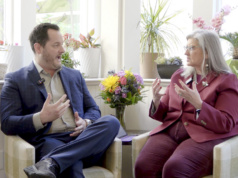
In this special conversation on Answers for Elders Radio, host Suzanne Newman welcomes Certified Senior Real Estate Planner Cory Boldhoff, founder of The Complete Real Estate Group and Complete Senior Solutions, to explain why every adult—not just retirees or affluent families—needs an estate plan. Their conversation goes far beyond wills and trusts. Together, they discuss how thoughtful planning protects your family during life, after death, and throughout the many transitions that come with aging.
Estate Planning Isn’t Just About Money—It’s About Protecting Your Family
One of the biggest myths surrounding estate planning is that it’s only necessary if you have a large estate. Cory strongly disagrees. Whether you own a home, have retirement savings, or simply want to make healthcare decisions for yourself, having the proper legal documents in place gives you—not the government—the ability to determine what happens if you become incapacitated or pass away.
Without an estate plan, your family may be forced into lengthy probate proceedings, conservatorship, legal disputes, and expensive court costs. Even families with modest assets can lose significant portions of their estate simply because proper planning wasn’t completed in advance.
The message throughout both episodes is simple: Estate planning isn’t about preparing for death—it’s about protecting the people you love while you’re alive and after you’re gone.
Understanding the Difference Between a Will and a Trust
Many people believe having a will is enough. According to Cory, that’s one of the most common misconceptions he encounters. A will provides instructions that are typically carried out through probate court after someone dies. Because probate is a public legal process, it can take months—or even years—to settle an estate while generating legal fees and creating additional stress for surviving family members.
A living trust, on the other hand, allows assets to transfer privately according to your wishes while helping families avoid probate in many situations. Throughout the discussion, Cory explains that trusts also provide flexibility by allowing individuals to:
- Protect family assets
- Specify how inheritances should be distributed
- Preserve privacy
- Minimize unnecessary legal complications
- Help create generational wealth
- He also explains the differences between revocable and irrevocable trusts, emphasizing that every family’s situation is unique and should be discussed with a qualified estate planning attorney.
Why Powers of Attorney and Healthcare Directives Matter
The conversation shifts from financial planning to something equally important: protecting your wishes if you’re unable to speak for yourself. Many people assume a spouse or adult child automatically has the authority to make medical or financial decisions. In reality, that often isn’t the case. Cory explains why documents like a Durable Power of Attorney, Healthcare Directive, Living Will, and Advance Directive are essential components of a complete estate plan. These documents allow you to choose who will:
- Pay your bills
- Manage financial accounts
- Access medical information
- Make healthcare decisions
- Carry out your wishes if you become incapacitated
Rather than leaving loved ones guessing, these documents provide clear guidance during some of life’s most emotional moments.
The Reality of Caregiving Decisions
One of the most moving moments of the series comes when Suzanne reflects on caring for her own mother. As her mother’s Power of Attorney, Suzanne faced heartbreaking decisions regarding medical treatment near the end of her mother’s life. She explains that these choices were incredibly difficult—but having previously discussed her mother’s wishes gave her confidence that she was honoring what her mother wanted rather than making decisions based on her own emotions.
Her experience highlights an important lesson for every family: Don’t wait until a medical crisis occurs to begin these conversations. Talking openly today can spare loved ones from uncertainty tomorrow.
Avoiding Family Conflict Before It Starts
One of the recurring themes throughout both episodes is that estate planning isn’t simply about documents—it’s about communication. Many family disagreements don’t begin because people are greedy. They begin because no one knows what Mom or Dad actually wanted.
- Who receives treasured family heirlooms?
- Who becomes successor trustee?
- Who makes healthcare decisions?
- Who manages finances?
Without clear instructions, even close families can experience conflict. Cory encourages families to review their estate plans regularly and communicate openly with the people they’ve chosen to carry out those responsibilities. Having difficult conversations now can prevent painful disagreements later.
Estate Planning Includes More Than Legal Documents
Because Cory is both a Certified Senior Real Estate Planner and founder of Complete Senior Solutions, he also discusses the practical side of aging and life transitions. Many families eventually face questions like:
- When is it time to downsize?
- How do we prepare a longtime family home for sale?
- What do we do with decades of belongings?
- How do we organize an estate sale?
- Who can help coordinate a move into senior living?
These transitions often involve far more than selling a house. They involve memories, emotions, family relationships, logistics, and significant life changes. Cory explains that successful senior transitions require a team of trusted professionals—including real estate specialists, organizers, estate sale experts, senior living advisors, attorneys, and financial professionals—who understand the unique needs of older adults and their families.
His message is reassuring: You don’t have to navigate these challenges alone.
Reviewing Your Estate Plan Is Just as Important as Creating One
Another valuable takeaway from the discussion is that estate planning isn’t a “one-and-done” task. Families change. Marriages happen. Children grow up. Grandchildren are born. People move. Financial situations evolve. Healthcare needs change.
Experts generally recommend reviewing estate planning documents every few years—or whenever a significant life event occurs—to ensure they still reflect your wishes. An outdated estate plan can be almost as problematic as having no plan at all.
Five Estate Planning Steps You Can Take Today
If these conversations have inspired you to begin planning, here are five practical steps discussed throughout the series:
Review your current estate plan. If your documents are several years old, schedule a review with an experienced estate planning attorney.
Create essential legal documents. Make sure you have appropriate powers of attorney, healthcare directives, and other planning documents that reflect your wishes.
Talk with your family. Discuss your decisions openly so loved ones understand your preferences before a crisis occurs.
Organize important information. Keep financial records, passwords, insurance information, and important legal documents in a secure location where trusted individuals can access them when needed.
Build a team of trusted professionals. Estate planning often involves attorneys, financial advisors, healthcare providers, senior transition specialists, and real estate professionals working together.
The Bottom Line: Planning Is One of the Greatest Gifts You Can Leave Your Family
Estate planning isn’t about expecting the worst. It’s about preparing for life’s uncertainties with wisdom, compassion, and intention. As Suzanne Newman and Cory Boldhoff explain throughout this two-part series, thoughtful planning allows you to protect your independence, preserve your legacy, reduce stress for your loved ones, and ensure your wishes are honored.
Whether you’re beginning your own estate planning journey or helping aging parents prepare for the future, taking action today can provide peace of mind for everyone involved. Sometimes the greatest gift we leave our families isn’t an inheritance—it’s a clear plan that allows them to focus on supporting one another rather than navigating unnecessary legal and emotional challenges.
Frequently Asked Questions
Is estate planning only for wealthy families?
No. Estate planning benefits anyone who owns assets, has loved ones, or wants to make healthcare and financial decisions in advance. Even people with modest estates can avoid unnecessary legal complications by planning ahead.
What’s the difference between a will and a trust?
A will generally goes through probate after death, while a living trust can often help assets transfer privately and more efficiently according to your wishes.
What is a Durable Power of Attorney?
A Durable Power of Attorney authorizes someone you trust to manage financial or legal matters if you’re unable to do so yourself.
Why are healthcare directives important?
Healthcare directives and living wills communicate your medical preferences so your loved ones and healthcare providers understand your wishes if you cannot speak for yourself.
How often should I review my estate plan?
Most professionals recommend reviewing your estate planning documents every three to five years, or after significant life events such as marriage, divorce, the birth of grandchildren, retirement, or major changes in financial circumstances.
Watch on YouTube
Listen on Apple Podcasts